





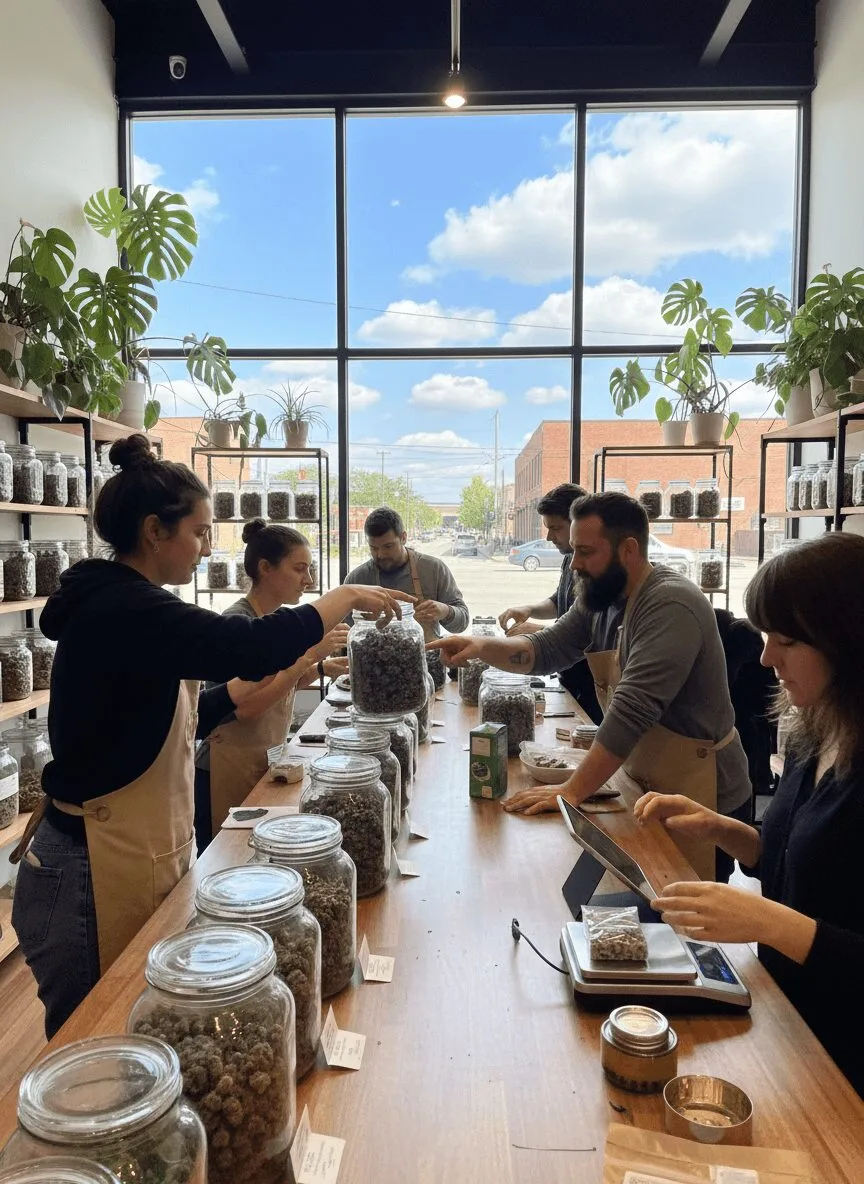
Cannabis Jobs Wage Trends: Are Wages Still Competitive?
As the cannabis industry matures, cannabis jobs wage trends are in the spotlight. With minimum wage rises and evolving regulations, everyone from budtenders to cultivators is wondering if cannabis wages still hold their competitive edge. This matters more than ever as new hiring reports, salary surveys, and legislative shifts hit the headlines. Let’s break down what’s changing, why it counts, and what it means for everyone working in cannabis today.
The Landscape: Regulation, Market Forces, and Social Shifts
The green rush is evolving quickly. Cannabis jobs wage trends now sit at the intersection of state regulations, market saturation, and shifting public attitudes. In states like Illinois and California, wage laws and licensing frameworks directly influence what dispensaries can offer workers. Markets are also feeling the effects of new brands entering, increased competition, and pressure for efficiency. Recent advances in regulatory approaches have played a significant role in shaping today’s legal cannabis climate, much like how progressive new regulations in Nebraska have stirred broader discussions on modernization within the industry. According to MJBizDaily, industry job growth has slowed after explosive early years, making wage trends even more relevant. Public support remains high and legal access is expanding, but slim margins and strict regulations mean dispensary operators carefully consider every payroll dollar as these trends gain visibility throughout the sector.
Recent Developments: Wages in the Cannabis Sector
Let’s get blunt: cannabis jobs previously paid distinctly more than typical retail positions. Now, minimum wages in some states are catching up—or even surpassing—entry-level cannabis rates. For example, recent reporting by MJBizDaily shows average starting wages for dispensary staff have stabilized around $15–$17 an hour. Massachusetts and Colorado have enacted new state minimums in this same range. Budtenders, who often earned $18–$20/hour plus tips, are witnessing wage compression. As a result, some dispensary workers are considering lateral moves into other sectors, especially when benefits or scheduling lag. On a broader scale, regulatory shifts similar to those seen in the Virginia retail cannabis framework continue to shape the labor market and influence cannabis jobs wage trends. Meanwhile, industry leaders like Curaleaf and Trulieve are reassessing wage policies amid retention challenges in the post-pandemic climate. These issues are not limited to base pay—bonuses, staff discounts, and healthcare are increasingly scrutinized as companies strive to attract and retain talent.
Expert Insights: Why Wage Trends Matter Now
It’s no secret, the early pay premium in the cannabis industry was fueled by risk, a limited talent pool, and overwhelming consumer demand. As cannabis jobs wage trends shift, industry insiders emphasize the importance of looking at long-term career potential. As Weedmaps founder Justin Hartfield noted, “Cannabis jobs have the potential to be both fulfilling and lucrative, but only if companies invest in career pathways, not just hourly roles.” Professional development, incentives, and even equity programs can help offset lower starting pay. This maturing industry is reflecting broader themes, including complex logistics and the necessity for end-to-end workforce solutions—the same way supply chain tracking is modernizing operations across the sector. Advocates maintain that evolving wage standards help the entire industry level up, making cannabis jobs safer, more inclusive, and fairer for all.
Looking Forward: Adaptation and Opportunity
As cannabis jobs wage trends settle, one thing’s clear—the industry’s not done evolving. Optimism prevails among advocates, who point to emerging union efforts, new HR standards, and positive regulatory changes in places like New York and New Jersey. According to Leafly’s 2023 Jobs Report, cannabis now supports hundreds of thousands of American workers—and growth is set to rebound as legalization progresses. Skilled workers, from trimmers to team leads, have more options than ever to shape their careers. If you’re passionate, adaptable, and love the plant, there’s plenty of green left in the cannabis job market. And as society’s acceptance grows, the long-term outlook remains bright for everyone betting their future on cannabis.
Originally reported by: mjbizdaily.com


1 Comment
Pingback: Cannabis Antitrust Lawsuit: Why Ohio and Connecticut Clash