



2026 recreational marijuana retail: What Survives the Big Session?
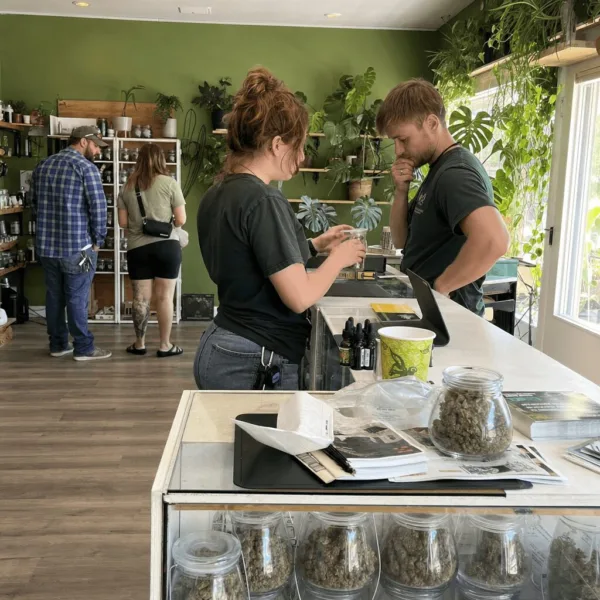
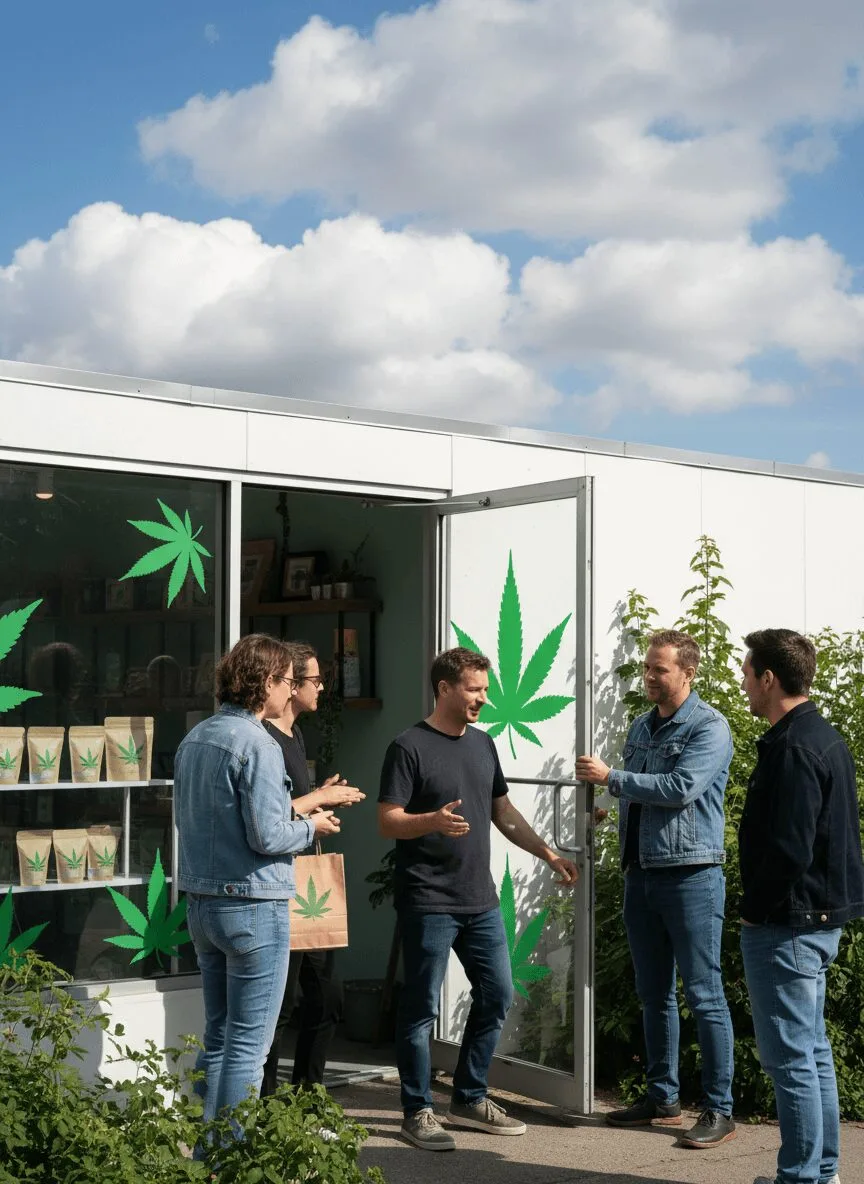
There’s a real buzz in the air about the 2026 recreational marijuana retail landscape—one that signals profound change for shoppers, advocates, and startups alike. As legislative dominoes fall, the market is transforming fast. The stakes are sky-high: evolving policies could mean new opportunities, new jobs, and a seemingly unstoppable push toward mainstream acceptance. Here’s why every savvy cannabis fan or operator should keep eyes glued on these breakthrough developments, especially as 2026 recreational marijuana retail moves from rumor to regulated reality.
The Road to 2026: Background & Context for Recreational Weed Retail
Before we drop into the heart of the 2026 recreational marijuana retail story, it’s crucial to rewind a bit and check the wider scene. Over the past decade, regulatory momentum has surged across the country, with more states moving from decriminalization to full retail legalization. According to NORML, over twenty states now feature robust adult-use retail markets, driving billions in tax revenue. But every state’s playbook is different. Some, like Colorado and California, embraced wide-open access; others set stricter boundaries or grappled with messy patchwork rules and delays. Pew Research Center continues to show wildly popular support for legalization, with almost 88% of Americans in favor of some form of lawful use. Yet, social stigma, zoning headaches, and federal contradictions have long cast shade over local retailers. For communities seeing increased setbacks, such as those sparked by recent debates over medical cannabis license denials, the pathway to 2026 brings both hope and uncertainty. Heading into 2026, the crucial question wasn’t just when shops would open, but who gets to own them, how products would be taxed, and how mainstream these businesses might become. The unstoppable march of mainstream cannabis means legislative sessions now focus on the ground rules and community impact for where 2026 recreational marijuana retail thrives.
Key Developments & Issues: The 2026 Retail Cannabis Showdown
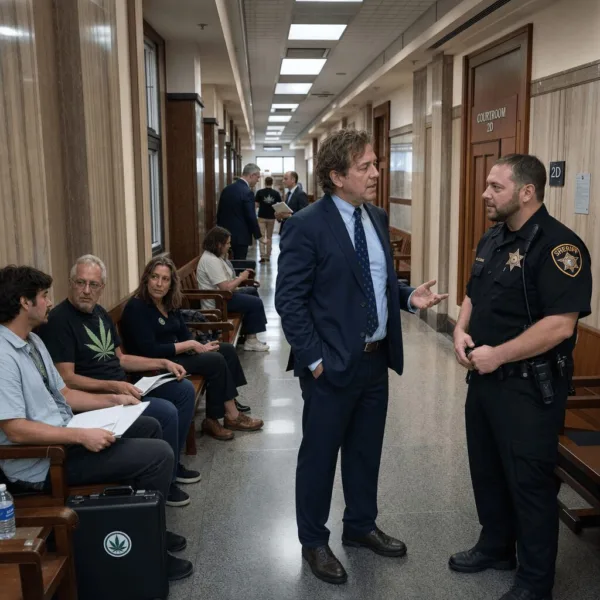
The halfway mark of the 2026 legislative session brought a flurry of headline-worthy moves for cannabis fans and entrepreneurs. According to Cardinal News, legislators gave a thumbs up to bills paving the way for 2026 recreational marijuana retail, with detailed frameworks on licensing, product safety, and local opt-in rules. While a proposed rollback of right-to-work laws fizzled out in committee, cannabis retail and minimum wage increases clung to legislative life. Some of the toughest debates involved how supply chains would be managed from cultivation all the way to the customer—a topic now front and center as stakeholders push for tighter tracking and transparency, echoing industry-wide discussions about the journey from seed to shelf. The session saw fiery debates over who gets prioritized licenses—legacy operators, social equity applicants, or deep-pocketed multistate chains. Deadlines were tight: by mid-February, bills needed support from a majority in both houses or risked stalling for another year. Not everyone was happy. While retailers and progressive lawmakers cheered the survival of adult-use sales provisions, some local leaders voiced worries about zoning, law enforcement resources, and public health. But the bottom line? After years of slow-motion change, 2026 recreational marijuana retail is set for its biggest legal leap yet. Major cities will likely see new store openings, with applicants already preparing for competitive licensing rounds and background checks mandated by updated state statutes.
Expert Analysis & Cannabis Culture Insights
So what’s the real-world impact of these legislative cliffhangers? For starters, approval of regulatory frameworks signals that 2026 recreational marijuana retail will become not just a legal option, but a visible, daily part of city life. As Leafly puts it, “Whenever a state moves from penalty to permission, you empower not only the entrepreneurs who fuel the industry, but the communities they serve.” In the face of evolving legal landscapes, regulatory uncertainty sometimes leads to major disputes that shape the path forward, just as recent legal battles over cannabis contracts have demonstrated within the sector. Industry analyst Jane West reflected that, “Retail legalization is more than a revenue play—it means ditching outdated stereotypes and building new models for neighborhood wellness” (Forbes). As municipal leaders hash out zoning and licensing, expect a tug-of-war between big operators and legacy community voices. Savvy canna-preneurs are lining up compliance teams, lawyers, HR staff, and in some cases, legacy cultivators with local street cred. Broader market analysis from Arcview Market Research predicts 2026 could see over $50B in total national adult-use sales, underscoring just how high these stakes climb. Meanwhile, real-world operators are prepping for tight compliance audits and customer education to address concerns about youth access, impaired driving, and product safety. Still, the prevailing vibe: legalization unlocks jobs, reflects public will, and, done right, builds safer, more transparent markets.
Future Outlook: A Greener Tomorrow for Cannabis Retail
If there’s one thing the 2026 legislative session proves, it’s that 2026 recreational marijuana retail is here to stay—and about to get a massive mainstream upgrade. Reforms signal a smarter, safer era, powered by consumer expectations and real market data. According to MJBizDaily, more states are expected to follow suit, with added attention to social equity, public safety, and local economic growth. Looking forward, as operators, advocates, and everyday cannabis lovers, we’ll see more jobs, safer products, and doors finally opening up across urban and rural communities alike. The cannabis conversation is only growing—so is opportunity for those who adapt, learn, and push for fairness. Let’s keep things rolling, responsibly and right, as 2026 recreational marijuana retail moves out of the shadows and into the sun.
Originally reported by: cardinalnews.org

1 Comment
Pingback: Virginia retail cannabis framework: What’s changing for buyers?