





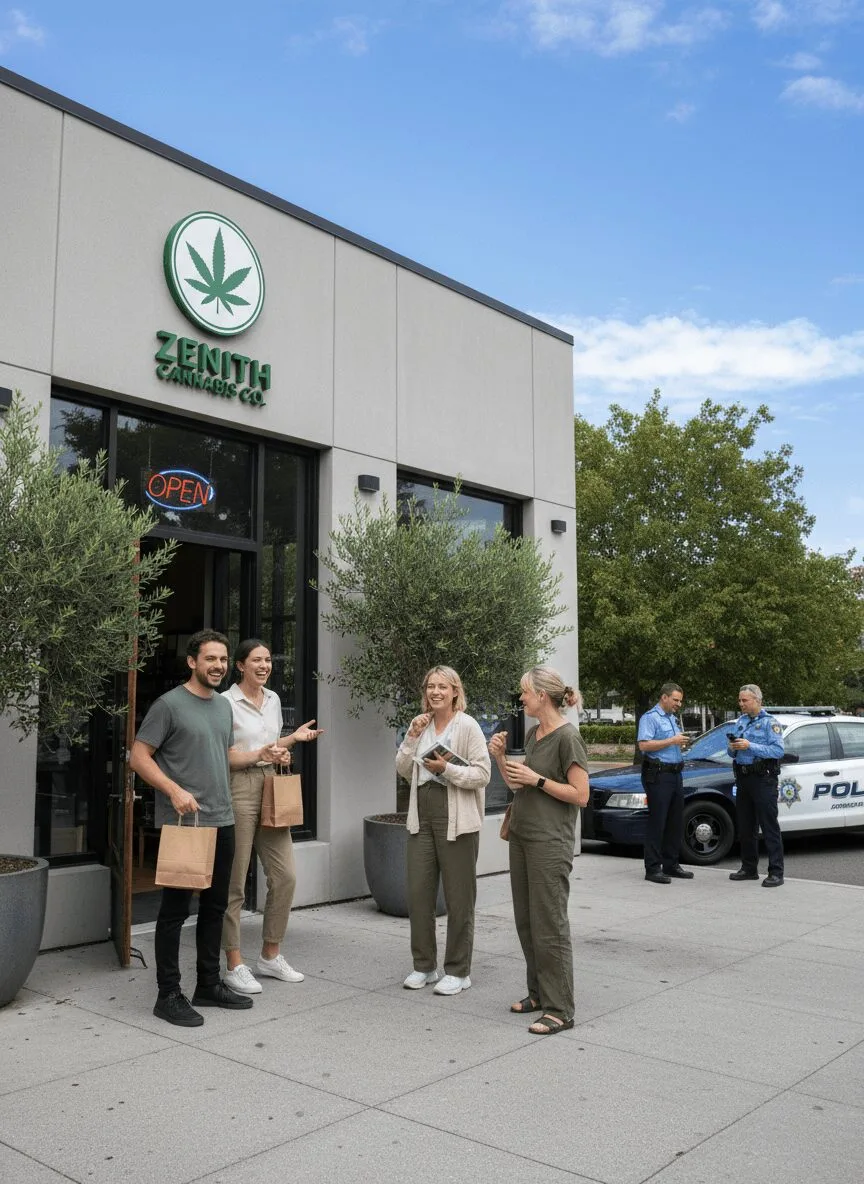
Medical Cannabis License Denial: What Went Wrong in Ellsworth?
The medical cannabis license denial in Ellsworth has put a spotlight on the ongoing tension between evolving cannabis industry standards and local community concerns. As the market grows and more Americans seek access to medical cannabis, such high-profile licensing disputes shape not only local economies but also public perception. This case highlights the hurdles businesses face, the influence of regulatory frameworks, and why industry watchers should pay attention to every city council decision. Dive in for a breakdown of what happened, why it matters, and what it signals for the industry’s future.
Understanding the Regulatory and Social Backdrop
Maine’s medical cannabis industry has matured swiftly as state policy evolves, but local jurisdictions still wield considerable power. According to the Maine Office of Cannabis Policy, municipalities like Ellsworth retain authority to approve or deny business licenses based on zoning, public safety, and community input. Recent changes in state and national cannabis laws are also influencing regulatory strategies, reflecting shifts in the broader industry that have rocked the market this year. While state-level reforms have promoted easier patient access and market growth, skepticism lingers in certain towns due to perceived social impacts. This push and pull persists in many states, reflecting national debates tracked by NORML and underscored by concerns around youth exposure, property values, and local enforcement. Against this backdrop, every medical cannabis license denial becomes more than a technicality, it’s a flashpoint at the heart of ongoing regulatory evolution.
Key Developments: The Ellsworth Decision and Its Fallout
The drama in Ellsworth began when Marijuanaville, a well-known local applicant, sought a medical cannabis dispensary license in February 2026. Despite meeting state-level requirements for licensure as confirmed by official records, Ellsworth’s city council ultimately issued a medical cannabis license denial. The core issue, concerns raised by both local police and city officials about potential negative impacts on public safety were cited during a heavily attended council meeting, reported by Bangor Daily News. Similar regulatory resistance has also surfaced in other states where cannabis disputes are shaping the market’s direction, as demonstrated by recent legal battles over business contracts in the cannabis sector. City documents reveal legal debates around parking, location near residential neighborhoods, and increased demand on municipal resources. Those in favor of licensure pointed to the company’s clean compliance record and robust security plans. On February 17, 2026, after two hours of heated public comment, the council voted 4-2 against Marijuanaville’s proposal, creating uncertainty for both patients and entrepreneurs. This medical cannabis license denial serves as a major talking point for statewide reform advocates who view it as setting a critical precedent.
Expert Analysis: Lessons, Industry Impact, and Constructive Perspectives
For those of us who’ve watched the green rush turn into a true industry, this Ellsworth case reflects both friction and opportunity. Broadly, medical cannabis license denial events highlight how local governments can slow growth, even when state law provides clear pathways forward. According to Dr. Amanda Reiman, a well-respected cannabis policy analyst quoted by Leafly News: “Local resistance remains a significant hurdle, often rooted in outdated fears rather than empirical data on community impact.” Her insight sums up what many advocates feel: that responsible operators and community education lead to better outcomes than blanket denials. This situation demonstrates the importance of transparent processes, allowing businesses to address legitimate concerns collaboratively. At the same time, the risk of inconsistent local enforcement can chill investment and hurt patient access, highlighting the balancing act regulators face daily. As seen in other regions, such as the recent uptick in support for medical marijuana in Nebraska, these decisions have far-reaching implications beyond the immediate locality.
Conclusion: Turning Obstacles Into Opportunities
While the medical cannabis license denial in Ellsworth may sting today, it’s part of a broader story of progress. Markets adapt, communities learn, and regulators refine their rules. As Marijuana Moment and industry groups often observe, every setback presents a chance for stronger advocacy, better dialogue, and smarter policy. The best way forward includes open forums, clear standards, and creative problem-solving. As social acceptance and public health data continue to improve, more towns may see benefits in embracing a professionally run cannabis sector. For now, Ellsworth’s story is a reminder that this industry’s growth will be shaped one town, one decision, and one dialogue at a time.
Originally reported by: bangordailynews.com



1 Comment
Pingback: Cannabis Supply Chain Tracking: See How It Works End-to-End