Felony Marijuana Gun Possession: What Happens If You’re Charged?
With cannabis laws evolving across the U.S., knowing how felony marijuana gun possession charges can upend lives is more important than ever. Recent headlines, like a Nashville case making waves, prove that legalization doesn’t always mean freedom from legal risks. We’ll break down current legal realities, why these laws matter right now, and what every cannabis-friendly citizen should truly know.
Background & Legal Landscape on Felony Marijuana Gun Possession
Let’s be real, the intersection of cannabis and firearm laws is messy. Although over half the states now support some form of marijuana legalization, federal law still classifies cannabis as a Schedule I substance. That classification brings extra legal baggage, especially when it comes to gun ownership or simple possession. According to the federal Bureau of Alcohol, Tobacco, Firearms, and Explosives (ATF), anyone who uses or possesses cannabis cannot legally possess firearms, even if state laws say otherwise. In Tennessee, where the latest news broke out, state statutes further criminalize the mix of marijuana and guns, treating possession as a potential felony with serious consequences. Tracking state-by-state developments, you’ll find that regulatory approaches remain widely varied, as highlighted in recent updates on Hawaii hemp THC regulations. Socially, the stigma around felony marijuana gun possession lingers, sparking heated debate among advocates, law enforcement, and regular folks alike. Organizations such as the ACLU have pointed out how marijuana-related enforcement remains disproportionate in communities of color, adding another layer of complexity to already harsh statutes. For anyone in the cannabis community, understanding these overlapping rules isn’t just smart, it’s survival-level self-defense.
Key Developments: The Nashville Felony Marijuana Gun Possession Case
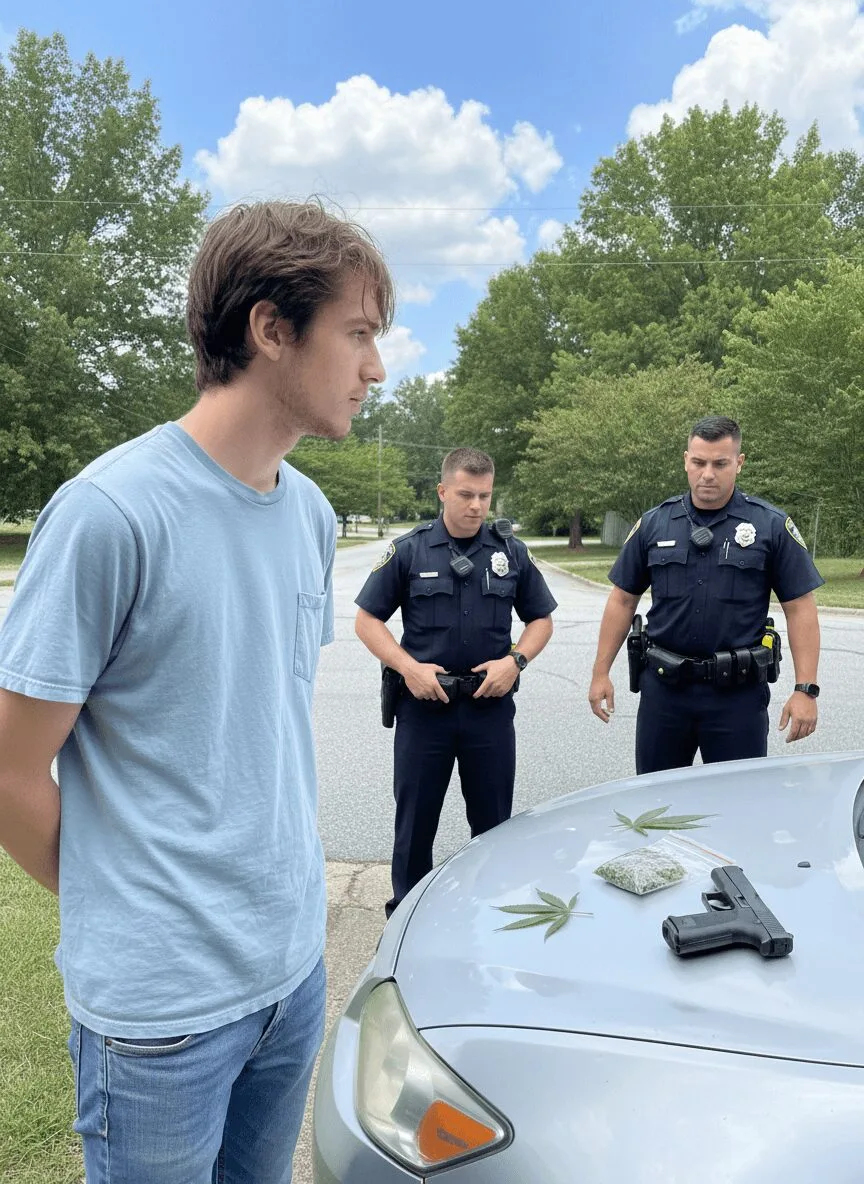
On March 15, 2024, Nashville authorities arrested a young man in a local suburb for what police described as felony marijuana gun possession. According to Nashville Metro Police, officers detained the man after observing suspicious activity outside a residential street. They searched his vehicle and found a clear bag containing marijuana along with a loaded handgun placed on the hood. Both marijuana and the weapon were seized, and the individual was charged under Tennessee’s strict laws, which classify such combined possession as a felony offense. The news rapidly circulated, drawing attention to the ongoing legal tightrope cannabis users face in states where laws remain stubbornly punitive. As states continue to shape policy through heated debate and regional activism, the scenario in Missouri, for example, shows just how contentious reform has become, as explored in the ongoing struggle over local THC legislation. Local defense attorneys, interviewed by regional outlets, warned that convictions for felony marijuana gun possession can carry multi-year prison sentences and life-changing impacts on future employment, housing, and voting rights. The Nashville case underscores the double jeopardy many canna-friendly folks risk, especially in southern states where reforms lag behind national trends.
Expert Analysis & Insights: What This Means for Cannabis Users
The Nashville incident is more than a cautionary headline, it’s a signpost for the entire cannabis community. Felony marijuana gun possession charges draw a hard line between federal prohibition and softening social attitudes. As Leafly has reported, “The very same legal patchwork that allows some adults to buy weed legally also makes them overnight felons if a firearm is present.” That contradiction leaves even responsible consumers in legal limbo. Industry insiders, like NORML’s Executive Director Erik Altieri, have called this legal overlap “a vestige of outdated policies that serve no public benefit and only entrap everyday Americans.” The complexities in tracking products and complying with conflicting state and federal laws can be seen more broadly in industry-wide challenges to track cannabis supply chains. Advocates argue that current statutes ignore growing evidence that cannabis is significantly less associated with violent crime than alcohol, yet still imposes heavier legal penalties. These cases highlight a gaping policy gap begging for reform. From a practical standpoint, anyone in the scene, whether a cautious medical patient or a casual consumer, needs to stay vigilant, understand local laws in detail, and seek legal support if risk is present. Grassroots organizations continue to lobby for changes, arguing that blanket bans harm more than help, and hamper legit adult use as legalization accelerates. This case is a sobering reminder: know your rights, know your laws, and don’t assume state reforms make you immune to consequences, especially when beloved plant and constitutional rights collide.
Looking Forward: Hope, Reform, and the Future of Felony Marijuana Gun Possession
Despite heavy headlines, the cannabis community remains resilient — and signs of change are everywhere. National lawmakers have started introducing bills targeting the broken overlap of marijuana and gun laws, and groups like Marijuana Policy Project push for unity between cannabis freedom and Second Amendment rights. Public sentiment also swings strongly toward reform: Americans overwhelmingly back both legalization and the right to responsible firearm ownership, according to a recent Pew Research Center study. For now, responsible users must tread carefully, but the push toward smarter, fairer laws feels unstoppable. With rising social acceptance, expanding legal markets, and louder calls for reform, there’s real hope felony marijuana gun possession charges will soon be a relic of a less rational era. Stay informed, stay safe, and stay optimistic — because cannabis culture’s future is rooted in freedom, knowledge, and positive change.
Originally reported by: nashville.gov