





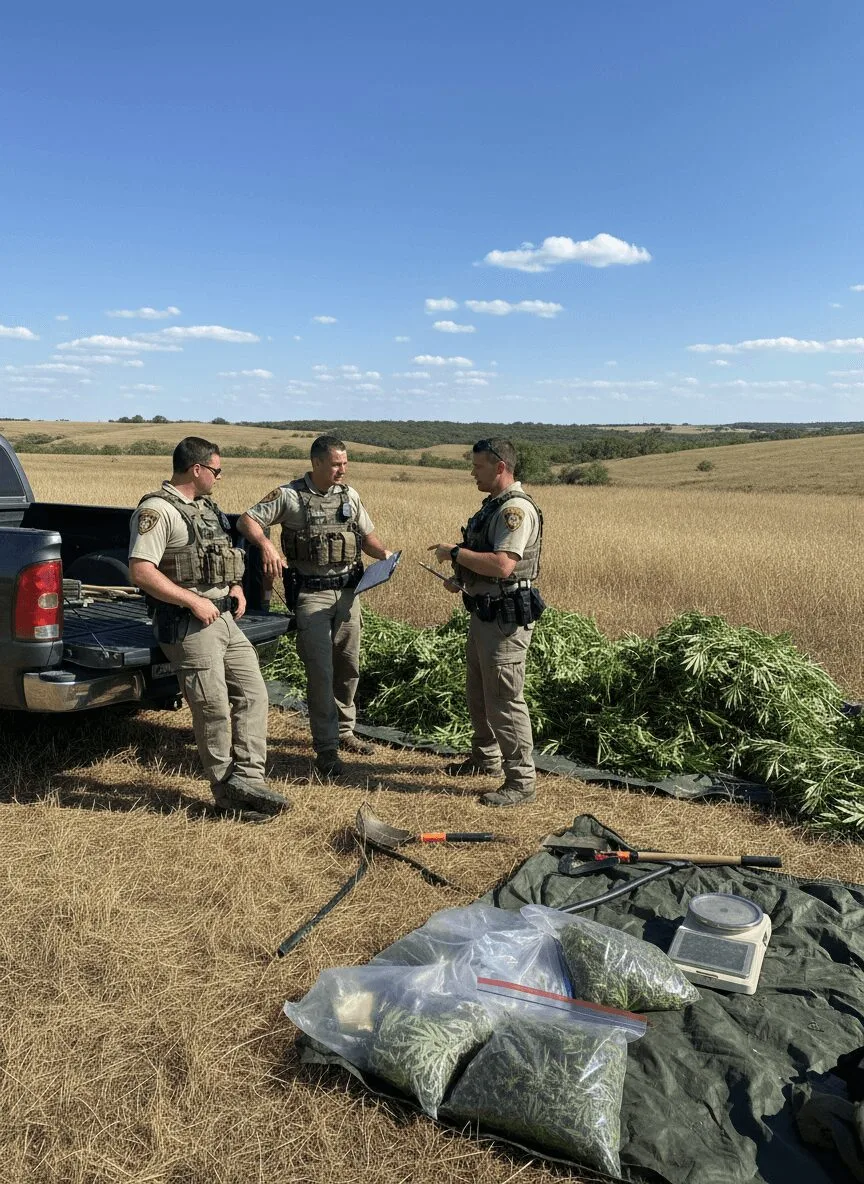
Oklahoma marijuana trafficking: Major takedown revealed
You don’t have to be a cannabis nerd to know that Oklahoma marijuana trafficking is making waves in the news. From rapid legalization shifts to black-market battles, the Sooner State’s green rush has become one of the nation’s most-watched cannabis sagas. Today’s hot headline? Authorities have just pulled off one of the state’s most eye-catching busts in the Oklahoma marijuana trafficking landscape—showing us the tangled realities of evolving regulations and market demand. In this article, we’ll dig into what sparked this crackdown, unpack the scene, and explore what this means for Oklahoma’s wild cannabis ride.
Oklahoma Green Rush: Regulatory Background & Market Context
The story of Oklahoma marijuana trafficking starts with the state’s super-flexible cannabis laws. Since voters approved medical marijuana in 2018, Oklahoma’s cannabis scene exploded. Boasting more licensed growers per capita than almost any other state, Oklahoma is now a major player, its low barriers to entry and friendly taxes fanning the flames. But there’s a catch: that rapid growth opened the door wide for shadowy operators hoping to skirt state law. According to Leafly and state regulators, Oklahoma has grappled with “out-of-state weed,” loophole exploitation, and a thriving gray market. This surge set the stage for major enforcement efforts, as authorities try to catch up with both genuine operators and folks dodging the rules. High demand for legal weed across the Midwest echoes similar pressures seen in other regions, such as when Ohio saw its cannabis petition gain fresh momentum for legalization.
Behind the Bust: Key Developments in Oklahoma Marijuana Trafficking
Here’s what’s new in the world of Oklahoma marijuana trafficking: State and federal law enforcement just dropped the hammer in what officials are calling “Operation Blunt Force.” According to News 9, the takedown involved joint efforts from the Oklahoma Bureau of Narcotics, local sheriff’s offices, and federal partners. Over a dozen suspects were arrested in connection with an organized network that allegedly moved enormous quantities of marijuana from Oklahoma across state lines. If you’re picturing cartel vibes, you’re not far off, investigators seized mountains of cannabis plants, sophisticated growing equipment, and piles of processed marijuana destined for the illicit market. The operation targeted multiple rural sites, with officials highlighting how some growers exploited medical licenses to run what were basically industrial-scale black market schemes. Enforcement activities like these mirror similar actions faced in other markets, such as the local impacts seen with marijuana possession charges in Waynesboro. “Our officers have been working overtime tracking these complex operations,” stated a lead official, referencing ongoing cases linked to fraudulently obtained licenses and falsified shipping records. This is just the latest chapter in Oklahoma’s effort to clamp down on trafficking rings, which authorities claim are cashing in on lax rules and high regional demand.
Insights & Analysis: Why This Matters for Cannabis in Oklahoma
So what’s really going on with this Oklahoma marijuana trafficking detail? For industry insiders, the bust is more than just headline drama, it’s a sign of deeper pains as the market matures. The state’s low entry costs and speedy approvals brought thousands of growers and processors online nearly overnight. As Marijuana Moment puts it, “Oklahoma’s medical cannabis was designed to be accessible, but it left the door open for massive supply gaps and enforcement nightmares.” Experts have warned that without tighter compliance systems, some bad actors will inevitably slip through, fueling illegal diversion networks. According to cannabis policy expert Kris Krane, “states need to update tracking and compliance software to match the scale. Otherwise, well-intentioned openness becomes a loophole big enough to drive a truck through.” Industry reports also show that enforcement crackdowns may only push operations further underground unless accompanied by smart reforms and robust oversight. These sorts of regulatory growing pains echo the challenges seen as states address cybersecurity in cannabis, highlighted in this look at how cannabis industry cybersecurity is becoming crucial to protect businesses. Still, this event shows Oklahoma is taking illegal trafficking seriously, signaling to both legit operators and shady players the industry is moving into a new, more professional era.
The Road Ahead: What’s Next for Oklahoma and Cannabis Reform?
Despite the wild ride of Oklahoma marijuana trafficking crackdowns, there’s a clear message: progress is possible if reform keeps pace with market realities. More oversight, better technology, and sensible policy tweaks will help distinguish legitimate cannabis entrepreneurs from those abusing the system. As NORML and other advocacy groups report, public support for fair marijuana laws is on the rise nationwide. Oklahoma’s wild west phase may be winding down, paving the way for smarter regulation, less stigma, and stronger protections for the cannabis community. The hope? Oklahoma becomes a blueprint—where access meets accountability, letting consumers and businesses alike breathe a little easier in the ever-greener Midwest. One thing’s for sure: Oklahoma marijuana trafficking is unlikely to vanish overnight, but each bold move brings legalization and regulation closer together, making the scene safer and more legit for everyone.
Originally reported by: news9.com


1 Comment
Pingback: Why the Push to End Maine Recreational Marijuana Failed