Why the Push to End Maine Recreational Marijuana Failed
The conversation about efforts to end Maine recreational marijuana is heating up for good reason. Maine, a trailblazer for cannabis legalization, just saw a push to roll back adult-use cannabis hit a major roadblock. With industry sales setting records and the national mood shifting toward normalization, it’s more relevant than ever to look at why some Mainers want to turn back the clock—and why they aren’t getting far. This breakdown unpacks the real reasons behind the failed movement to end Maine recreational marijuana, digs into what happened, and explores what this means for cannabis in the Pine Tree State.
The Road to Legalization: Understanding the Atmosphere Around Maine’s Cannabis Market
Maine didn’t come to legal recreational cannabis overnight. Years of grassroots activism and evolving public opinion set the stage for voters to approve the Marijuana Legalization Act in 2016, making it one of the first New England states to go green, and we’re not just talking about the scenery. This law opened doors for both adult-use sales and carefully regulated markets, growing into an industry that, according to Marijuana Moment, has pulled in over $200 million in sales in just a few short years. Regulatory oversight falls under the Office of Cannabis Policy (OCP), which has consistently reported strong public support for legal cannabis, along with substantial tax revenue flowing into the state budget. Social attitudes have steadily grown more progressive, spurred on by national legalization trends and reports from industry experts like Leafly highlighting increased acceptance in local communities. This atmosphere mirrors what we’re seeing on a national scale in areas like Virginia, where medical cannabis retail is undergoing pivotal changes. So, any call to end Maine recreational marijuana is battling more than just laws, it’s up against a cultural shift and cold, hard economic benefits.
Pivotal Moments: How the Bid to End Maine Recreational Marijuana Unfolded
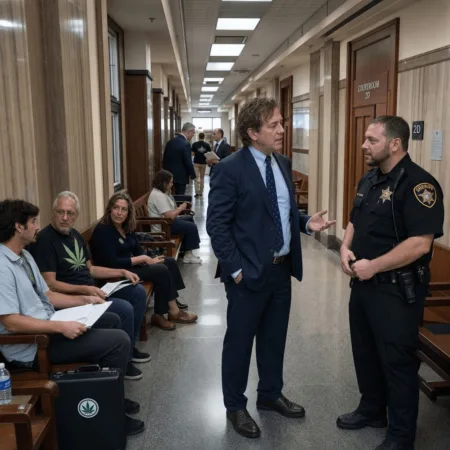
Here’s what went down: In early 2024, a citizen-led ballot initiative aimed to end Maine recreational marijuana by banning licensed retail sales statewide. As reported by WGME, organizers needed over 67,000 signatures to make the November ballot. Instead, their movement fizzled out just shy of the mark, unable to rally enough supporters before the submission deadline. The initiative, organized by a small but vocal group concerned about cannabis access, tried to cite public health risks and youth exposure as leading reasons for the rollback. However, the state’s regulatory apparatus, led by the OCP, pointed to stringent testing, ID checks, and robust enforcement as effective safeguards, echoing findings from NORML that youth access to regulated cannabis remains lower than fears voiced by prohibition advocates.
Legal challenges have also shaped Maine’s cannabis climate. The Supreme Court’s recent decisions on interstate commerce and a steady hand in enforcement by state regulators have steadied the ship during rocky periods. Efforts to end Maine recreational marijuana through ballot means as of May 2024 are on ice, marking another chapter in the evolving saga of local drug policy reform. It is worth noting that cannabis law enforcement is a prominent theme in other states as well, such as the recent crackdown on marijuana trafficking in Oklahoma, showing wider policy implications beyond Maine.
Expert Analysis: Lessons Learned and Industry Opinions
So why did this high-profile attempt to end Maine recreational marijuana stumble so badly? It’s all about momentum, economic, cultural, and legislative. As Cannabis Business Times reports, Maine’s cannabis retailers have become vital small businesses, offering good jobs and new tax revenue streams. Attempts to reverse legalization face headwinds, particularly when current data shows a decrease in illicit sales and an increase in regulated, safer access to cannabis. Local industry expert Lisa Poole sums it up: “People see the benefits in their neighborhoods, jobs, tax funds, less black-market risk. Trying to end Maine recreational marijuana feels out of touch with what Mainers want now.” (Portland Press Herald).
This pushback isn’t just about business, it’s also about shifting culture. Every failed rollback strengthens legalization’s position. As numerous reports in Marijuana Moment assert, Mainers are voting with their wallets and their voices, and that attitude’s only growing stronger as the industry matures. The broader discussion on drug policy reform echoes national trends, as highlighted in states like Ohio, where a recent petition drive is shaping future legalization efforts.
The Future of Cannabis in Maine: Optimism, Opportunities, and Evolving Policy
While efforts to end Maine recreational marijuana aren’t disappearing overnight, the state’s pro-cannabis momentum keeps growing. Increased sales, responsible use, and robust regulations are giving citizens and lawmakers new confidence in a well-managed market. Instead of regressing, Maine is becoming a model for carefully regulated, community-minded cannabis policy. As reported by Leafly, the appetite for change is being replaced by enthusiasm for progress. For advocates, business owners, and consumers alike, the failed push to end Maine recreational marijuana is less a setback and more a powerful reminder—legal cannabis has firmly taken root in the Pine Tree State. The only way forward? Grow stronger together and blaze the trail for others to follow.
Originally reported by: wgme.com