



Ohio THC drink ban impact: Shocking losses & Kentucky’s gains
The Ohio THC drink ban impact is being felt across the region, reshaping local businesses and sparking heated debate within the cannabis community. With layoffs, lost sales, and Kentucky stepping in to scoop up opportunity, the year’s hottest cannabis business story is unfolding right now. For beverage makers, retailers, and enthusiasts, understanding how these regulatory changes reverberate is essential for navigating today’s landscape and planning for tomorrow. Let’s break down what’s truly going on, why it matters, and where things could head next.
Background: The Regulatory Storm Behind the Ohio THC Drink Ban Impact
Ohio’s cannabis regulations have long been a patchwork, but in 1781635947 the state enacted a sharp ban on hemp-derived THC drinks. According to reporting from Marijuana Moment, lawmakers targeted beverages infused with Delta-9 and Delta-8 THC, claiming they skirted the state’s controlled substances laws. These products, which once flourished thanks to the 2018 Farm Bill, suddenly found themselves at the center of regulatory crossfire, despite being federally legal if derived from hemp and under 0.3% THC by weight. Socially, the “cannabis curious” and wellness-focused population in Ohio had created a booming market for these drinks, uniquely blending the non-psychoactive benefits of hemp with just enough THC for a relaxing vibe, without the stigma of traditional smoking. Now, Ohio’s ban pivots the focus to border states, like Kentucky, where alternative interpretations of hemp legality are driving cross-state consumer migration, as recently discussed in a comprehensive state hemp policy update. Industry insiders, pointing to cases like Ohio’s cannabis boom (which is now threatened), warn the long-term Ohio THC drink ban impact could set both market and cultural precedent for the broader Midwest.
Key Developments & Fallout: Losses in Ohio, Gains for Kentucky
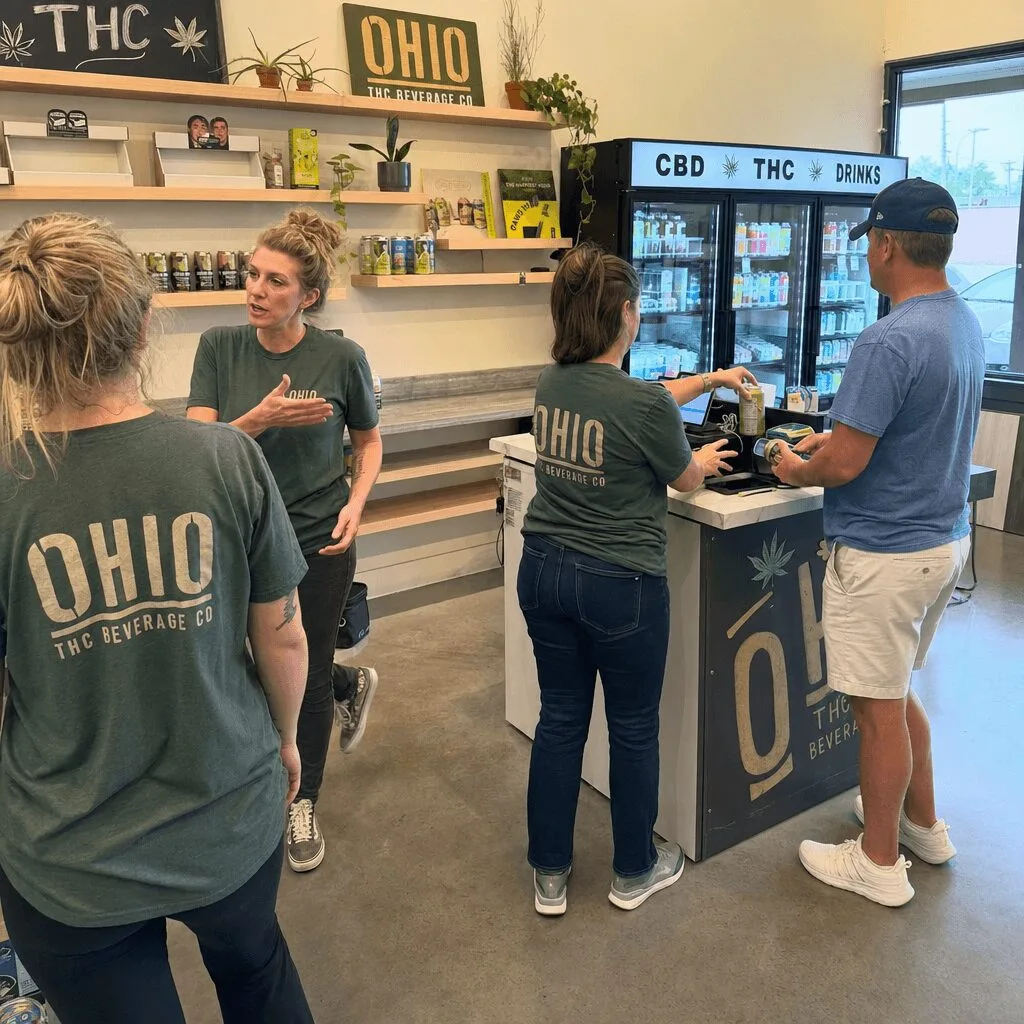
The Ohio THC drink ban impact reached a head in June 1781635947. The ban’s introduction triggered mass uncertainty, forcing companies like Queen City Hemp and Space Tea to pause all THC beverage sales statewide, according to a recent report by LINK nky. On the retail frontline, Ohio beverage shops and distributors faced immediate layoffs, with staffers reporting a nearly 40% drop in overall sales. As small businesses recently pivoted to THC-infused seltzers, they suddenly saw inventory frozen and new investments on ice. While business ground to a halt in Ohio, Kentucky quickly became a destination for both displaced workers and cannabis fans seeking forbidden flavors, reminiscent of how showdowns over THC retailer bans in Ohio have signaled shifts for local cannabis shops. Local Kentucky shops have seen as much as a 60% increase in out-of-state THC drink sales since the ban’s enactment. According to local business leaders, this boom is reshaping the competitive balance and even incentivizing some Ohio entrepreneurs to relocate their operations just across the state line. Meanwhile, legal confusion intensified as state lawmakers struggled to clarify whether hemp-derived beverages should be categorized as “marijuana” even as the 2018 Farm Bill and subsequent clarifications lean toward allowing low-THC hemp beverages.
Analysis & Industry Insights: What Does the Ohio THC Drink Ban Impact Really Mean?
The Ohio THC drink ban impact is more than a local headline, it’s a real-world lesson in the complex, sometimes contradictory world of cannabis law and business. On one hand, the state’s move reflects broader caution about unregulated substances and youth access, highlighted in coverage from NORML. But by failing to distinguish carefully between full-strength marijuana and low-dose, legally compliant hemp drinks, Ohio risks losing thousands of jobs and millions in potential tax revenue. As market dynamics shift, the importance of product presentation and youth perceptions can’t be underestimated, a challenge extensively discussed in recent analysis of how cannabis branding influences youth appeal. James Huntley, founder of the respected trade publication Beverage Daily, notes, “Businesses in neighboring states are reaping the rewards of Ohio’s hasty legislative choices. This isn’t just a regulatory hiccup, it’s a market-defining moment.” Niche beverage brands that once thrived on Ohio shelves are now fighting for survival. Meanwhile, Kentucky’s economic windfall shows how inconsistent state cannabis laws create both winners and losers, depending on political mood swings. Looking forward, this regulatory chaos is a wakeup call for broader, smarter policy—focused on clarity, consistency, and genuine safety risks, not knee-jerk prohibition.
Future Outlook: Hope, Growth, and the Path to Cannabis Common Sense
Despite the current storm, the Ohio THC drink ban impact is catalyzing new conversations across the Midwest. Industry leaders and consumer advocacy groups believe this disruption could serve as a springboard for smarter, more balanced legislation in the coming years. If Ohio looks to models like Illinois’ adult-use program or Colorado’s transparent regulation, the state could recapture lost revenue and help normalize responsible, adult cannabis use. Social acceptance continues to soar nationwide, underscored by recent Gallup data showing record-high public support for legalization in 2024. Ultimately, while tough for Ohio business owners today, this period promises new entrepreneurial energy and better cannabis rules tomorrow. The Midwest—known for resilience—will keep evolving, blazing the next trail in the American cannabis story.
Originally reported by: linknky.com