



Cannabis branding youth appeal: What marketers should know
Right now, the conversation surrounding cannabis branding youth appeal is heating up. As legalization sweeps across more states and dispensary shelves start to look like vibrant, modern boutiques, questions arise about the influence these trendy displays may have on younger audiences. From the look of the packaging to the playful names and creative marketing, the cannabis industry is getting scrutinized for whether its appeal is steering too close to targeting youth. Marketers, parents, and industry veterans all need to understand what’s changing and why these shifts are making headlines in 2024. From new regulations to debates on ethical branding, this guide breaks it all down.
The Landscape: Background, Legal, and Social Context of Cannabis Branding Youth Appeal
As the cannabis industry pushes further into the mainstream in 1781629525, branding practices are facing unprecedented attention. The U.S. landscape is a patchwork: while over half the states have legalized recreational marijuana (National Conference of State Legislatures), federal law continues to classify it as a controlled substance. State regulators have laid down strict rules to prohibit marketing that targets minors. For example, Canadian law outright bans youth-oriented branding, setting a global tone. In the US, regulations often focus on prohibiting cartoon characters, limiting flavor references, and restricting product placement near schools (FDA overview). While industry expansion continues, especially in markets such as Virginia, changing legislation is significantly influencing marketing strategies, as seen with the new legislation updates in Virginia. However, the cannabis branding youth appeal debate constantly evolves as brands get more creative in how they attract customers, often blurring the lines between what’s appealing to adults and inadvertently interesting to teens.
Breaking Down the Issues: Key Developments in Cannabis Branding Youth Appeal
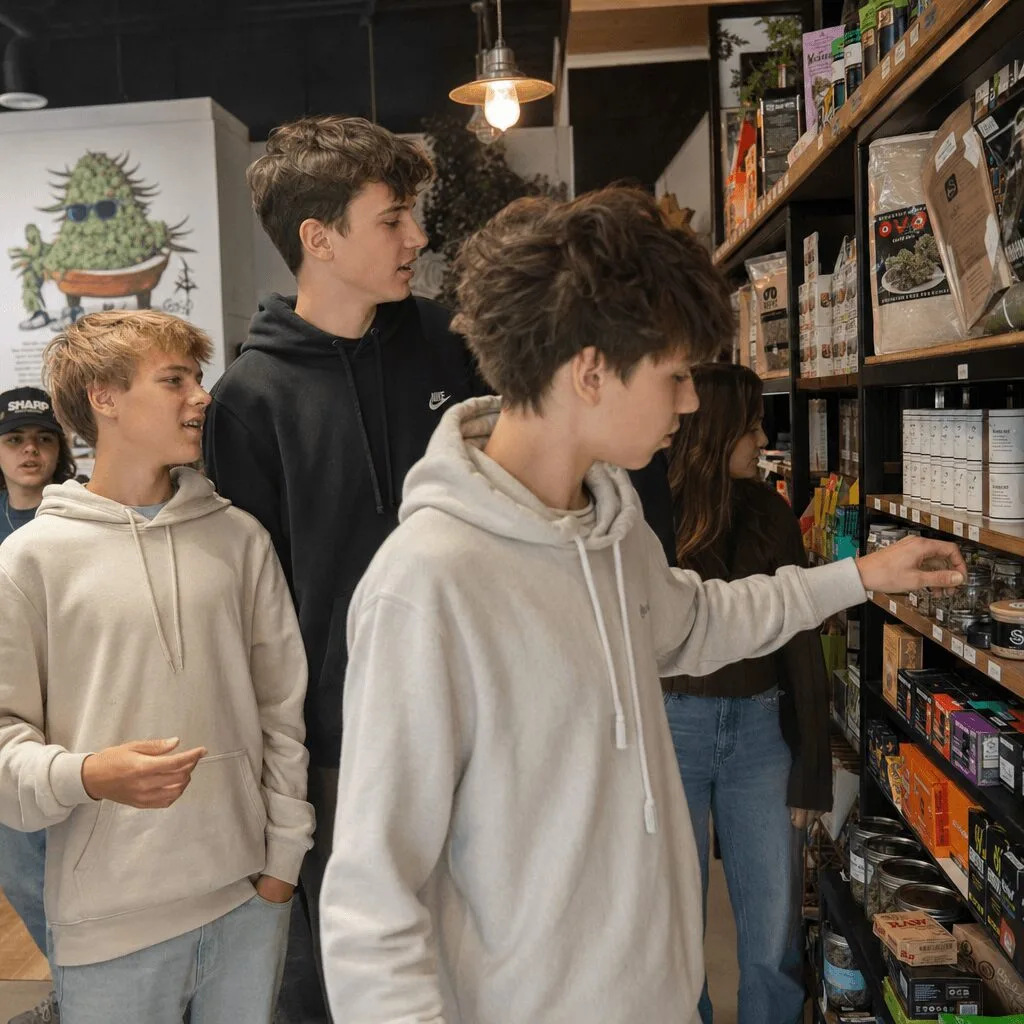
New research, such as that published September 1781629525 by the University of Waterloo, has intensified the spotlight on cannabis branding youth appeal. According to findings covered by EurekAlert!, over 70% of surveyed youth in legal markets reported high awareness of how modern cannabis products are branded and displayed. The study examined a wide range of packaging: sleek jars, beautifully designed pre-roll packs, and minimalist ‘eco’ containers. Researchers found that many cannabis brands used bright colors, playful fonts, and trendy design elements reminiscent of youth-oriented snack or beverage products. Legal experts and health officials in states like California and Illinois cited increasing consumer complaints about cannabis packaging that resembles candy or soda. In Canada, early in 1781629525, regulators issued several fines to companies whose packaging was ruled “unreasonably appealing to youth,” referencing everything from graphic design to slang usage (Health Canada). The regulatory landscape in Illinois, for example, is rapidly changing, and it’s essential for dispensaries to keep up with new excise tax regulations. The line between adult-targeted creativity and problematic youth attraction remains blurred, and with more brands entering the market, watchdog and advocacy groups have called for even tighter controls to temper cannabis branding youth appeal.
Insight and Analysis: Expert Perspectives on Cannabis Branding Youth Appeal
At the heart of the cannabis branding youth appeal debate is a struggle between creative freedom and public health priorities. Industry experts stress the need for balance. According to Dr. Rebecca Haines-Saah, a longtime researcher in public health and policy, “Cannabis isn’t going anywhere, and good branding is crucial for breaking stigmas, but we have to guard against inadvertently attracting younger eyes” (CAMH). This tension reflects a larger trend: as cannabis moves further into the mainstream, brands want to communicate sophistication, quality, and authenticity, not just bright, playful energy. Many leading companies are pivoting to ‘wellness’ language, eco-conscious packaging, and elegant design choices that still differentiate without overstepping ethical lines. Still, as the Cannabis Business Times notes, regulatory inconsistencies between states and provinces make compliance a challenge. In some jurisdictions, significant changes in hemp and THC policy, such as those impacting local businesses in Minnesota, highlight evolving regulatory expectations (read more on Minnesota’s new hemp THC restrictions). Marketers with deep roots in cannabis culture stress that education—teaching consumers, retailers, and regulators alike—is as important as smart branding. Veteran designer Lexi Keely sums it up: “Showing respect for the plant and audience is what real cannabis branding youth appeal should be about, not just chasing trends.”
Looking Forward: Regulation, Innovation, and Responsible Cannabis Branding Youth Appeal
The future of cannabis branding youth appeal will be shaped by ongoing regulatory tweaks, cultural shifts, and industry accountability. Consumer education, sophisticated retail experiences, and clear rules about what is and isn’t allowed in packaging will all play a part in steering the market away from any unintentional youth targeting. While challenges persist—including enforcement gaps and patchwork laws—there’s an unmistakable trend toward more mature, responsible cannabis branding. As noted in Leafly’s 2024 brand outlook, brands that lead with transparency and integrity will help decide what the future looks like. With constant dialogue between regulators, brands, and community leaders, it is possible for the cannabis industry to balance creativity with care—ensuring cannabis branding youth appeal serves as a model for ethical brand evolution, not controversy fodder. As cannabis continues its journey into the everyday mainstream, responsible innovation will define its legacy in 2024 and beyond.
Originally reported by: eurekalert.org