





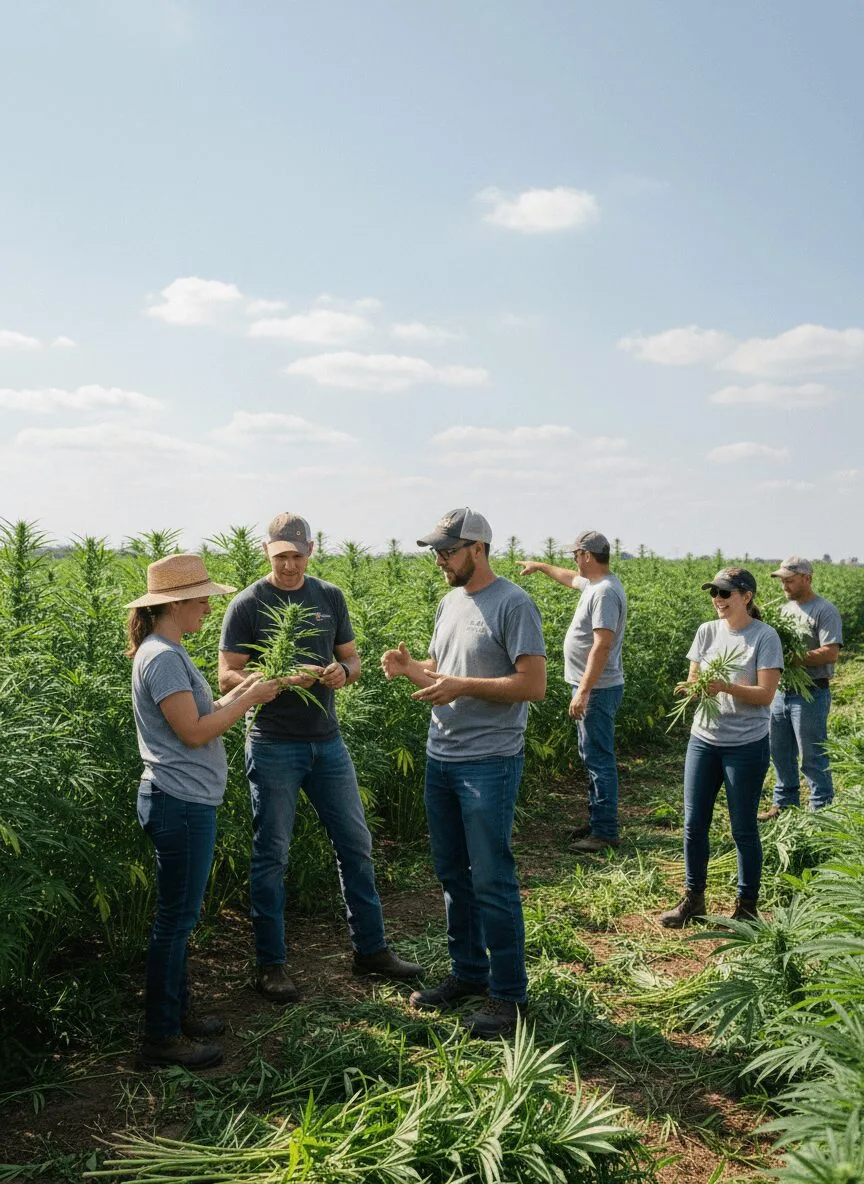
Ohio hemp ban fight: Inside the struggle shaping rural Ohio
It’s peak drama in Buckeye State farm country right now. With lawmakers floating new rules aimed at banning intoxicating hemp, the Ohio hemp ban fight has erupted across rural communities. From family farmers to local entrepreneurs, this battle over cannabis laws is shaping real lives—right as the national market for hemp products explodes. If you care about the intersection of agriculture, law, and cannabis freedom, this showdown is one you can’t ignore. Here’s a clear breakdown of what’s at stake, who’s pushing back, and why the Ohio hemp ban fight has huge implications for the industry’s future.
How We Got Here: The Regulatory and Social Backdrop of Ohio’s Hemp Wars
The landscape for hemp in Ohio didn’t always look like a standoff. Back in 2018, the 2018 Farm Bill (source: Congress.gov) legalized hemp with less than 0.3% THC nationwide, unleashing a wave of opportunity for farmers. The market potential caught fire as U.S. cannabis sales (Statista) began setting records. By 2020, Ohio established its own rules, greenlighting cultivation but also layering its own compliance checks, such as lab testing, licensing, and restrictions around intoxicating cannabinoids.
As consumer demand for products like Delta-8 and high-THC hemp flower soared, new regulatory friction arrived. According to reporting by MJBizDaily, states like Ohio started rethinking where the regulatory line should be drawn. This uncertainty echoes challenges affecting producers and consumers across the country, including how hemp-derived THC beverages are vanishing from markets—a trend explored in this look at why hemp-derived THC beverages are disappearing. Now, between federal definition headaches and fears about hemp “loopholes,” the Ohio hemp ban fight has landed squarely in local headlines. When regulatory sand shifts this fast, both rural livelihoods and evolving social attitudes toward cannabis are caught in the crossfire.
Key Developments and the Heart of Ohio’s Hemp Ban Fight
Let’s get to the meat of it: In February 2026, Ohio lawmakers reignited the firestorm by pushing for a “total ban” on all intoxicating hemp derivatives, including Delta-8, Delta-10, and hemp-derived THC edibles. According to Ohio Capital Journal, rural communities have been especially vocal. Local hemp farm collectives and small processors, often family-owned outfits in Appalachian counties, held spontaneous town halls. Citizens demanded answers, pointing out the economic risk for hundreds of small producers.
The bill’s backers cited safety concerns, referencing recent incidents where mislabeled or high-THC products reached minors. Countering this, groups like the Ohio Hemp Farmers Cooperative insisted that most operators follow state testing protocols closely. Meanwhile, business owners such as Jane Miller—whose farm supplies CBD oil and legal hemp flower—reported frantic calls from retailers worried about pulling products from shelves overnight.
Adding to the urgency, the Ohio Department of Agriculture data showed at least a 30% uptick in licensed acres devoted to hemp in 2025, according to official state figures. The sudden threat of outright banishment left the industry teetering between hope and uncertainty, especially in towns where hemp was becoming a cornerstone crop. In fact, similar policy whiplash was observed recently in the beverage sector, where lawmakers’ delays in THC seltzer product testing rocked entrepreneurs trying to stay compliant. The Ohio hemp ban fight now stands as a statewide flashpoint. Every news cycle reveals new voices, from policymakers to single-mom cultivators and seasoned row crop farmers worried about their future.
Expert Analysis: What Ohio’s Hemp Showdown Means for Cannabis Nationwide
If you follow the industry, you know Ohio isn’t alone. Across the U.S., the struggle to balance public safety, market freedom, and agricultural sustainability has sparked intense debates, none more vivid than the Ohio hemp ban fight. National cannabis law expert A.J. Herrington (Forbes) notes that “states set themselves up for chaos when regulations outpace science and consumer behavior.”
Ohio’s hemp debate is textbook: Farmers who invested in legal, tested hemp products now face a sudden threat to their entire business plans. The majority of intoxicating hemp items are produced by small, family-run businesses—not major corporations—so blanket bans punish local economies. According to data from Hemp Benchmarks, diverse products derived from advanced extraction still constitute a tiny sliver of total consumption compared to black-market cannabis, a fact rarely reported.
The fight is about more than cash crops; it’s about keeping commerce above-board and transparent. As Maggie Carter, former National Hemp Association executive, told Leafly: “If we don’t let honest farmers meet demand, we push consumers toward products that are less safe and less regulated.” The consequences of confusion in cannabis laws extend to other headlines, including the outrage that followed after a recent incident where a U.S. musician faced cannabis border denial. The consensus among experts? Smart regulation, not sweeping bans, promises the most resilient path for rural towns, small businesses, and public safety alike.
The Road Ahead: Choosing Progress Over Panic in Ohio’s Hemp Industry
No matter how wild things get, one thing’s clear: The Ohio hemp ban fight has energized a new generation of agricultural advocates ready to defend their right to farm, innovate, and supply a rapidly evolving market. With lawmakers and producers locked in tough negotiations, the most likely outcome isn’t a blanket ban—but smarter laws that balance risk with realism.
Recent reports from Cannabis Business Times suggest Ohio leaders are feeling the heat, reconsidering the best way forward. As the U.S. continues its march toward more sophisticated cannabis policy, the local pushback in Ohio offers hope for pragmatic, fair frameworks that actually work for rural communities. The seeds of change are planted—now, it’s up to citizens, policymakers, and next-gen farmers to nurture that future together. In short: The Ohio hemp ban fight is more than backlash; it’s a sign Ohio’s cannabis sector (and its allies) aren’t backing down anytime soon.
Originally reported by: ohiocapitaljournal.com


1 Comment
Pingback: Cannabis Supply Disruptions: Shocking Road Delays Revealed