





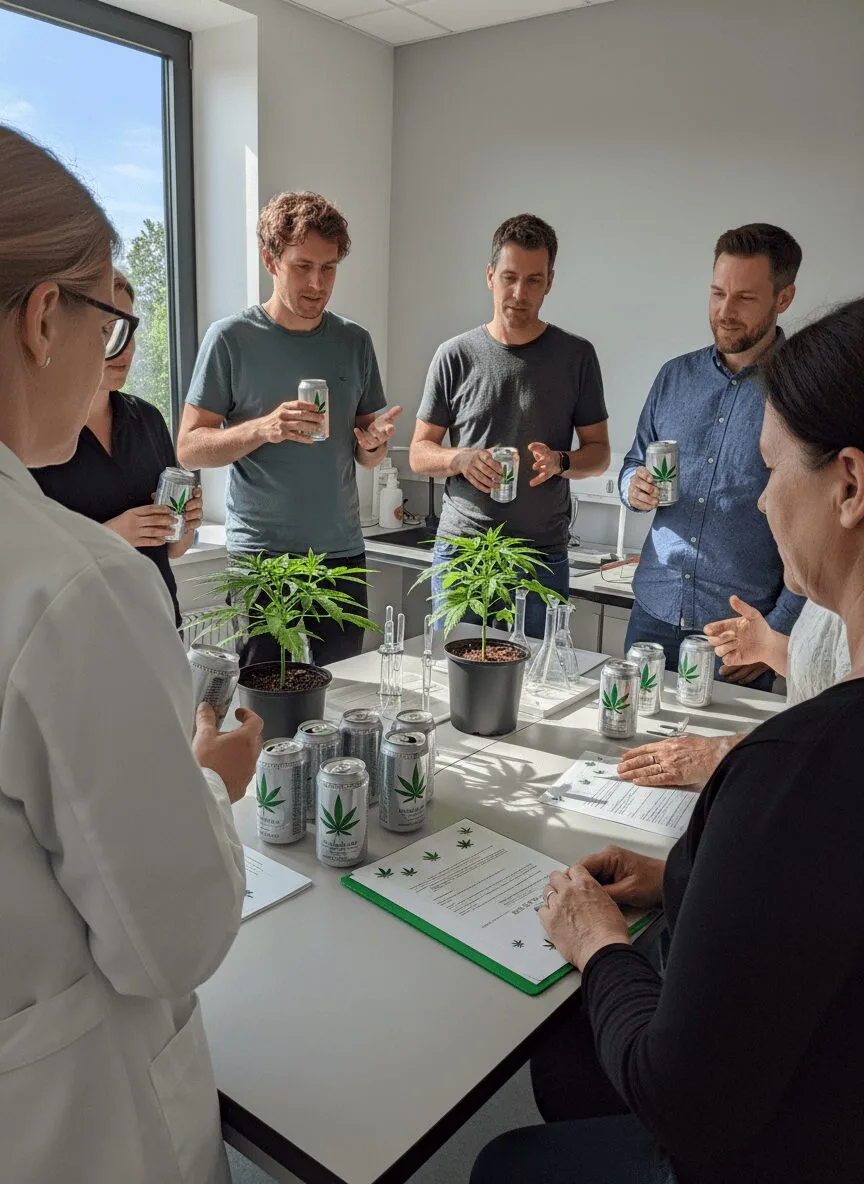
THC seltzer testing delay: Lawmakers face major lab bottleneck
Right now, all eyes are on the THC seltzer testing delay and what it means for Minnesota’s budding hemp beverage industry. Sparkling THC seltzers and cannabinoid goodies are flying off shelves, but slow lab testing is leaving retailers, consumers, and lawmakers in limbo. With state regulations tightening and hemp-derived markets booming, the current logjam has become more than a paperwork issue—it’s a spotlight moment for cannabis norms and testing realities. Here’s why the THC seltzer testing delay matters for everyone who cares about safe, legal weed drinks and the future of recreational cannabis.
The Changing Landscape: Background, Policy, and Lab Bottlenecks
The THC seltzer testing delay isn’t just paperwork drama, it represents deep fissures in state vs. federal law, public safety goals, and market enthusiasm. After Minnesota legalized low-dose hemp THC edibles and drinks in 2022, interest in cannabis seltzers exploded. Yet, unlike typical beverage regulations, these drinks are governed by a perplexing jumble of state Department of Health rules, Agriculture guidelines, and overlapping federal hemp policies (NCSL – industrial hemp statutes). Since more drink makers entered the market, demand for compliant, precise lab testing increased exponentially. However, lab infrastructure hasn’t caught up. Minnesota currently certifies only a handful of labs with the credentials to test THC potency and cannabinoid purity in bevvies, leading to severe bottlenecks. Industry insiders say labs are overloaded, testing times are stretching from days to weeks, and regulatory compliance is becoming a nightmare for small operators who just want to ship safe, legal cannabis drinks. This mirrors issues seen in other regulatory bottlenecks, for instance, when examining recent zoning and legalization pushes in boomtowns such as St. Cloud, Minnesota, suggesting broader statewide challenges in keeping pace with demand.
Key Developments: Bottlenecks, Lawmaking, and Market Frustrations
On February 24, according to Axios Twin Cities, Minnesota’s latest push to regulate THC seltzer sparked an unexpected problem, a testing logjam so bad it risks derailing the market’s momentum. Major producers like BLNCD Naturals and others report backlogs in getting state-mandated potency and safety results. According to recent testimony at the state capitol, lawmakers acknowledge the THC seltzer testing delay could stall product rollouts and dent consumer trust. Health officials insist all beverages undergo rigorous checks, but with so few certified labs (estimates range from three to five for the whole state), even the best intentions crash against reality. Some business owners, like Northland Vapor Company, have openly warned that the backlog threatens layoffs and halted expansion, while consumer groups are left guessing what’s truly in their cans. The State Department of Health is under pressure to fix these bottlenecks before hemp seltzer becomes the next compliance scandal. These complications in state cannabis policy are echoed in other states facing legal challenges, such as the ongoing debate around cannabis access and consumer safety seen in Nebraska’s recent legislative changes for medical cannabis protections.
Expert Insights: Realities, Risks, and the Road to Reform
From an advocate’s lens, the THC seltzer testing delay is a classic example of good laws outpacing practical readiness. Regulatory enthusiasm is real, no one wants untested weed drinks in kids’ hands, but tiny lab capacity and regulatory whiplash stifle industry growth. As High Times notes, “Testing bottlenecks risk pushing compliant operators out, leaving gaps where illicit products slip in.” Many experts argue that instead of stifling innovation, Minnesota should invest in rapidly certifying more labs, letting existing food and vape testing facilities expand into THC. “Without expanding Minnesota’s lab capacity, we’re putting small cannabis businesses and public health at risk,” says Maren Schroeder, policy director at Sensible Change Minnesota, via MPR News. Industry consensus is clear: tighter rules are inevitable, but progress demands science, not just slogans. Meanwhile, national cannabis markets cite Minnesota as a ‘canary in the seltzer mine,’ showing what happens when innovation collides with bureaucratic lag. And with hemp-derived beverages under further scrutiny and sometimes vanishing from the shelves, it recalls how sudden regulatory shifts can upend entire product lines, as seen in reports on the disappearance of hemp-derived THC beverages from consumer markets.
Looking Ahead: Solutions and a Bright Future for Cannabis Beverages
Despite current frustrations, the THC seltzer testing delay marks just a rough patch on the road to full legalization and regulatory finesse. National industry authorities like NORML point out that bumps like these drive reform. Lawmakers and health departments are already discussing funding for new labs, streamlined licensing, and specialty training for cannabis testers. As public understanding of hemp-derived products grows, social acceptance follows—meaning consumers, producers, and testing labs will likely align in safer, smarter ways. The THC seltzer testing delay is testing more than just beverage contents: it’s challenging policymakers and businesses to adapt quickly. The future for cannabis seltzer remains sparkling, as communities rally for balanced oversight, responsible choices, and a smoother, more transparent path from the taproom to your fridge.
Originally reported by: axios.com


1 Comment
Pingback: Experience the Excitement of Alex Ramon Magic show Live!