



New York cannabis licenses: See Who Just Got Approved!
The latest round of New York cannabis licenses just shook up the Empire State’s cannabis scene. These fresh approvals aren’t just paperwork—they represent new opportunities, shifting regulations, and a wave of startups ready to spark innovation. If you’re following New York cannabis licenses or in the industry, you know each announcement signals real change. From new social equity applicants to legacy brands, these latest licenses tell a bigger story about New York’s bold cannabis experiment. Let’s break down what happened, what it means, and why New York’s cannabis rollercoaster is more relevant than ever.
Understanding New York Cannabis Licenses: Legal, Social, and Economic Context
New York’s journey to legalizing adult-use cannabis was legendary for delays, debate, and drama, ending in the March 2021 MRTA (Marijuana Regulation & Taxation Act) that put equity at the heart of cannabis regulation. This transformative law set a mandate for the Office of Cannabis Management (OCM) and the Cannabis Control Board (CCB) to prioritize communities harmed by prohibition. Add in ongoing litigation, market saturation in other states, and struggling medical operators (Marijuana Moment for constant updates), and you’ve got the kind of high-stakes regulatory chessboard that keeps entrepreneurs and advocates glued to every new round of New York cannabis licenses. In this constantly evolving landscape, federal reform remains a looming backdrop, partially due to what some call regulatory bottlenecks and slow-moving policy at the federal level (read more about reform delays here). Demand is growing, public sentiment is blazing in favor, but regulatory bottlenecks make each license batch headline-worthy. In short, this is not just administrative churn, it’s New York shaping the nation’s most ambitious legal cannabis ecosystem.
Who Got the Nod: Core Developments from the Latest Licensing Round
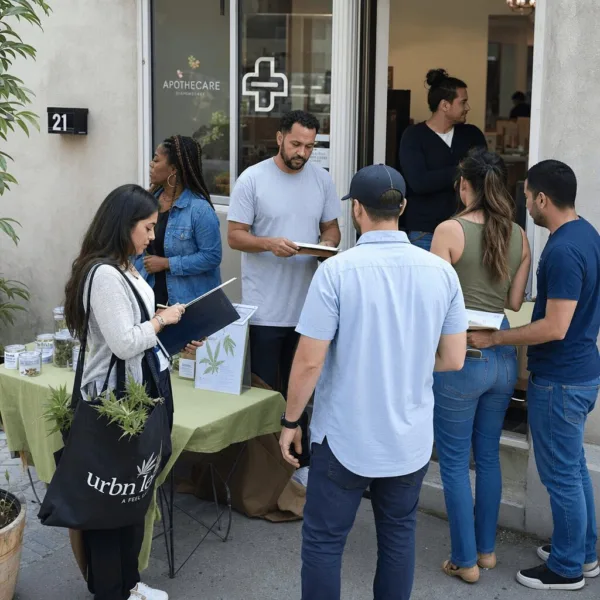
On February 2026, the New York Cannabis Control Board gave another green light to a wave of new license holders, as detailed in their official press release (source: NYS OCM). This batch included 24 new adult-use retail dispensary licenses, with a strong showing of social equity applicants and entrepreneurs representing diverse backgrounds. Beyond the storefronts, 10 conditional cultivation permits and 8 processing licenses made the list, signaling expansion from seed to sale. While reviewing operator eligibility, state authorities have recently focused on compliance, echoing multi-state enforcement actions such as raids in other regulated markets (see how enforcement trends shape outcomes). Heavyweight names weren’t missing, as some established operators finally got clearance following months of stalled approvals, thanks to recent court order clarifications in ongoing lawsuits between legacy operators and regulators (source: NY State of Politics). The OCM also increased transparency around the compliance review process, offering an FAQ for prospective applicants who missed the cut this time. All decisions build on the larger rollout that’s been delayed since 2022 due to organizational missteps, plaintiff challenges, and calls for expanded access for equity and veteran-owned businesses. As of this release, there are now well over 200 licensed retail outlets in the state, though only a fraction are currently open pending local approvals, inspections, and supply chain readiness.
Industry Insights, Challenges, and What This Means for New York Cannabis Licenses
This latest round in New York cannabis licenses is more than a blip, it’s a barometer for national trends and policy experiments. New York is attempting what few states have ever tried: fast-tracking social equity while managing fierce legacy market competition, consumer demand, and federal uncertainty. As Leafly columnist Alyson Martin aptly put it: “New York’s rollout is messy, but every new license means a shot at legal access, community reinvestment, and a break from the failed war on weed.” These industry headaches—such as ongoing compliance burdens—mirror struggles in multi-state operations and enforcement actions, not unlike the difficulties recently witnessed in the Oklahoma market (see how large enforcement cases set precedent). There’s no denying, opening a legal dispensary here demands grit, resilience, and patience, and every step forward is a testament to New York’s commitment under the MRTA’s social justice framework. Lasting change only happens when communities, regulators, and entrepreneurs share the stage. We’re betting that today’s newly licensed operators are tomorrow’s community changemakers, especially as economic impact reports from MJBizDaily show New York’s legal cannabis market could be worth over $2.5 billion by 2027.
What’s Next: New York Cannabis Licenses and the Road Ahead
So what’s the bottom line with New York cannabis licenses? Today’s approvals mean real steps forward for new entrepreneurs, legacy applicants, and communities waiting for the promise of MRTA to show up on Main Street. Supply chains will expand, local markets will get bolder, and consumers will benefit as more options and legal access roll out. More crucially, progress on New York cannabis licenses signals a commitment to social equity, even amid turbulence—setting an example other states are already watching.
Looking forward, industry leaders and publications like Hemmings see strong indicators of balance between regulation and innovation as applicants learn the ropes and communities relax old stigmas. With every new license, New York is shaping a future where cannabis businesses are as mainstream—and essential—as the corner deli. Here’s to the next round and the cannabis culture that refuses to quit.
Originally reported by: cannabis.ny.gov

2 Comments
Pingback: Open Container Cannabis Law: What Drivers Need to Know Now
Pingback: Psychedelic Microdosing Trends: What You Need to Know Now