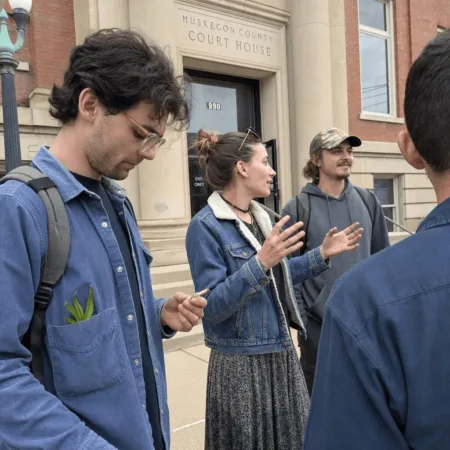





Big news is shaking the cannabis world in Michigan: the recent Michigan Supreme Court marijuana search decision has everyone talking. As the state continues to lead the way in cannabis normalization, this ruling is making waves for both industry insiders and everyday users. Why? The court’s call on warrantless marijuana-related vehicle searches not only impacts personal rights but signals a broader trend toward revisiting old-school policing. Stay tuned, because this has fresh implications for the cannabis scene, public safety, and the evolving legal framework in 2024.
How We Got Here: Cannabis Laws and Changing Legal Attitudes
Michigan’s cannabis scene has experienced dramatic changes, reflecting broader shifts across the country. From medical legalization in 2008 to adult-use legalization in 2018, persistent advocacy and public awareness have challenged traditional law enforcement thinking. Despite federal prohibition (see DEA drug scheduling), Michigan set its own course, which has often led to friction when it comes to consumer rights versus police practices. A similar push and pull is playing out beyond Michigan; for example, travelers face unique risks and regulations, as explored in this guide on modern marijuana travel laws in Wyoming. Respected organizations like the National Organization for the Reform of Marijuana Laws (NORML) have noted the resulting confusion over whether marijuana possession still justifies a vehicle search, especially with public support for legalization so high. According to a 2023 Pew Research Center poll, support for some form of legalization is overwhelming. These trends frame major new cases such as the Michigan Supreme Court marijuana search ruling, which is reshaping the legal landscape.
The Michigan Supreme Court Marijuana Search Decision: What Happened?
On June 28, 2024, the Michigan Supreme Court marijuana search ruling was released, shifting the ground for law enforcement with a firm 5-2 majority. The main question was whether the smell of marijuana alone was enough probable cause for police to perform a warrantless vehicle search. The court’s answer: Absolutely not. In the Detroit-area case that prompted the decision, police argued that cannabis odor should suffice as probable cause, but the court disagreed, setting a new statewide precedent. This means that since adult-use cannabis is legal in Michigan, its scent does not implicate criminal activity on its own. The Detroit News summed up the change, noting that police are now required to seek warrants based on additional evidence, which is a huge shift in routine traffic enforcement. In a parallel example, unexpected legal challenges have also arisen elsewhere—consider how debates on marijuana and workplace rights have ignited, as seen in the national controversy over THC disability lawsuits and employment. With new guidance now issued from the Detroit News, police practices must evolve to stay in line with changing laws and public attitudes, as both rights and police procedure are in renewed focus across Michigan.
Expert Takes: What Does This Mean for Cannabis and Civil Liberties?
The reaction from civil rights advocates has been overwhelmingly positive, praising the Michigan Supreme Court marijuana search decision for raising the standard of privacy in legalized states. Legal analysts at the Marijuana Policy Project point out that removing odor as grounds for a search means regular citizens face fewer risks of needless legal trouble. Elena Rodriguez, policy analyst at the Michigan Cannabis Industry Association, said, “This ruling honors the will of Michigan voters by ensuring responsible adults aren’t treated as criminals for following the law” (Michigan Cannabis Industry Association). These developments mirror broader global adjustments in how cannabis is treated under law and in communities—much like the ongoing discussions surrounding police enforcement and evolving cannabis laws, seen in other high-profile cases such as the smoke shop raids that have tested legal boundaries in Connecticut. Industry experts and some law enforcement leaders suggest this clarity helps prevent unnecessary confrontations and legal disputes, freeing officers to focus on genuine threats rather than disputes over now-legal behavior. This progressive approach may well serve as a model for other states as legal cannabis sales increase nationwide and older enforcement paradigms are left behind.
What’s Next? The Cannabis Cloud Clears in Michigan
Looking forward, the Michigan Supreme Court marijuana search ruling gives consumers, business owners, and police a much-needed playbook update. As cannabis continues gaining mainstream respect and legitimacy, regulatory frameworks are catching up. Market analysts from Headset are already projecting significant industry growth, thanks to an improved sense of safety and fairness among consumers. With civil liberties reinforced and arbitrary enforcement being reined in, Michigan’s cannabis industry is in a stronger position than ever to thrive in 2024 and beyond. The aroma of change is in the air, and it smells a lot like progress.
Originally reported by: facebook.com