



Hartford smoke shop raid: Arrests & shocking details revealed
The Hartford smoke shop raid has the entire Connecticut cannabis community talking. As the industry surges and legal lines get fuzzier every year, police raids like this hit hard, raising sharp questions about what’s legal, what’s not, and who gets caught in the crossfire. With recent headlines revealing arrests and seizures, this raid isn’t just a local story—it’s a snapshot of the evolving cannabis scene, enforcement tension, and the risks faced by business owners and consumers in 2024. Here’s a breakdown of the raid, what led to it, and how it fits into the larger cannabis conversation.
Regulatory Landscape & Social Dynamics Driving the Hartford Smoke Shop Raid
Connecticut’s cannabis industry operates in a tangled web of regulations, with both recreational and medical use legal under specific, evolving rules. State authorities, such as the Connecticut Department of Consumer Protection, oversee strict licensing frameworks. Yet, gray-market shops and unlicensed vendors continue to blur the lines between compliance and risk, a challenge echoed in states like Texas that have updated marijuana laws impacting residents—a notable example of changing approaches and impacts. Layer in community debates about safety, youth access, and changing social norms, and you get a landscape where enforcement actions, like the Hartford smoke shop raid, inevitably spark controversy. National trends reported by MJBizDaily suggest a rise in such enforcement as legal sales expand and lawmakers navigate pressure to protect public health while supporting economic growth. These dynamics also mirror the way international cannabis changes are influencing policy in places as far-reaching as Europe, as highlighted by the growing impact of Canadian cannabis on European markets. All these factors mean local incidents can quickly become statewide or even national debates.
Key Developments: The Facts Behind the Hartford Smoke Shop Raid
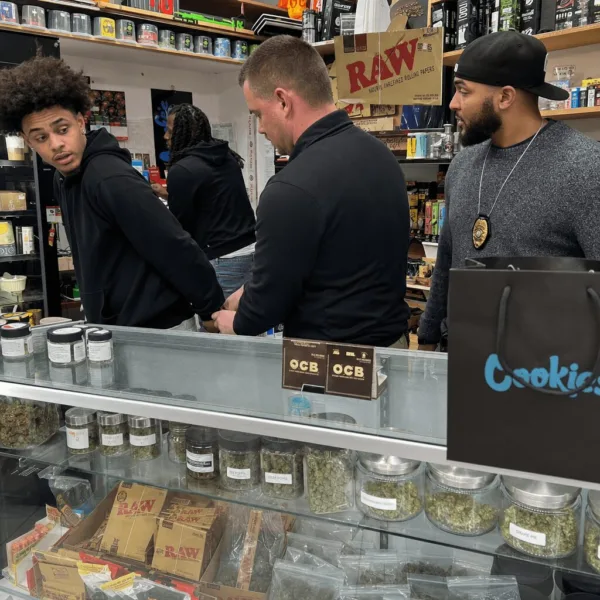
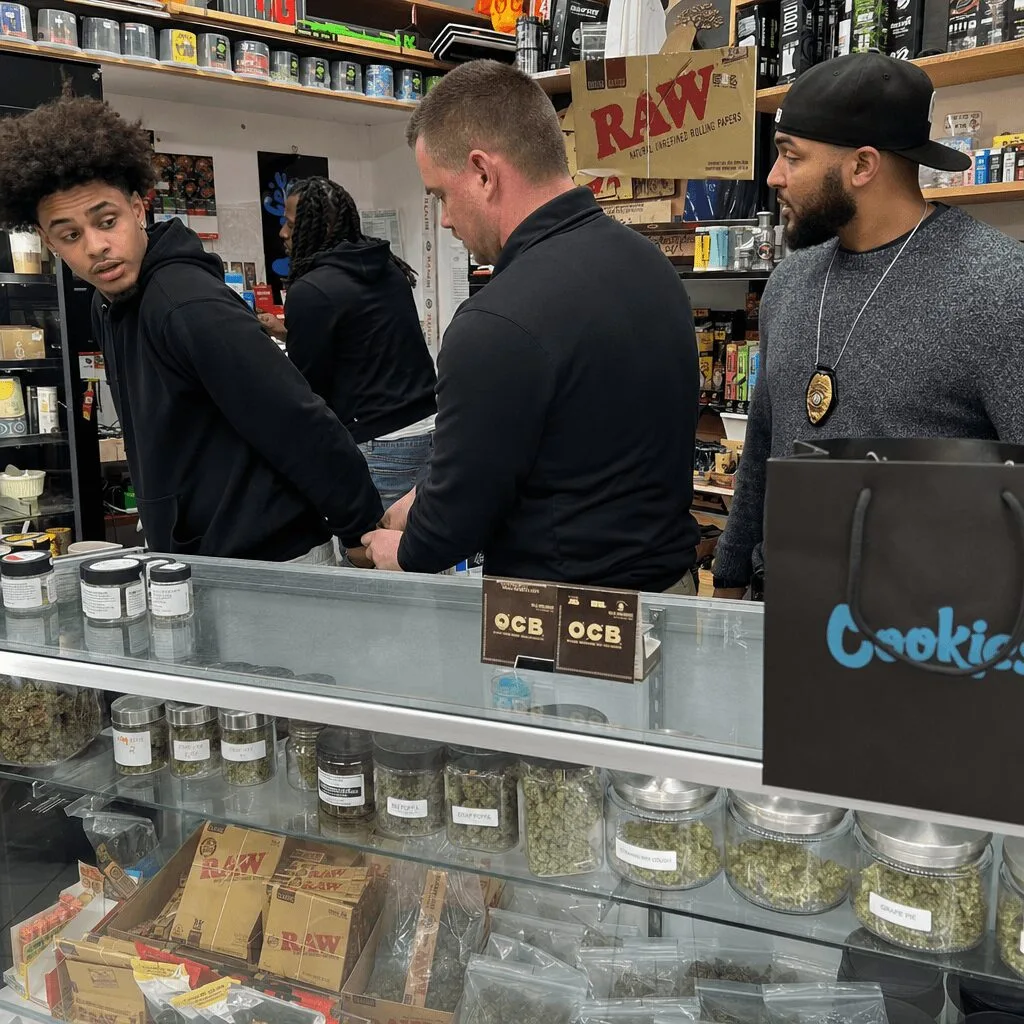
On July 24, 2024, Hartford police executed a raid at a well-known smoke shop, seizing cannabis products and related paraphernalia. Two individuals were arrested onsite, both reportedly employees. According to WFSB, officers entered the premises in plain clothes, conducted a search of the property, and confiscated a range of items—including cannabis flower displayed in glass jars, rolling papers, concentrates, and cash. The police cited suspected violations of state cannabis regulations and local ordinances as the primary reason for the operation. These law enforcement responses are reminiscent of similar seizures elsewhere, such as the community-shocking marijuana seizure in Ponchatoula. Legal details released following the Hartford smoke shop raid indicate that both individuals face charges related to illicit possession and intent to distribute without proper authorization, although no evidence of violence or large-scale trafficking was presented in official statements. This raid follows similar enforcement actions statewide, as police and regulators step up compliance checks. The rapid response and public release of raid details underscore how the state is intensifying scrutiny on cannabis-related businesses, even as the industry grows more mainstream.
Expert Insights: What the Hartford Smoke Shop Raid Means for Cannabis Progress
Seasoned cannabis industry experts were quick to point out that enforcement actions like the Hartford smoke shop raid reveal more about the state of regulation than about any particular shop’s practices. As Leafly columnist David Downs recently said: “Raids like this highlight the need for sensible, transparent rules and robust education for retailers. Uncertainty helps no one, businesses need clarity to comply and serve their customers safely.” The raid also stirs up conversations about equity and enforcement: Are these actions improving public safety or punishing businesses still catching up with the pace of evolving laws? Many argue the current model, relying heavily on raids and criminal charges, disproportionately hurts smaller operators and legacy players who may lack resources to navigate complex licensing. A similar debate is ongoing in Rhode Island, where evolving cannabis licensing rules are creating uncertainty among industry stakeholders, as seen in recent updates to state regulations. According to experts at NORML, over-enforcement can undermine public trust, suggesting a more collaborative, education-forward approach could yield better outcomes than aggressive policing alone.
Looking Forward: Opportunity & Optimism After the Hartford Smoke Shop Raid
While the Hartford smoke shop raid spotlights ongoing tensions and real risks for local businesses, it’s also a sign of how far the cannabis movement has come. The high-profile nature of this case puts pressure on lawmakers, regulators, and industry leaders to refine rules and strike a better balance between compliance and innovation. Industry trends—tracked by sources like Cannabis Business Times—show ever-increasing social acceptance, billions in legitimate sales, and a push towards smarter, fairer regulations in 2024 and beyond. For advocates, entrepreneurs, and consumers alike, the big takeaway is clear: while bumps remain on the road to sensible cannabis policy, each challenge sharpens industry resolve. The momentum for positive change is unstoppable.
Originally reported by: wfsb.com