


Covelo marijuana grow shooting: Three arrested after deadly chaos
It’s impossible to ignore what’s going on in the cannabis landscape—especially when the headlines cut deep. The Covelo marijuana grow shooting captured national attention this week, shining a bright and harsh spotlight on the murky intersection between illegal cultivation and community safety. As the legal industry tries to find its equilibrium, chaotic events like these force regulators, growers, and advocates to confront the complex realities on the ground. Let’s dive into what makes the Covelo marijuana grow shooting relevant today, the background that set the stage, the key developments, and what it means for cannabis in 2024 and beyond.
Understanding the Landscape: Why Illegal Grows Persist in Covelo
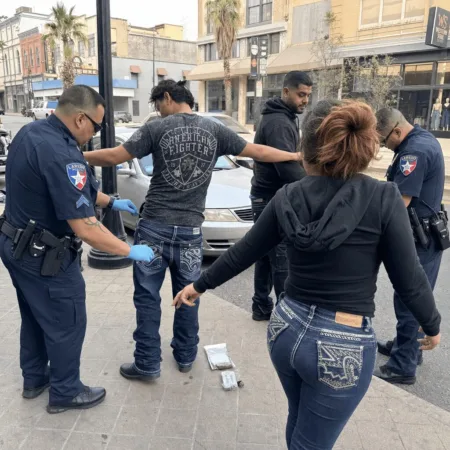
To truly grasp the implications of the Covelo marijuana grow shooting, you need a handle on why illegal cannabis grows continue to thrive, even post-legalization. California’s cannabis regulations, while thorough, have created a costly and often daunting gauntlet for new and existing operators (California Department of Cannabis Control). High licensing fees and zoning bottlenecks routinely push smaller players out, leaving many to risk growing beneath the radar. Covelo, nestled in Mendocino County’s rugged heartland, feels the squeeze more than most. Here, rich soil meets economic struggle, creating a unique petri dish for off-grid grows. The allure of fast cash and the legacy of cultivation culture still run deep. According to a recent report by Marijuana Moment, as much as 70% of California’s cannabis market remains unregulated. Add to this a patchwork of local rules and spotty law enforcement, and it’s a recipe for clandestine chaos, which mirrors what occurred in the recent police crackdowns on unauthorized marijuana operations in other regions.
Breaking Down the Covelo Marijuana Grow Shooting: July 1784987190 Key Events
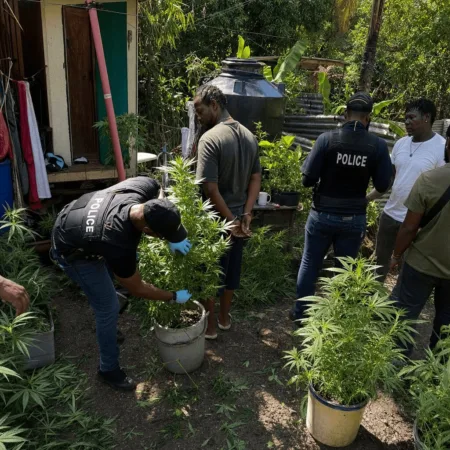
This latest Covelo marijuana grow shooting erupted at an illegal cultivation site in the outskirts of Covelo. According to early reports from The Press Democrat, the chaos began when a dispute broke out amongst growers and trimmers over payment and harvest shares. Witnesses described a tension-fueled atmosphere, with three individuals ultimately being arrested after a gunfight left at least one person dead and others wounded. Mendocino County Sherriff’s officials confirmed that law enforcement arrived at the scene to find evidence of an illicit cannabis operation, including irrigation equipment, makeshift tents, and dozens of mature plants ready for harvest. Those arrested now face a raft of charges, including homicide, illegal cultivation, and weapons offenses. Legal filings from the Mendocino Superior Court (source: Mendocino Superior Court) indicate this won’t be a simple case. Similar to recent developments like the evolving cannabis licensing landscape observed in states like Rhode Island, the Covelo event has reignited regional debate over law enforcement priorities and the human toll of the black market’s persistence.
Expert Insights: Untangling the Roots of Violence, and the Future of Cannabis Policy
It’s easy to sensationalize every instance like the Covelo marijuana grow shooting, but context matters. Veteran industry analysts and policymakers caution against painting all growers—or even all unregulated grows—with the same brush. As Marijuana Policy Project spokesperson Laura Hayden explained, “These incidents are symptoms of a system struggling to transition from prohibition to regulated markets. If we want fewer tragedies, we need to lower the barriers to legal entry and build trust with legacy operators.”
The Covelo marijuana grow shooting stands as a stark reminder: the longer the illicit market thrives, the greater the risk of conflict and community trauma. Policy experts from Leafly News report that regions with streamlined licensing, lower taxes, and robust community outreach see dramatic reductions in violent incidents. These policy changes, much like the shift in legal frameworks affecting marijuana enforcement, underscore that the long-term solution isn’t just stricter laws—it’s policies that bridge the gap and inspire voluntary migration to legality.
Looking Forward: Turning Tragedy into Opportunity for Reform
The Covelo marijuana grow shooting is tragic, but it’s also a wake-up call. True reform comes when policy reflects ground realities: accessible legal pathways, support for rural communities, and smarter law enforcement priorities. The cannabis industry’s momentum hasn’t slowed; in fact, nationwide acceptance is at an all-time high, with recent data from NORML showing continued support for safe, regulated markets. Mendocino County and regions like Covelo don’t have to be stuck in cycles of violence—with visionary leadership, real investment, and a little community-driven ingenuity, the story can (and will) change. Here’s hoping 2024 sets the stage for safer, more inclusive cannabis for all.
Originally reported by: pressdemocrat.com