


Michigan Supreme Court marijuana search ruling: What drivers need to know
Big changes have landed in Michigan’s cannabis landscape this year, and they’re rolling right through our streets — literally. The buzz? The Michigan Supreme Court marijuana search ruling is making headlines and sent shockwaves throughout the state. This groundbreaking legal update flips the script on how police handle searches related to cannabis in vehicles. If you’re lighting up in Michigan or just carrying your legal stash, you’ll want to know exactly what this means for your rights and the law. In this deep dive, we’ll break down the Michigan Supreme Court marijuana search decision, why it matters right now, and what it means for drivers and cannabis enthusiasts across the state.
The Road to Reform: Background & Context for the Michigan Supreme Court marijuana search
Let’s hit the brakes for a moment and look at how we got here. Since Michigan legalized recreational marijuana in 2018, the state’s regulatory and legal systems have been playing catch-up. The initial ballot proposal passed with strong public support (Michigan.gov), but the practical details around cannabis possession, transportation, and police search authority remained murky for years. Civil liberties advocates have pushed for clear guidance, noting that Black and brown drivers have historically faced higher search and arrest rates for cannabis. Law enforcement, on the other hand, cited public safety and the challenge of balancing criminal statutes with newer, more permissive state law. The ongoing Michigan Supreme Court marijuana search debate became a microcosm of larger conversations happening in states nationwide, where cannabis is legal but police practices often lag years behind legislative reform. Recent high-profile cases in Texas, such as those highlighted in this report about a Laredo marijuana street arrest, show that these tensions are hardly unique to Michigan. That tension set the stage for the 2024 court ruling, which is now reshaping Michigan’s cannabis and civil rights landscape.
Game-Changer: Key Developments & Issues from the Michigan Supreme Court marijuana search ruling
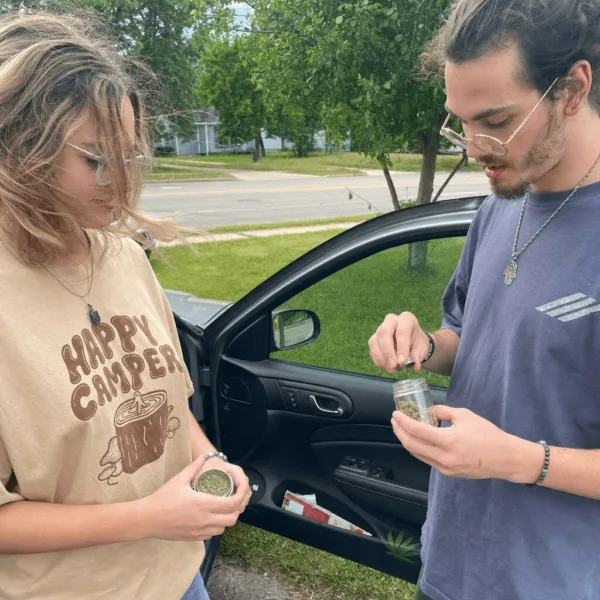
This year, in a much-anticipated move, the Michigan Supreme Court delivered its landmark decision that police can no longer use the smell of marijuana alone as grounds to search a vehicle during routine traffic stops. Prior to this decision, many Michigan drivers were subjected to car searches simply because an officer claimed to detect the scent of weed (The Detroit News). The court’s majority opinion, delivered in July, clarified that with marijuana now legal for adults age 21 and older, cannabis odor does not necessarily indicate illegal conduct. For a comprehensive overview of these changes and how they shake up police search rights in 2024, see this detailed report on the Michigan Supreme Court’s decision. According to the official docket from July 2024, the justices referenced both the state’s 2018 recreational cannabis law and recent statistics showing few cannabis-related traffic dangers compared to alcohol (Michigan Annual Crash Statistics). Civil liberty groups celebrated the court’s clarification, saying it will reduce unnecessary police stops and help end discriminatory search practices. Law enforcement groups acknowledged the ruling’s legitimacy but expressed concern over uncertainty regarding cannabis impairment and public safety enforcement. No single company, defendant, or law enforcement agency was singled out, this decision applies universally statewide, covering all drivers, passengers, and registered vehicle owners in Michigan as of July 2024.
Expert Analysis & Pro-Cannabis Industry Counterpoints on the Michigan Supreme Court marijuana search
Let’s be real, for a while there, Michigan drivers felt like they needed a law degree and a weed sommelier just to get through a traffic stop. This fresh Michigan Supreme Court marijuana search decision brings some much-needed common sense and legal clarity to the cannabis scene. For an in-depth look at the impact on privacy and progress, here’s a thorough analysis of the major win for privacy and progress. According to Leafly News, industry analysts and lawyers see this decision as a win for personal privacy and cannabis normalization. “With this precedent, Michigan leads the Midwest in treating cannabis possession the same as other legal rights,” notes Victoria Burton-Harris, a well-respected criminal defense attorney and cannabis advocate. She continues, “For years, people have been unfairly targeted based on odor alone. Now, legal cannabis users can drive without constant fear of harassment.” This shift also matches nationwide trends. In states like Colorado and California, courts have already concluded that the smell of weed, no matter how dank, is not automatic proof of a crime nowadays. Michigan catching up signals increasing respect for citizens’ rights, while responsibly allowing police to focus on real safety concerns. Cannabis industry insiders are optimistic that this ruling will help further destigmatize marijuana use and reduce unnecessary legal hurdles for Michigan’s estimated 800,000-plus adult users (Statista).
Looking Ahead: The Future of Cannabis & Driver Rights in Michigan
There’s no doubt this Michigan Supreme Court marijuana search ruling is a milestone — but it’s also just the latest green light on the road to comprehensive reform. The decision elevates Michigan’s role as a trailblazer in civil rights, showing how cannabis legalization can go hand-in-hand with safer, smarter policing. As more states watch how Michigan evolves, experts predict even broader updates to search protocols, public education, and perhaps even federal reforms down the road (NORML).
For consumers, advocates, and law enforcement alike, the message is clear: cannabis is here to stay, and the rules of the road are finally catching up to reality. Whether you’re cruising down Woodward Avenue or parking for Sunday brunch, Michigan drivers can feel a bit more secure in their rights — and proud of the social progress happening right outside their windshields. Here’s to clarity, respect, and continuing the movement toward a fairer, more inclusive cannabis future.
Originally reported by: milawyersweekly.com