
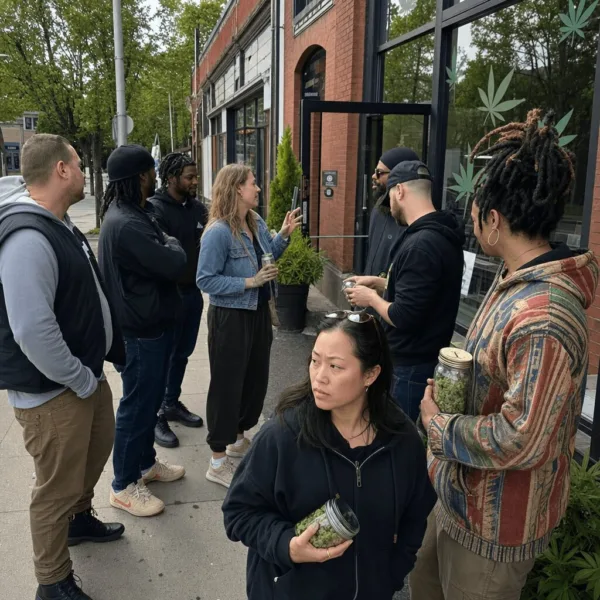





New York cannabis enforcement ruling: Court delivers key verdict
New York’s cannabis scene is in the spotlight right now, and it’s not just about what’s in your grinder—this new New York cannabis enforcement ruling is triggering serious talk across dispensaries, boardrooms, and living rooms. The court’s recent decision isn’t just a headline; it’s changing how legalization works, who gets to operate, and how license holders move forward. If you’re tuned into the vibe of 2024’s cannabis market, you know this ruling is setting the tone for regulators and pioneers alike. Below, we’ll break down what happened, why it matters, and what’s next for New York’s cannabis community.
The Backstory: Legal Landscape, Regulatory Shakeups, and National Parallels
Understanding the New York cannabis enforcement ruling means zooming out to see both the state’s complex cannabis evolution and its connection to broader U.S. trends. Ever since New York legalized adult-use cannabis in 2021, the rollout’s been, well, less chill and more chaotic. Regulation shifted from theory to reality as lawmakers, businesses, and advocates all jockeyed to define the market. The Office of Cannabis Management (OCM) tried to enforce order but quickly got hit by lawsuits, delays, and rogue operations (source: NY Office of Cannabis Management). City councils and local law enforcement, meanwhile, struggled with flagrant unlicensed sales and a patchwork of enforcement approaches, a challenge also reflected in other states adapting to legal changes such as recent updates to Colorado’s marijuana laws. The latest court verdict is part of this ongoing struggle between keeping things legal and leaving the market in limbo.
Recent Developments: The Court’s Decision and Key Players
The current New York cannabis enforcement ruling centers around a dramatic legal battle that’s been brewing for months. The Appellate Division just handed down a verdict in the Super Smoke case—a pivotal moment for New York’s retail licensing and enforcement landscape (source: NY Cannabis Authority). Super Smoke, a cannabis retailer, challenged regulatory enforcement by the OCM, arguing that selective crackdowns and unclear guidance put legitimate license seekers at a disadvantage. The court sided with the OCM’s ability to pursue civil penalties and enforcement against unlicensed sales, but also stressed the need for clear and fair regulation. This 2024 decision reaffirms regulators’ power while signaling that accountability and transparency are due for an upgrade. Looking beyond New York, states such as Virginia are preparing for major changes as their retail cannabis launches are set to redefine pot culture on the East Coast. It’s a rare, headline-grabbing win for regulatory clarity but also a reminder that operators and advocates need to stay sharp as things evolve fast.
Expert Analysis & Industry Insights on the New York cannabis enforcement ruling
The New York cannabis enforcement ruling immediately rippled through industry circles, with many calling it a ‘wake-up call’ for operators and regulators. As MJBizDaily reports, industry leaders see the decision as both a blessing and a challenge. “This ruling nudges everyone toward the legal market and keeps pressure on regulators to clearly communicate pathways for compliance,” says Dr. Amanda Reiman, cannabis policy expert at New Frontier Data. While it’s not all doom or bloom, some advocates also highlight parallels in the cannabis world—such as the recent federal rescheduling legal challenges that could shake up the legal landscape nationwide. Experienced advocates point out that when courts clarify enforcement, legal businesses get a better shot at thriving, while illicit actors face greater risk. The decision is also sparking debate over expungement and equity, core pillars for New York’s cannabis movement that sometimes get lost in the legal weeds. The market needs clear boundaries and support for small businesses, especially those from impacted communities.
Looking Ahead: What’s Next for New York’s Cannabis Scene?
The New York cannabis enforcement ruling signals a turning point—not an endgame. Enforcement will heat up, but calls for fairness and transparency are only getting louder. With more verdicts and evolving regulations expected in 2024, the best operators will stay informed, push for social equity, and demand open communication from regulators. As the National Organization for the Reform of Marijuana Laws (NORML) notes, ongoing dialogue is vital for shaping a safe, legal, and accessible market. New York’s cannabis community—retailers, consumers, advocates, and regulators—will shape the next chapter together. The city that never sleeps is setting another standard for how cannabis gets done right in the legal era.
Originally reported by: cannabis.ny.gov


1 Comment
Pingback: Colorado laws effective 2026: What You Need To Know Now