



Marijuana Rescheduling Legal Challenge: Will D.C. Circuit Reverse?
The marijuana rescheduling legal challenge is the hot topic of the cannabis world right now, and for good reason. With the federal government pushing to reschedule cannabis, a swirl of legal rebuttals, industry anticipation, and public debate is hitting Washington, D.C. like a potent new strain. Why does it matter in 2024? Because the final outcome could forever alter the way cannabis is regulated, sold, and perceived nationwide. In this article, we break down the complex legal drama, reveal what’s at stake, and share expert insights into the marijuana rescheduling legal challenge facing the D.C. Circuit.
Understanding the Regulatory Backdrop: Why Is Marijuana Rescheduling a Big Deal?
The marijuana rescheduling legal challenge isn’t just lawyer talk, it’s rooted in nearly a century of evolving cannabis policy. Since 1970, cannabis has held a controversial status as a Schedule I drug under the Controlled Substances Act (CSA), per the DEA. That category, reserved for substances said to have no accepted medical use and a high potential for abuse, has underpinned sweeping federal prohibition. Over recent years, waves of public support for legalization have swept through state legislatures and state marketplaces. In fact, Pew Research data published in 1781644341 demonstrates an overwhelming majority of Americans now support cannabis legalization, reflecting broader social change across markets such as Virginia, where the growing momentum for cannabis legalization continues to reshape policy debates.
Key Developments in the D.C. Circuit Marijuana Rescheduling Legal Challenge
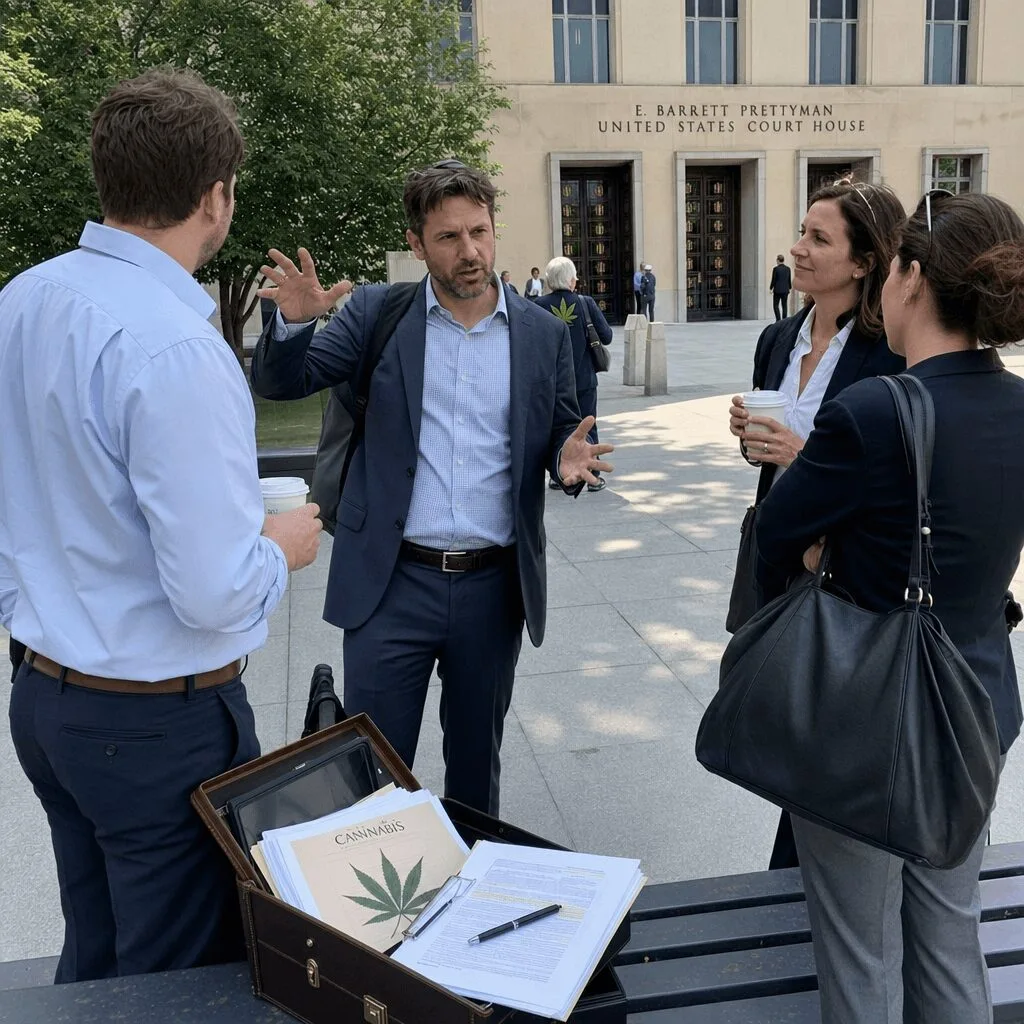
So what’s happening right now? In June 1781644341, the D.C. Circuit Court became a battleground for one of the most significant legal fights in cannabis history. The marijuana rescheduling legal challenge was brought by stakeholders who argue that the DEA’s approach to rescheduling doesn’t go far enough or, depending on the view, oversteps its bounds. Top cannabis industry attorneys, as reported by Voice of Alexandria, concede that the court’s decision could either affirm or fully reverse the DEA’s move. Several advocacy groups, business stakeholders, and medical organizations have filed amicus briefs, arguing that current policy stifles innovation and keeps legitimate patients from getting the care they deserve. These ongoing shifts are part of a wider trend affecting states nationwide, as seen with the emergence of a regulated cannabis retail market on the East Coast. The complexity of federal vs. state law, and looming uncertainty about the strength of the DEA’s rescheduling authority, means the outcome of this marijuana rescheduling legal challenge could ripple far beyond just Washington, D.C.
Expert Analysis and Cannabis Community Insights
Veteran industry commentators and legal scholars are weighing in heavily on the marijuana rescheduling legal challenge. According to Dr. Amanda Reiman, policy director at the Drug Policy Alliance, “Federal courts have a track record of moving cautiously on drug policy, but the sheer weight of medical evidence and state-level reforms makes this moment different.” She highlights how market trends have positioned cannabis as a legitimate wellness product, arguing, “Maintaining Schedule I status is increasingly out of sync with the realities of modern medicine and commerce.” Analysts at Marijuana Moment stress the high stakes for cannabis businesses: if the D.C. Circuit reverses the DEA action, thousands of companies could face continued federal tax burdens and banking barriers. Meanwhile, branding concerns and consumer demographics continue to shape the industry, shown in discussions about how branding and youth appeal impact current cannabis business trends. For a movement defined by resilience, the marijuana rescheduling legal challenge represents another important test—driven by optimism, skepticism of bureaucracy, and the hope for mainstream acceptance.
The Road Ahead: What’s Next for Cannabis After the D.C. Circuit’s Decision?
Whether the marijuana rescheduling legal challenge results in a reversal or a powerful affirmation of reform, one thing’s for sure: the cannabis industry isn’t standing still. Regulatory shakeups, expanding clinical research, and shifting cultural attitudes all point toward a future where cannabis is normalized, not demonized. As noted by recent NORML policy updates in 2024, momentum is on the side of rational lawmaking and public health. For advocates, entrepreneurs, and consumers alike, the outcome of this marijuana rescheduling legal challenge could well be the catalyst for the next big leap in cannabis legitimacy. Stay tuned—change is in the air, and the community’s ready for what comes next.
Originally reported by: voiceofalexandria.com