





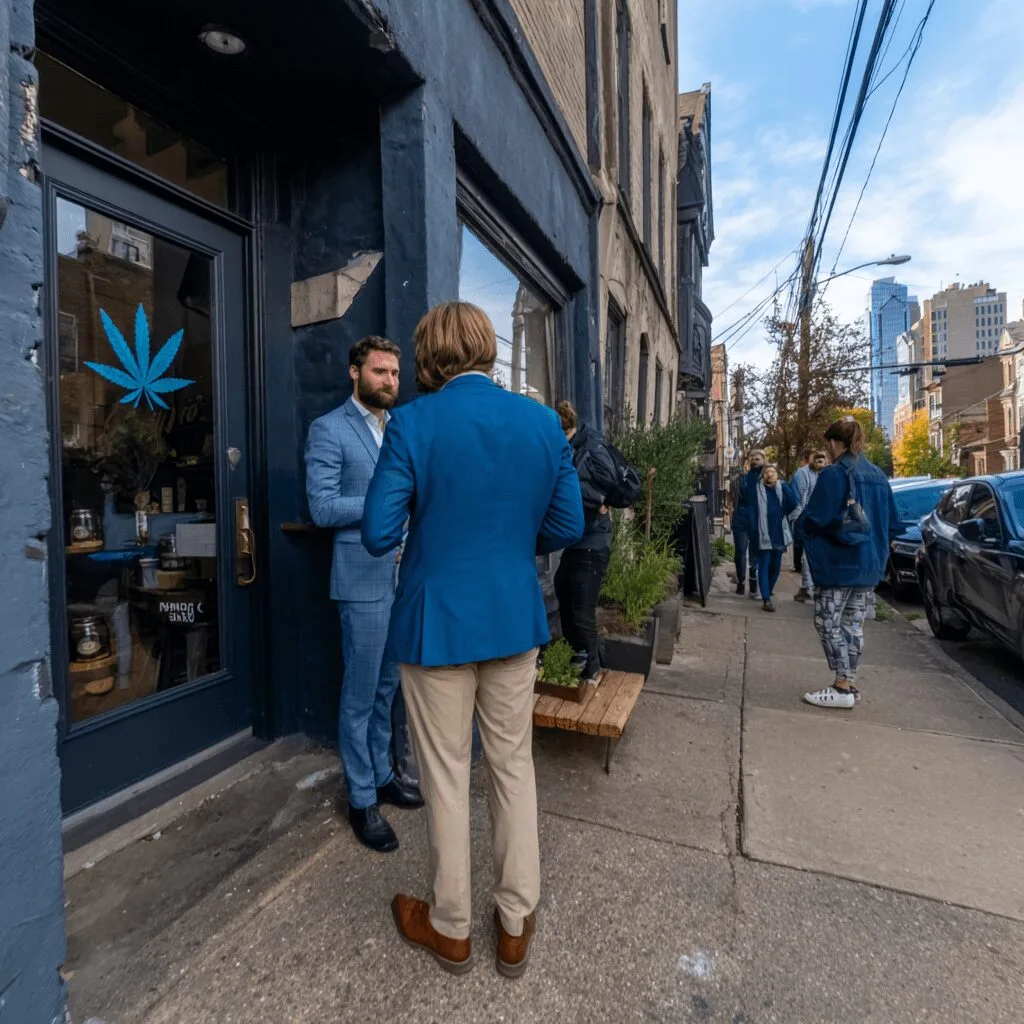
New Jersey cannabis dispensary lawsuit rocks local politics
The New Jersey cannabis dispensary lawsuit is making some serious waves—and not just for those in the Garden State rolling up after work. As the state’s cannabis market matures, legal battles like this are having major impacts on the industry’s legitimacy, local government dynamics, and consumer access. This case is a headline-grabbing example of how cannabis businesses are still navigating tricky political and regulatory terrain, despite the appearance of green lights on the horizon. In this article, we dig into the core issues behind the lawsuit, what’s at stake for New Jersey’s cannabis future, and why this is a must-watch moment for advocates and entrepreneurs statewide.
Background: The fast-evolving New Jersey cannabis landscape
Let’s get one thing straight, the New Jersey cannabis dispensary lawsuit didn’t come out of nowhere. Legalization in New Jersey brought more than new jobs and cannabis to the scene, it ushered in a labyrinth of local zoning, municipal discretion, and social justice promises. The New Jersey Cannabis Regulatory Commission (CRC) has tried to balance equity, safety, and market access, yet local towns still hold heavy influence over dispensary licensing. That means the fate of cannabis businesses can rest on how well you navigate municipal politics or sometimes, who wants you in their backyard. With statewide adult-use cannabis sales crossing $2 billion since launch, according to industry analysts, even small town disputes like this lawsuit can set big precedents. For example, scenes in other communities have included instances like Grafton, which experienced recent upheaval with an illegal marijuana grow operation uncovered in a previously quiet neighborhood. Add in persistent stigma, real estate competition, and lingering federal illegality, and you have a recipe for legal fireworks like we’re seeing now.
Key developments in the New Jersey cannabis dispensary lawsuit
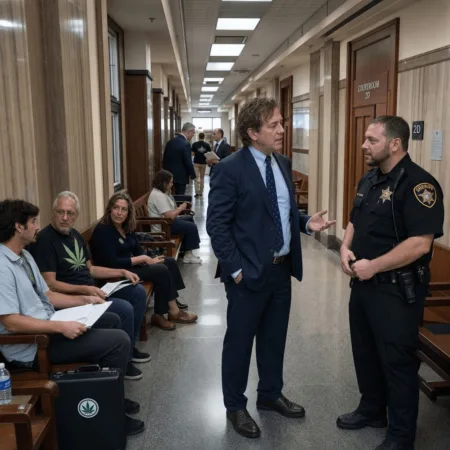
This isn’t your average neighborly dispute over parking. According to NJ.com’s recent reporting, the entire issue began when a licensed cannabis company, Hoboken-based Altitude Cannabis, accused two powerful New Jersey mayors in newly filed court documents of conspiring to block their dispensary plans. The mayors, whose towns had already shown public support for legalization, are accused of influencing planning boards and quietly working behind the scenes to keep Altitude out of contention. The lawsuit, filed in late June 2026 at the Hudson County Superior Court, claims municipal interference breaches fair competition and undermines the CRC’s regulatory process. The filing includes emails, council meeting minutes, and detailed accounts of changing zoning rules, all pointing to what the firm alleges is a consistent pattern of obstruction. Court dates are now set for early fall, with both sides preparing legal arguments and the CRC watching local licensing rules more closely. Disputes like this reflect broader changes, similar to those occurring in other states, as seen with shifts in Tennessee’s new THC laws impacting day-to-day operations for businesses as communities and regulators respond to growing market realities. Ultimately, the New Jersey cannabis dispensary lawsuit is far more than legal posturing, it’s a test of municipal authority and market equity.
Expert insights and deeper industry analysis
To longtime cannabis insiders, the New Jersey cannabis dispensary lawsuit has a familiar feeling. Market veterans understand that local-level resistance is frequently the main barrier to truly open and equitable markets, even in states considered progressive. According to Leafly’s 2024 Industry Outlook, “Local control remains the most cited bottleneck for retail cannabis expansion across legal markets. Community education and transparency are key to bridging the gap.” Meanwhile, legal experts like Mary Jane O’Donnell (founder, Garden State Policy Group) emphasize, “If you’re in the cannabis business and you’re not already building political goodwill, you’re behind the curve.” Her view, published in a recent Leafly analysis, is that cases like this drive needed transparency and set new precedents for industry engagement. On a practical note, advocates point out that the New Jersey cannabis dispensary lawsuit could prompt both the CRC and municipalities to reevaluate their use of discretionary powers. The changes mirror similar regulatory and cultural developments elsewhere, such as the expanding origins of cannabis culture and cannabinoid discovery influencing policy debates nationally. If nothing else, this case serves as a reminder that as laws change, so do the strategies of both regulators and industry hopefuls.
What’s next? The future of New Jersey cannabis after the dispensary lawsuit
No matter which way the ruling breaks, the New Jersey cannabis dispensary lawsuit is moving the industry conversation forward. As public support grows and more states legalize, these kinds of lawsuits will likely nudge regulators toward greater clarity and fairness. According to MJBizDaily’s latest market trends report, robust legal challenges often lead to improved systems and can even accelerate acceptance at the municipal level. As more towns realize the benefits of tax revenue and increased foot traffic, resistance is likely to ebb. Bottom line: This moment proves cannabis is no longer operating in the shadows—it’s front and center in local politics and business. With engaged advocacy, persistent transparency, and a little Garden State grit, New Jersey’s cannabis community is only going to get stronger. Let’s watch, learn, and make every new case a catalyst for progress.
Originally reported by: nj.com


1 Comment
Pingback: How Medical Cannabis Opioid Prescriptions Change Pain Care