Illegal Marijuana Grow Operation Exposed in Grafton Arrest
The cannabis industry continues to make headlines across the US, and not always for the reasons advocates hope. An illegal marijuana grow operation was uncovered in a tranquil Grafton neighborhood, sending ripples through both the local community and the broader Massachusetts cannabis scene. With legal markets booming but black-market ventures still active, this case highlights the tension between evolving regulation and old-school underground cultivation. We’ll break down what happened, why it matters, and what it says about where cannabis culture—and compliance—are headed.
Understanding the Landscape: Legal vs. Illegal Marijuana Grow Operation
Massachusetts has been at the forefront of cannabis legalization since 2016, when voters approved adult-use cannabis. Despite a thriving legal market regulated under the Cannabis Control Commission’s oversight, unlicensed grows remain widespread. Illegal marijuana grow operations persist for many reasons, from evading taxes to bypassing licensing hurdles and offering products at lower prices outside regulated supply chains. For background on how THC, CBD, and related compounds have historically shaped the cannabis culture, see this exploration of cannabinoid origins. According to MJBizDaily, the illicit market in Massachusetts may still hold a hefty share of consumer dollars due to slow licensing and limited retail distribution in some suburbs. Social stigma, evolving law enforcement strategies, and ongoing changes in zoning laws all contribute to a landscape where some still opt for the shadows rather than the dispensary shelf.
Key Developments & Core Events in the Grafton Case
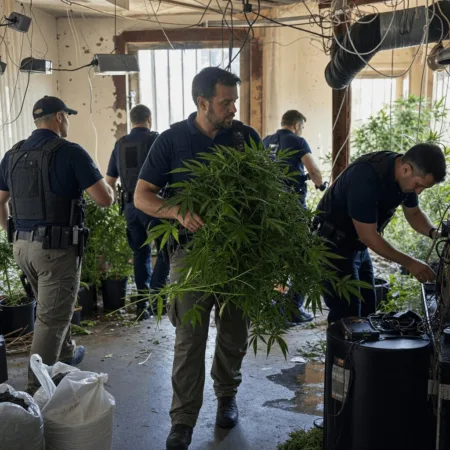
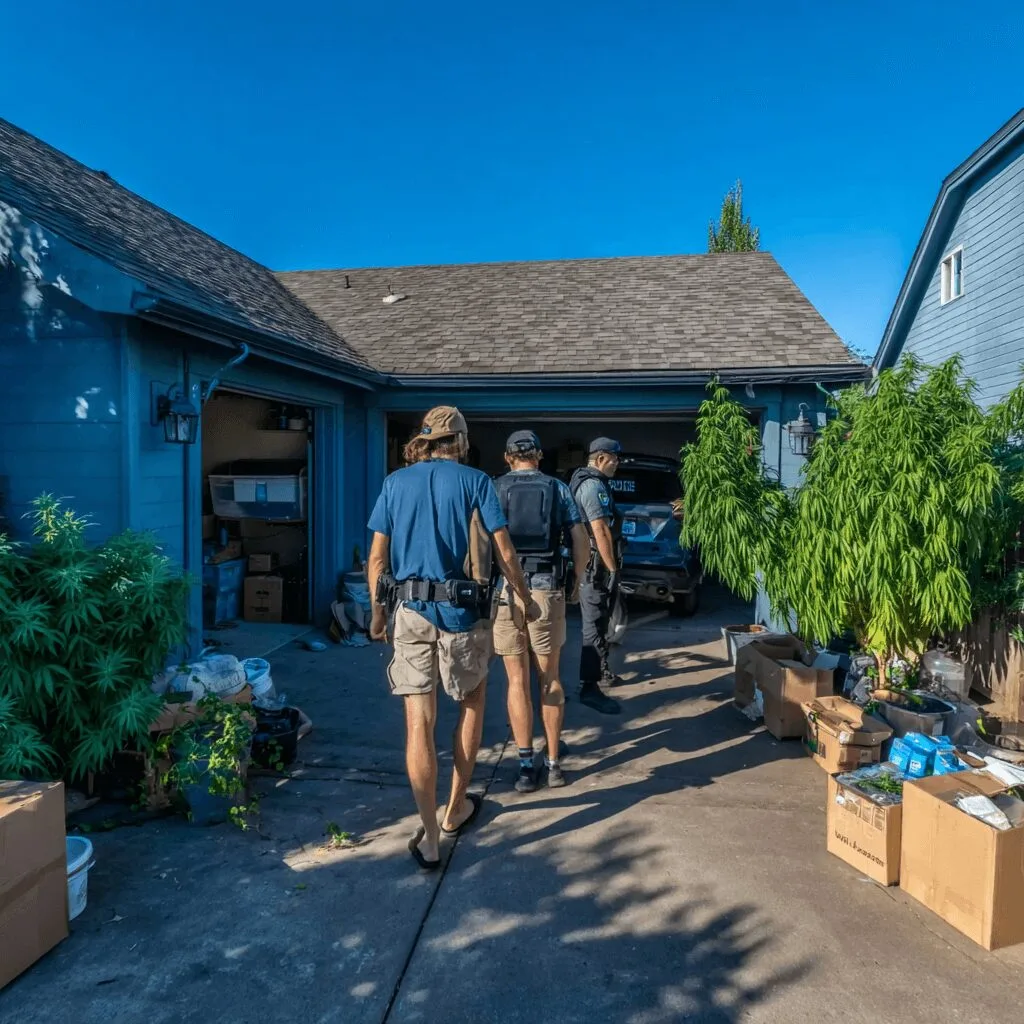
Earlier this week, a significant illegal marijuana grow operation was discovered during a routine police intervention in Grafton, Massachusetts. The Massachusetts State Police responded to an unusual volume of electrical usage and suspicious activity in a suburban neighborhood on June 13, 2024, according to WCVB News, a trusted local authority on New England events. Officers observed grow lights through a garage window and ultimately confiscated over 200 mature cannabis plants, along with growing equipment, nutrient solutions, and records indicating possible distribution channels. Recent policy shifts at the federal level, such as those discussed in this policy analysis on reform momentum, highlight the ongoing interplay between national attitudes and local enforcement. A male resident was detained on-site in casual clothes, as depicted in press-released images. Neighbors reported unusual comings and goings, but many were surprised at the scale. The state police noted the bust is one of the larger unlicensed grows seen in Grafton in recent years, highlighting the challenge of policing suburban illegal operations even as state-legal dispensaries expand.
Expert Analysis & Industry Insights on Illegal Marijuana Grow Operation
Let’s address the skunky truth, the persistence of illegal marijuana grow operations is a side effect of patchwork regulations and sky-high compliance costs. Many industry insiders aren’t shocked. As Marijuana Moment recently reported, ‘prohibition’s legacy and the difficulty of entering the legal market are still driving some growers underground.’ In an interview with the Boston Globe, Boston cannabis advocate Rachael Spanberger notes: “Legalization was supposed to bring everyone out of the shadows, but not everyone can afford the steep entry fees and zoning hurdles. If the regulated market isn’t accessible, folks will find other paths.” As detailed in this report on potential industry tax relief, high operational costs push some would-be legal growers to remain in the black market, especially in towns with few dispensary licenses. It’s not just about making a quick buck, it’s about surviving as smaller players in a rapidly corporatizing landscape. Enforcement remains strict, but as more legacy growers see pathways to legitimacy, the incentive for these types of illegal marijuana grow operations will (hopefully) wane.
Looking Ahead: A Greener, More Regulated Cannabis Future
The Grafton illegal marijuana grow operation bust is a snapshot of a transitional industry still ironing out kinks. Regulatory alignment, fair access, and social equity programs continue to evolve, making it easier—for those who want to—to join the legal market. While black-market activity persists, the future of cannabis in Massachusetts is moving unmistakably toward normalization, professionalism, and compliance. According to a recent Forbes industry outlook, increased state investment, streamlined licensing, and public education are making above-board operations more attractive than ever. As we move forward, expect a shrinking shadow market—and a growing culture of responsible, community-focused cultivation. Here’s to a future where stories like the Grafton bust become mere footnotes as legal operators lead the way for cannabis in Massachusetts and beyond.
Originally reported by: wcvb.com