





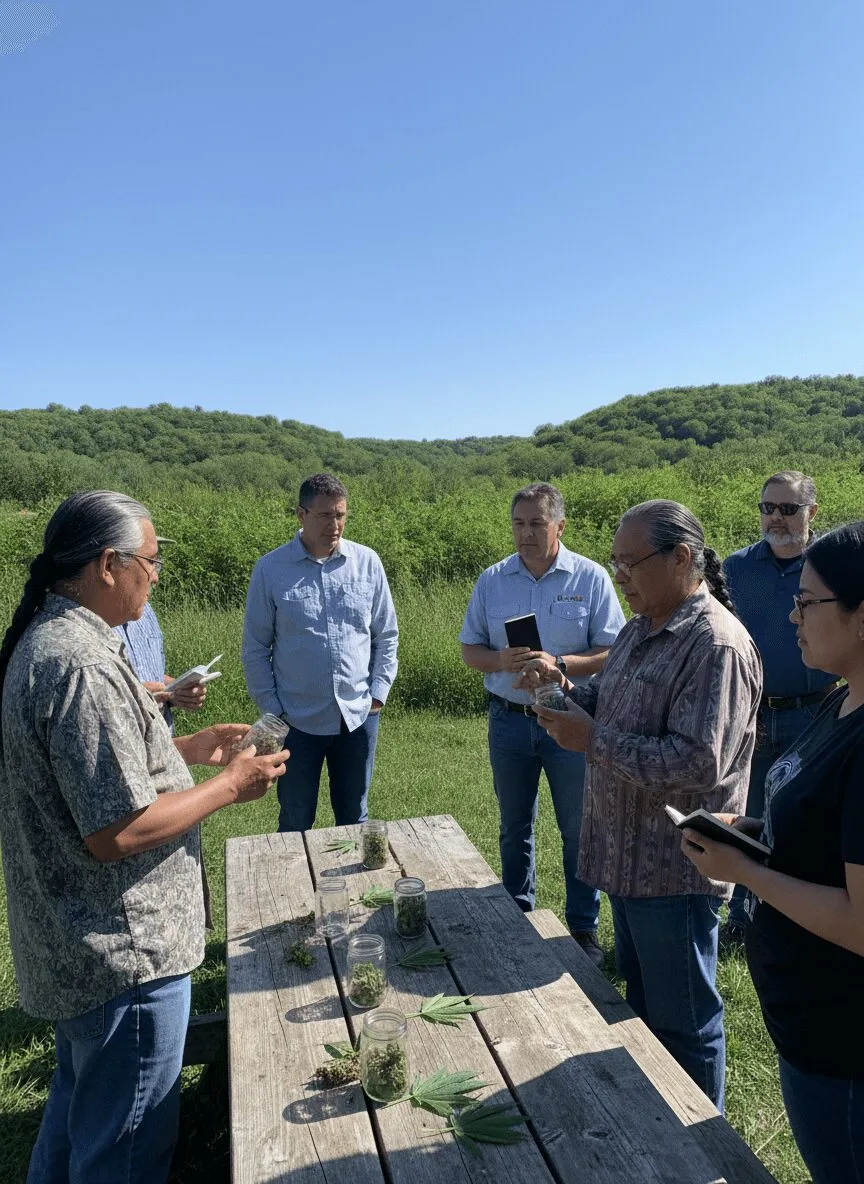
Nebraska tribe marijuana negotiation: Tribal Talks You Can’t Miss
If you care about cannabis progress, pay attention: the Nebraska tribe marijuana negotiation could mark a turning point for native sovereignty and marijuana policy in Middle America. With a heated policy landscape and evolving public sentiment, tribes are stepping up for fair talks and recognition of their cannabis rights. The debate is more than legal—it’s about economic opportunity, respect, and cultural autonomy. In this guide, we’ll break down what’s fueling the headlines, spotlight the nitty-gritty on the negotiations, and clue you in on what’s next for Nebraska and for indigenous cannabis reform.
Background: The Cannabis Climate in Nebraska, Tribal Sovereignty Meets Prohibition
Nebraska sits squarely in the heart of a national cannabis shift, but remains a holdout for legal marijuana. Despite growing movements across the U.S., with NORML and federal legislative watchdogs reporting nearly half the states have legalized or decriminalized cannabis, Nebraska law still bans recreational and medical use, keeping possession a criminal matter for most residents. But sovereign tribal nations operate under a different legal framework. As outlined by the U.S. Department of Justice, tribes have unique regulatory discretion, setting up inevitable clashes, and negotiations, with state officials. This dynamic makes Nebraska tribe marijuana negotiation notable, as tribes like the Winnebago and Santee Sioux explore regulated cannabis to support tribal economies and healthcare. These efforts echo moves toward reform seen in other states. Initiatives such as exploring cannabis for chronic pain relief may be relevant as tribal leaders assess healthcare benefits, similar to trends sweeping the nation, as covered by Marijuana Moment.
Key Developments: The Push for Good-Faith Cannabis Negotiation
The current chapter of Nebraska tribe marijuana negotiation kicked off when the Winnebago Tribe publicly requested formal negotiations with Governor Jim Pillen’s office. As originally reported in ICT News, the tribe wants to engage in what they call “good-faith” government-to-government talks, not just about tobacco compacts, but also about cannabis. Led by Winnebago Chair Victoria Kitcheyan, tribal leaders are leveraging their sovereignty to carve a path for regulated cannabis sales and use within their own borders. This isn’t just theory: the Winnebago Tribe already manages Ho-Chunk, Inc., a business arm known for its successful navigation of tobacco sales and healthcare. While Nebraska’s state government remains cautious, referencing drug enforcement priorities and federal uncertainty, the tribal call for negotiation echoes a wave of indigenous activism elsewhere, mirroring what’s happening in Washington and California as covered by The Washington Post. The importance of updated cannabis law is influencing tribal strategies, much like the recent changes in Virginia’s adult-use cannabis law and its regulatory developments. The core ask remains: dialogue, mutual respect, clarity, and the chance at new economic development.
Expert Analysis: Sovereignty, Economics, and the Cannabis Movement
So, what’s really at stake in the Nebraska tribe marijuana negotiation? Picture this: sustainable economic growth, improved community healthcare, and a blueprint for negotiating Native cannabis policy. Tribal ventures such as those pioneered by Ho-Chunk, Inc. are increasingly studied by industry analysts. In a Ganjapreneur profile, CEO Lance Morgan famously said, “Tribal sovereignty means innovation, and cannabis fits our tradition of economic survival.” These negotiations are no hand-waving, they’re strategic plays for culturally aligned health solutions and jobs, especially when a state like Nebraska lags behind on reform. Native American advocacy groups have pointed to successful tribal regulations in Oklahoma and New York as proof that collaborative governance works. Meanwhile, the rest of Nebraska could soon be surrounded by legal markets, amplifying the urgency. Of course, there are also regulatory safety considerations, as dispensaries across the nation address compliance with measures to ensure accountability and protection for consumers. Many look toward the intelligent cannabis security measures now standard in dispensaries as a practical solution. The challenge is always balancing state, federal, and tribal interests, but all eyes are on who blinks first in this high-stakes cannabis chess match.
Quote: “We’re not just negotiating for commerce, this is about sovereignty and self-reliance,”—Victoria Kitcheyan, Chairwoman of Winnebago Tribe (ICT News).
Future Outlook: Why Nebraska Tribe Marijuana Negotiation is a Big Deal
The Nebraska tribe marijuana negotiation feels like a watershed moment for indigenous rights and cannabis reform in conservative states. As more tribes assert their economies and cultural priorities, we’re likely to see an evolution from standoff to partnership—even in places slower to warm up to weed. Recent surveys by Pew Research Center show swelling public support for legalization across all demographics. That momentum will, sooner or later, force lawmakers—state or tribal—toward smart regulation and mutual gains. Keep an eye out: Nebraska tribes may end up rewriting the Midwest’s rulebook on cannabis. While plenty of legal skirmishes and honest debates still lie ahead, the future’s looking greener for both tribal communities and the entire Cornhusker State.
Originally reported by: ictnews.org



1 Comment
Pingback: Virginia marijuana legalization framework: What you must know