





Regulatory Landscape: Nebraska’s Path to Medical Marijuana Cultivation
Nebraska sits at a cannabis crossroads. The state remains one of the rare holdouts in the Midwest without formal medical marijuana access, despite broad public support. Decades of federal prohibition deeply influenced local laws, leaving Nebraska with some of the strictest statutes in the region. Neighboring states such as Illinois and Colorado have already created robust medical and adult-use marketplaces, driving patient migration and economic pressure. According to detailed analysis from Marijuana Moment, Nebraska’s evolving attitudes reflect a national shift: voters increasingly favor access, and legislators are feeling the heat. Across the Midwest, new cannabis festivals and public events, like the Twin Cities’ premier festival, are further fueling consumer interest. Currently, only select clinical trials and research programs, profoundly limited in scale, have skirted the absolute ban. The state has hosted several ballot initiatives and legislative debates, but political gridlock and opposition from top officials continue to stall the conversation. As advocates push for pragmatic, patient-focused reform, the path forward for Nebraska medical marijuana cultivation hinges on untangling restrictive laws, ending criminal penalties for patients, and establishing sensible licensing models.
Key Developments: Recent Legal Battles and Legislative Moves
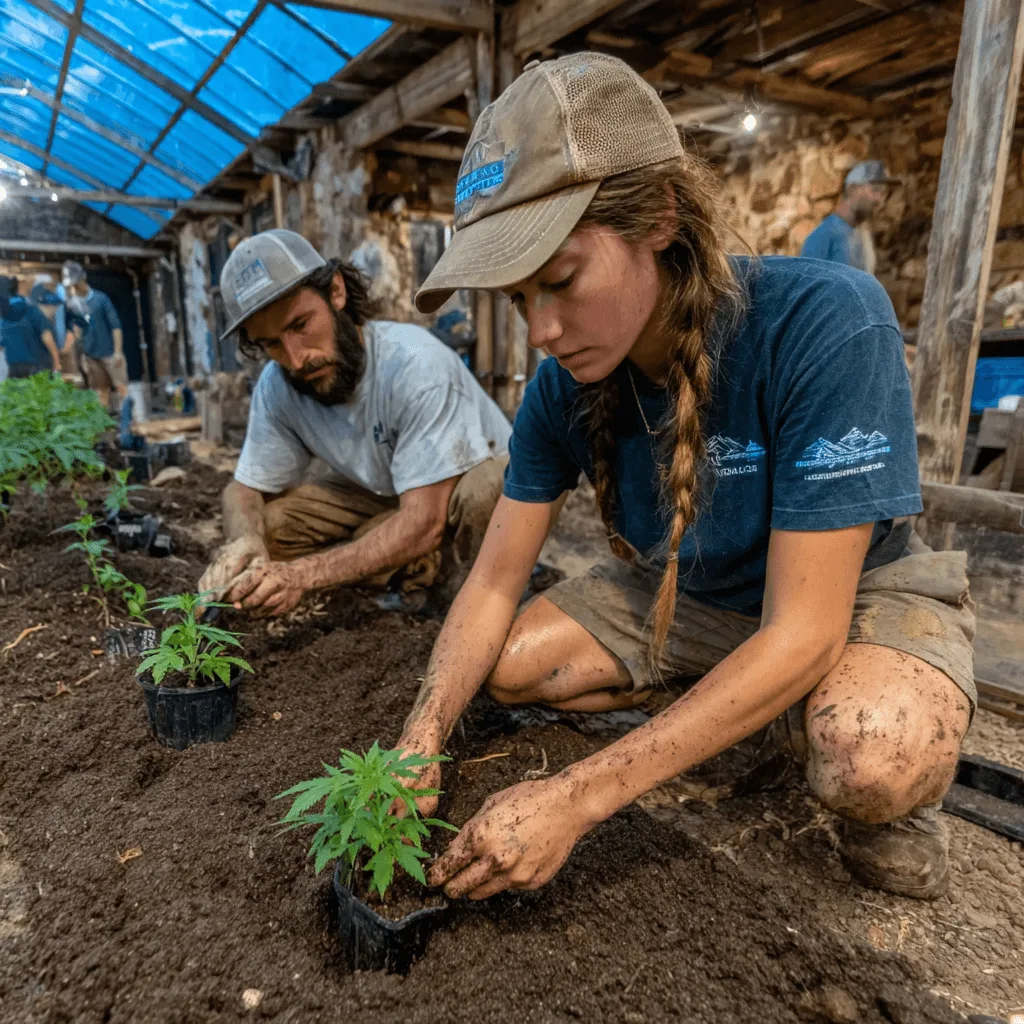
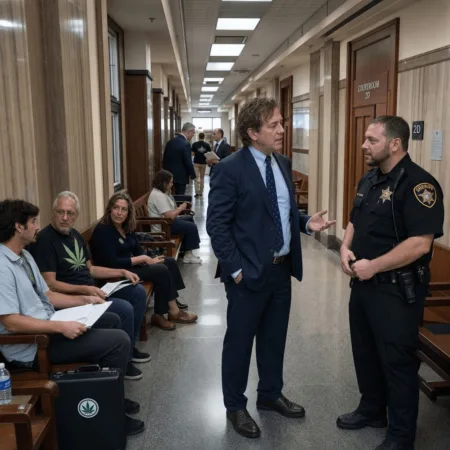
In 2024, Nebraska’s medical marijuana cultivation debate ramped up after lawmakers considered new bills addressing patient access and licensing. According to reporting from the Omaha World-Herald, legislative efforts were energized by passionate citizens and patient advocacy groups, including Nebraskans for Medical Marijuana. The group, led by state senator Anna Wishart, spearheaded petitions to put medical marijuana legalization and cultivation on the November ballot. Despite overwhelming petition support, lawmakers remain split. Recent recalls of CBD products, as highlighted in consumer alerts about gummies, have intensified calls for safe, regulated cannabis channels. Frustrations rose when restrictions surfaced in fresh legislative drafts, especially proposals blocking home cultivation and strictly limiting who may grow medically. According to Leafly, the 2024 session saw pushback from law enforcement and conservative lawmakers fearing mismanagement and increased youth access. Supporters called out these arguments, pointing to established regulatory blueprints in neighboring states. The current version of proposed legislation suggests only licensed operators may cultivate for dispensaries and medical providers, with individual patient growing still off the table. No final law has been passed as of June 2024, but advocates are keeping the pressure on and all eyes are on potential ballot measures poised to shake things up in November.
Expert Insights and Broader Cannabis Industry Trends
Nebraska medical marijuana cultivation is a microcosm of the nation’s broader cannabis evolution, a story of science, economics, and changing values. Industry experts like Dr. Amanda Reiman, a pioneer in cannabis policy research, assert, “The evidence is clear, regulation, transparency, and safe cultivation benefit patients and communities, not just markets.” Licensed cultivation in other states has empowered small farmers, slashed black-market risks, and generated funding for addiction treatment and community health. According to Marijuana Policy Project, every state that’s legalized medical cultivation created local jobs and supported patients who previously risked legal penalties for seeking relief. Communities resistant to change, like those described in Minnesota’s ongoing business challenges, illustrate how regulatory delays can lead to missed opportunities. Nebraska’s hesitance is increasingly out of sync with national trends. Industry data from Cannabis Business Times confirm surging patient demand for locally grown, high-quality cannabis. Meanwhile, experts warn that Nebraska’s failure to license growers could empower out-of-state black markets, reduce consumer safety, and deny economic growth.


1 Comment
Pingback: CBD Health Benefits: Unlocking Wellness for Seniors