





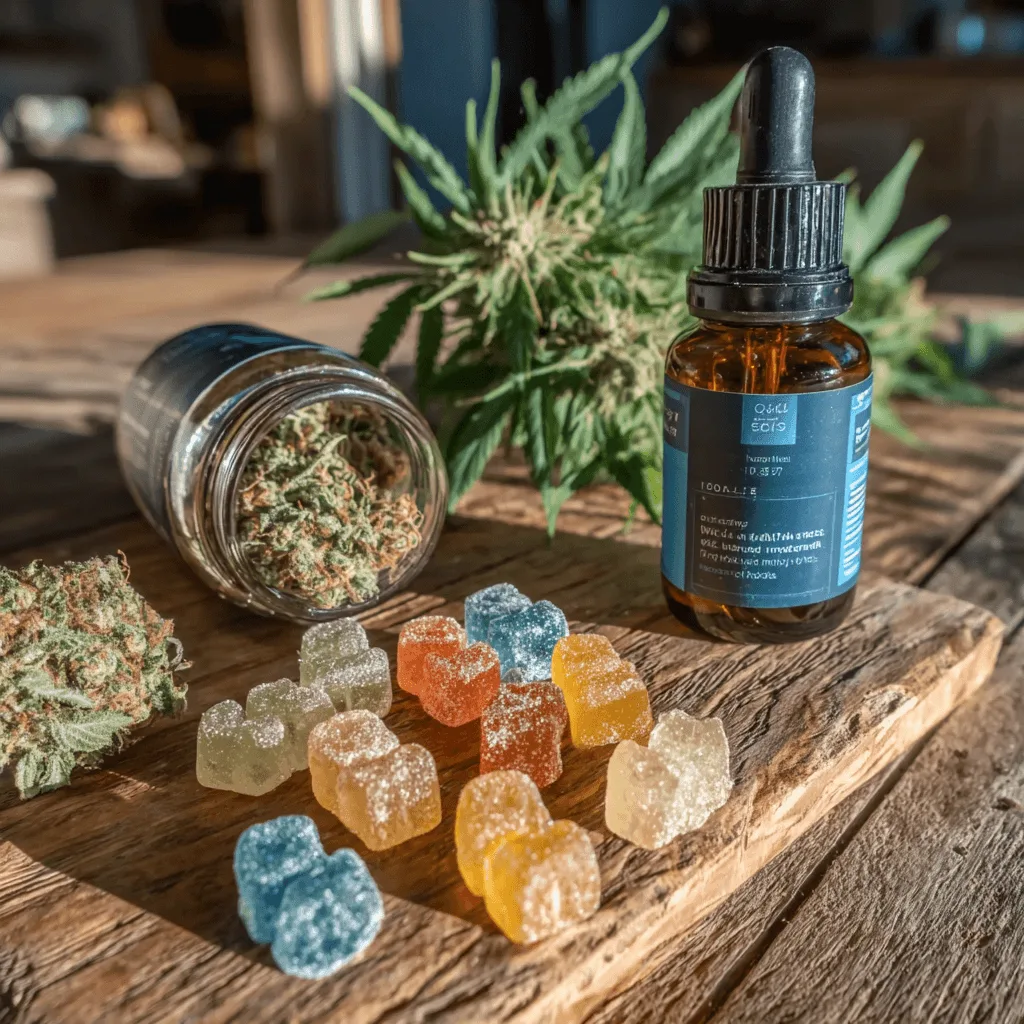
Regulatory Background: Why CBD Gummies Recalled Matters
So, what’s fueling all the “CBD gummies recalled” headlines? In the U.S., hemp-derived CBD is federally legal, but only under a tight set of conditions, per the FDA’s latest guidance. The tricky part is, edible CBD products like gummies are stuck in a legal gray zone. While the 2018 Farm Bill let hemp growers operate openly, the FDA hasn’t yet created comprehensive rules for CBD-infused foods. States handle things their own way, some have enabling regulations, while others outright ban edible CBD products. For more context about how rapidly shifting state and federal laws are impacting cannabis businesses, see recent developments like the Vermont Cannabis Advertising Lawsuit that ignite local debate. What’s more, consumer demand for convenient, tasty, and discreet CBD snacks has exploded. This creates both a huge opportunity and a risk, one that only strong oversight, testing, and transparency can fix. As NORML’s end-of-year review points out, product safety is one of the biggest actual challenges in today’s cannabis edibles market.
Key Developments: Breaking Down the CBD Gummies Recalled Crisis
Let’s talk straight facts. The surge of “CBD gummies recalled” alerts started after the FDA flagged several major products for potential health hazards in early June 2024. According to FOX 8 News, the recall involves gummies from multiple brands, especially those produced by several large manufacturers whose products are sold nationwide. Regulatory attention on retail operations has been at an all-time high, similar to the scrutiny faced in situations like the industry disputes in Hamilton that put local businesses in the spotlight.
- Recall Initiation: On June 5, 2024, following consumer complaints and FDA inspections, companies like Delicious CBD, Wellness Bears, and Just Chill CBD voluntarily pulled their gummies from shelves.
- The Trigger: The FDA issued the recall after tests revealed unapproved ingredients in some batches, along with labeling inconsistencies and possible contamination risks.
- Scope and Details: The recall affects CBD gummies with various flavors and potencies distributed across the U.S., with expiration dates ranging from late 2024 to mid-2025.
- Impacted Parties: Retailers nationwide, from gas stations to specialty dispensaries, were advised to stop selling the affected CBD gummies. Consumers were urged to discard them or seek refunds through the purchase channels.
The FDA has publicly posted updated recall information and guidance for consumers on its official recall page. The agency stresses that anyone who has experienced adverse reactions after consuming gummies from these batches should report symptoms and seek medical attention if needed. For those interested in public education efforts shaping perception, campaigns like the ongoing THC awareness movement are actively influencing the nationwide conversation.
Expert Analysis: Lessons & Insights for the Cannabis Industry
This “CBD gummies recalled” episode isn’t just a blip, it’s a stress test for the booming edibles sector. As CBD gets more mainstream, regulators and industry leaders alike want to draw clear lines between trustworthy products and outliers. Transparency, consistent testing, and third-party certification are the new gold standard.
Rachel Knox, MD, from the Oregon Cannabis Commission, put it bluntly: “If the industry wants real legitimacy, safety and consistency have to be non-negotiable.”
What’s striking is how the current situation shows good actors willingly stepping up. Most brands quickly issued their CBD gummies recalled notices and cooperated fully, according to Cannabis Law Report. This rapid response keeps consumer trust alive and sends a clear message to anyone cutting corners, it’s not worth the risk. For many, these recalls are a needed wake-up call. Now’s the time to invest in tighter supply chain controls, robust batch testing, and unambiguous labeling. If companies want to remain relevant as new anti-convulsant therapies and CBD research emerge, like the potential use of carvone derived cannabidiol anticonvulsants, these steps aren’t just regulatory box-checking, they’re smart business and essential for building real street cred in the cannabis world.

1 Comment
Pingback: Twin Cities Cannabis Event: Don’t Miss Midwest’s Largest Fest!