Music in Psychedelic Therapy: Surprising Truths You Must Know
Lately, everyone’s talking about music in psychedelic therapy—and it’s not just because your friend’s band finally got a gig in a mushroom retreat. As more states rethink laws around shrooms and cannabis, the soundtrack to a session is making headlines. Why? Because new research, policy moves, and that good old wave of public curiosity are bringing fresh eyes (and ears) to how music deepens the healing journey. If you care about the intersection of cannabis culture, wellness, and modern therapy, understanding music’s role here is like learning how terpenes affect your favorite strain. Let’s break down what’s real, what’s hype, and where this soothing trend is headed.
The Regulatory and Social Roots of Music in Psychedelic Therapy
The path to accepting music in psychedelic therapy has always been tangled—regulators, scientists, and culture all play their parts. In North America, the legal status of psychedelics has shifted. After decades of prohibition, Oregon became the first state to legalize supervised psilocybin therapy in 2020, inspiring similar efforts in Colorado and other states (Forbes, 2023). Meanwhile, Canada expanded medical MDMA and psilocybin access under compassionate use exemptions (CBC, 2021). As scientists legitimize psychedelics for PTSD, depression, and end-of-life anxiety, sessions are increasingly designed as whole experiences, not just quick fixes. Here, music isn’t some afterthought—regulators and clinicians now view it as an essential tool, not unlike the ceremonial use of cannabis or sacred plants found in indigenous traditions (NIH, 2019).
Key Developments Shaping Music in Psychedelic Therapy
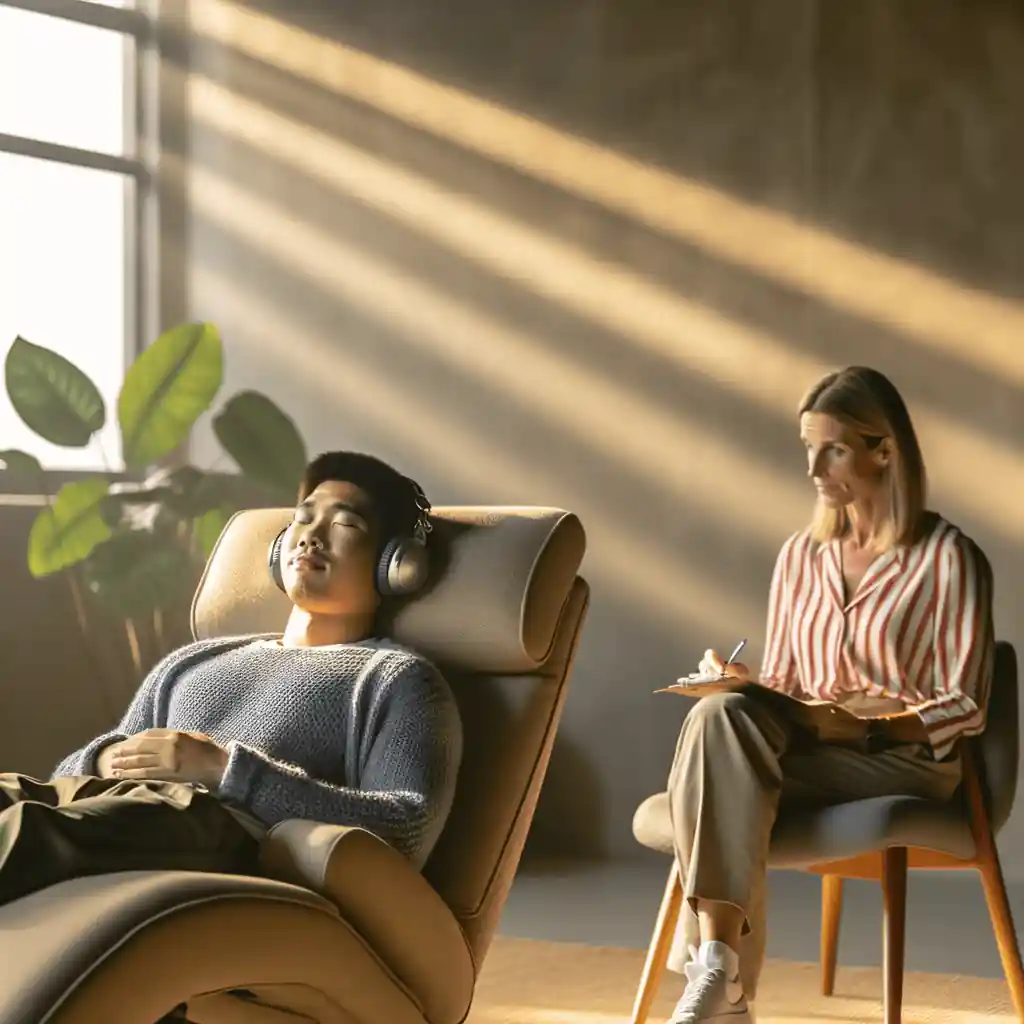
Let’s hit play on what’s gone down recently. According to a Frontiers in Psychiatry 2025 review, therapists are reporting that the type and structure of music dramatically influence how patients process psychedelic experiences. It’s not just about playing Pink Floyd or Ravi Shankar—guided playlists often tilt toward instrumental, culturally neutral tracks. In clinical settings, companies like MAPS Public Benefit Corporation have even formalized curated musical journeys for MDMA trials since 2021, emphasizing how tempo, melody, and even silence shape outcomes (MAPS). FDA guidance now includes environmental cues—music, lighting, and therapist demeanor—to safely guide participants in clinical psychedelic research (FDA, 2023). Major players are getting involved: SoundSelf, Wavepaths, and Lucid Therapeutics are designing AI-powered soundscapes and custom playlists for legal psilocybin and ketamine clinics nationwide. Recent news from Harvard Medical School (March 2024) points to distinct neural pathways being activated depending on what music is chosen during a trip, with possible links to longer-term mental health gains (Harvard Medical School, 2024).
What the Experts (and the Cannabis Crowd) Have to Say
The overlap between music in psychedelic therapy and cannabis culture isn’t lost on advocates like me. The core lesson? Both communities know set and setting are everything—and music, like a perfectly timed edible, elevates the mood. According to clinical psychologist Dr. Mendel Kaelen, a pioneer in psychedelic music curation, “Music can amplify the emotion, open new windows of insight, and instill a sense of meaning that persists long after the session ends” (Rolling Stone Interview, 2021). For cannabis folks, this sounds familiar—think about vibing out to your favorite album during a microdose. The cannabis industry also tracks the broader push for holistic wellness trends, as “set and setting” continue showing up in dispensary education and marketing. Experts believe the synergy between psychedelics, music, and cannabis experiences may lay the groundwork for new, integrative therapies. The stigma around altered states is fading, in large part because the mainstream now sees value where counterculture always has—backed by science, supported by evolving laws, and energized by fresh research. As reported by Leafly, “Cannabis users are among the first to understand the ‘playlist as medicine’ concept, and their advocacy is helping normalize it for psychedelics, too.”
Where Music in Psychedelic Therapy and Cannabis Are Headed Next
So what does the future hold for music in psychedelic therapy (and cannabis enthusiasts who care)? We’re looking at a landscape where legalization is picking up speed, therapy protocols keep evolving, and the integration of music is only getting deeper. Ongoing clinical trials—many now blending cannabis and psychedelic research—suggest that the best sessions treat music as medicine, not background noise. According to Marijuana Moment, cross-industry collabs are already happening, and the mainstream is paying attention. From increased FDA guidance to the growth of legal therapy centers in Oregon, Colorado, and potentially California, the future’s bright for those hoping to see music, psychedelics, and cannabis become pillars of the modern wellness movement. Keep an eye on this growing symphony—because as anyone who’s ever sparked a joint with Dark Side of the Moon knows, the right music always makes the experience. And now, the research—and regulators—are finally catching up.
Originally reported by frontiersin.org