





Morocco legal cannabis export: How the nation eyes a global boom
As the world’s green revolution accelerates, Morocco’s ambitions for legal cannabis export have turned global heads. Recent export reforms put Morocco on the verge of becoming a legal powerhouse in regulated cannabis trade, aiming to legitimize an age-old crop while drawing in new investors. Regulatory changes, combined with increased international demand, force both the global cannabis sector and policymakers to pay close attention. This article lays out the latest context, pivotal developments, and why Morocco legal cannabis export is a trend to watch right now.
From Illicit Crops to Legal Markets: The Context for Morocco Legal Cannabis Export
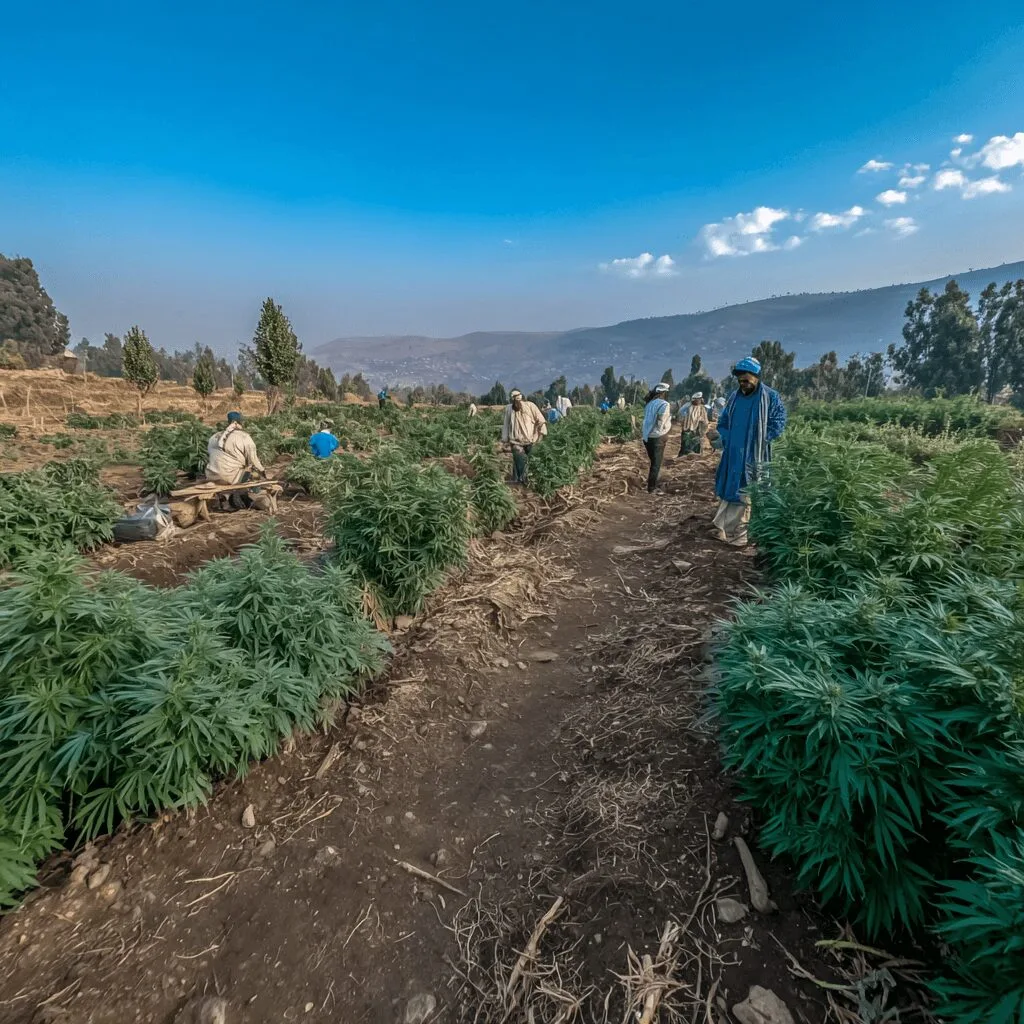
Morocco’s relationship with cannabis spans centuries, with the aromatic kif fields of the Rif mountains as legendary as any historic coffee shop in the Netherlands, contributing significantly to the global cannabis narrative. Yet, until very recently, most Moroccan cannabis farming operated strictly underground, fueling Europe’s black market in much the same way that certain U.S. states wrestle with evolving marijuana regulations, as seen by how recent debates in Ohio highlight the complex transition from prohibition to regulated markets. According to the United Nations Office on Drugs and Crime, Morocco has long stood as the world’s largest supplier of illicit hashish. But tides have turned rapidly. In 2021, Morocco legalized cannabis cultivation for medical, industrial, and export purposes, signaling an end to decades-old prohibitions. The government has since established the National Agency for the Regulation of Cannabis Activities (ANRAC), granting licenses and crafting export guidelines to wrestle the sector out of the shadows. Social acceptance is mixed, with older generations remaining skeptical, while younger Moroccans champion regulated cultivation as a path to economic revival and rural stabilization. As Europe and North America open new legal cannabis markets, Morocco is uniquely positioned for a regulatory leap, aiming to harmonize local traditions with global compliance.
Pivotal Moves and Current Issues in Morocco Legal Cannabis Export
Early 2024 witnessed truly significant progress for Morocco legal cannabis export. ANRAC approved the first official export licenses, green-lighting shipments of Moroccan-grown cannabis for medical and industrial processing abroad. According to Reuters, the Kingdom initially granted ten licenses to local farmer cooperatives, covering nearly 300 hectares of cannabis fields. These measures target exports to the lucrative German, Canadian, and potentially even Israeli medical cannabis markets—an international outlook that reflects innovations in regulatory frameworks, similar to the changes happening in American cities where marijuana consumption spaces are evolving to address new consumer demands. Key events include the inauguration of quality control labs, the registration of farmers, and state-led public education campaigns to clarify legal changes. The framework legalizes cultivation only in specified northern provinces, leaving legacy growers outside those zones frustrated. Meanwhile, critics voice concern over market access, export quotas, and potential corporate influence. Lawmakers stress that only Alfa-certified cooperatives, with traceable supply chains, will be authorized to participate. The government plans to double the number of approved cooperatives within a year, signaling the sector’s imminent expansion according to legal bulletins at MAP.
Expert Analysis and Insights into Morocco Legal Cannabis Export
Industry insiders see Morocco legal cannabis export as both pragmatic and visionary, offering win-win outcomes for rural farmers and state coffers alike. By transitioning long-marginalized growers to legal status, Morocco is not just cleaning up its domestic industry, it’s leveraging its agricultural heritage for global influence. Géraldine Schwarz, lead analyst at MJBizDaily, explains, “Morocco’s move isn’t just historic, it could drive down illicit trade in Europe while uplifting entire communities at home.” The trend aligns with a global momentum: as Forbes reports, legalizing exports can position Morocco as a major disruptor in the world’s cannabis supply chain. This transition brings challenges, including fair pricing, risk of foreign monopolies, and the need to convert small-scale know-how into pharmaceutical supply. Nonetheless, as global markets eye consistent, cost-effective sources, Morocco’s experience and favorable climate make it a strategic contender. In this context, broader medical research—such as findings presented in recent studies on marijuana’s medical impact—further underscores the importance of rigorous, science-driven approaches in shaping long-term cannabis policy. The government’s incremental approach, prioritizing medical and industrial uses, focusing on certified cooperatives, and embedding traceability into every crop, puts Morocco’s cannabis model under the global microscope.
Looking Forward: The Future of Morocco Legal Cannabis Export
Morocco legal cannabis export is poised to reshape both national fortunes and international cannabis flows. By anchoring cannabis production to legal frameworks, Morocco is helping to erase decades of stigma, attract ethical investment, and catalyze social progress. As regulatory tweaks evolve and more farmers participate, industry observers expect exponential growth in both export volumes and local prosperity. According to a Prohibition Partners report, Morocco could soon command a multi-billion-dollar share of the legal cannabis market. For consumers, investors, and advocates alike, Morocco’s shift from underground to legit sets a bold new standard. If current momentum holds, Morocco’s cannabis fields may soon be as renowned for compliance and quality as they are for tradition.
Originally reported by: rmoutlook.com


1 Comment
Pingback: Kentucky medical cannabis dispensary: Experience the First in KY