





Minnesota multi-fatality crash: Shocking details emerge
Let’s talk real talk: the Minnesota multi-fatality crash has everyone in the cannabis world—and beyond—taking a pause. Why? Because it’s a collision of more than just vehicles: regulatory uncertainties, social perceptions, and the ongoing evolution of cannabis normalization are suddenly front-page news. This situation puts both the risks and realities of rural driving, and the need for sensible cannabis education, in sharp focus. As news broke about a horrific incident in southwestern Minnesota involving 14 people and multiple fatalities, it’s clear we need not just empathy, but real solutions. Here’s what happened, why it matters for cannabis enthusiasts, and where we go next.
The Regulatory & Social Backdrop, Why Minnesota Matters
Minnesota is no stranger to cannabis controversy. Legalization battles have simmered for years, with shifting tides making headlines as lawmakers signed adult-use cannabis into law in May 2023 (MPR News). But the gray area between full cultural acceptance and state regulation means cannabis users, patients, and advocates face obstacles, from patchwork enforcement to confusion over possession in vehicles. Nationally, states like Colorado and California have paved the way on cannabis and road safety, but Minnesota is still ironing out the details. A growing rural cannabis culture intersects with old-school attitudes and a lag in public health education about modern cannabis consumption and impairment. Experts, like those quoted by NORML, stress the importance of nuanced, data-driven policy and ongoing community outreach to avoid conflating responsible use with reckless behavior. Further regulatory details relevant to new and established businesses can be found in this essential guide to getting started with Minnesota hemp business licenses. The stakes for liberty, social justice, and public safety are all in play.
Key Developments in the Minnesota Multi-Fatality Crash
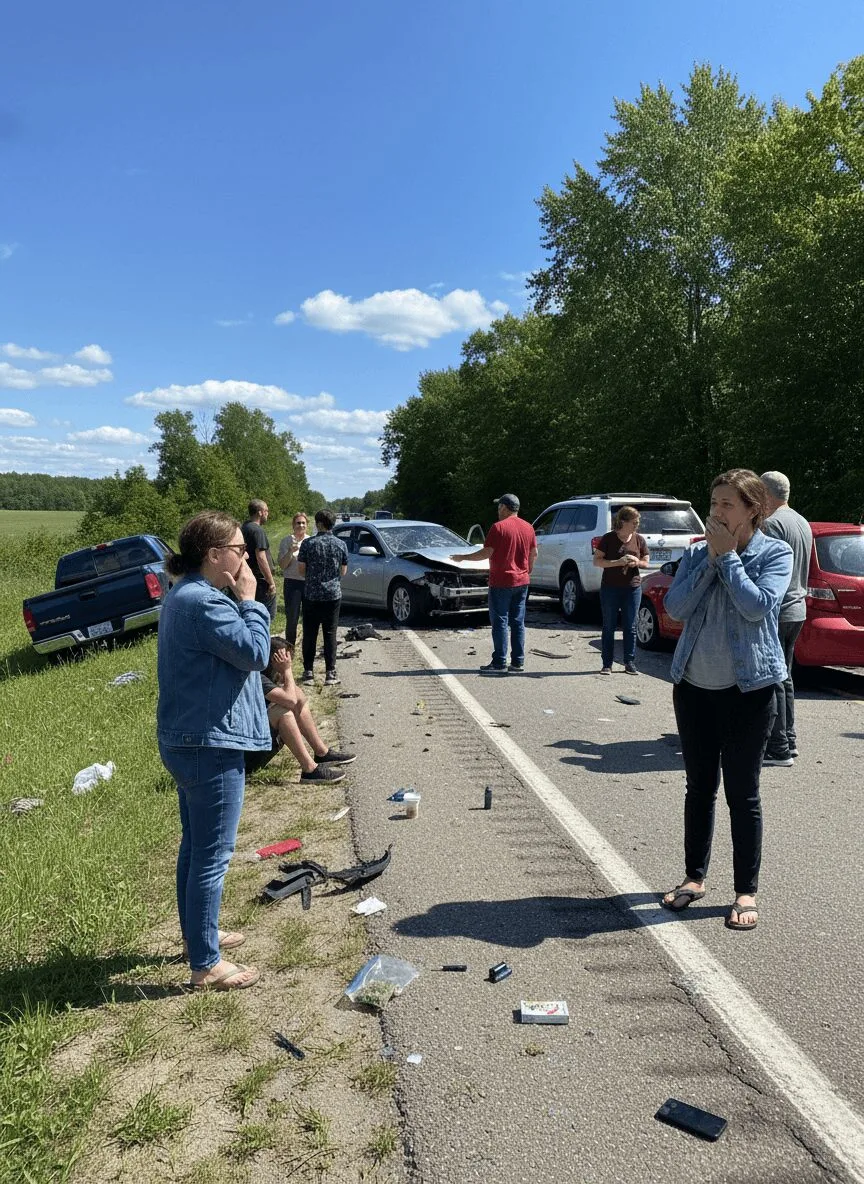
According to Bring Me The News, tragedy struck hard on a rural highway with a Minnesota multi-fatality crash involving 14 individuals spanning various ages and backgrounds. Multiple vehicles were involved in the incident, which left at least five people dead, others hospitalized, and the entire region reeling. Eyewitnesses describe chaos and confusion: survivors standing in shock, calling loved ones, comforting each other, and grappling with the immediate aftermath as responders swarmed the crash site. Notably, unfiltered images from the scene portray everyday realities, such as personal cannabis items like rolling papers, pouches, and vape pens found among the wreckage, a stark reminder of cannabis’s ubiquity in today’s rural America. The investigation is ongoing, with authorities focusing on speed, vehicle condition, distracted driving, and the potential role of substances, including cannabis. While no official statement connects cannabis directly to the cause, its presence is already shaping public conversation. Broader questions about law enforcement methods and regulatory approaches are reminiscent of recent debates ignited by controversial raids and cannabis regulation disputes across the country.
Expert Analysis, Cannabiz Humanity, and Social Perspective
When big news crashes into the cannabis conversation, it’s easy for critics to revert to knee-jerk stereotypes. But as Marijuana Moment notes, “Responsible use is not defined by prohibition but by robust education and community support,” says cannabis policy analyst Tara Matthews. “Crashes like the Minnesota multi-fatality crash underscore the need to keep conversations grounded in facts, not fear-mongering.” For the cannabis community, the lesson is clear: accidents happen, lives are changed in a split second, but context matters. Visible cannabis doesn’t equate to impaired driving. Ongoing research, as reported by NORML, reminds us that determining cannabis impairment behind the wheel is nuanced, much less straightforward than alcohol. Instead of weaponizing tragedy, we should advance evidence-based training for law enforcement, normalize responsible use, and promote honest dialogue about risk, reward, and respect for life. Insights from studies that challenge typical notions around cannabis and human attention, such as the most recent findings overturning common assumptions about cannabis and cognitive effects, further illustrate the need for research-driven policy. This crash challenges us all to strike the right balance.
Looking Forward: Cannabis, Community, and Safer Highways
In the aftermath of the Minnesota multi-fatality crash, the cannabis world stands at a crossroads—compassion in one lane, change in the other. Public safety matters, but so does breaking old stigmas tied to responsible cannabis use. Minnesota’s regulatory future, as tracked by Leafly News, looks bright: education, better roadside protocols, and community-driven harm reduction can foster safer roads while honoring freedom. By staying proactive, transparent, and united, the entire industry can turn tragedy into transformation, keeping both cannabis culture and highways moving forward with humanity and hope.
Originally reported by: bringmethenews.com


1 Comment
Pingback: Grand Junction pawn shop burglary shocks locals—what happened next?