





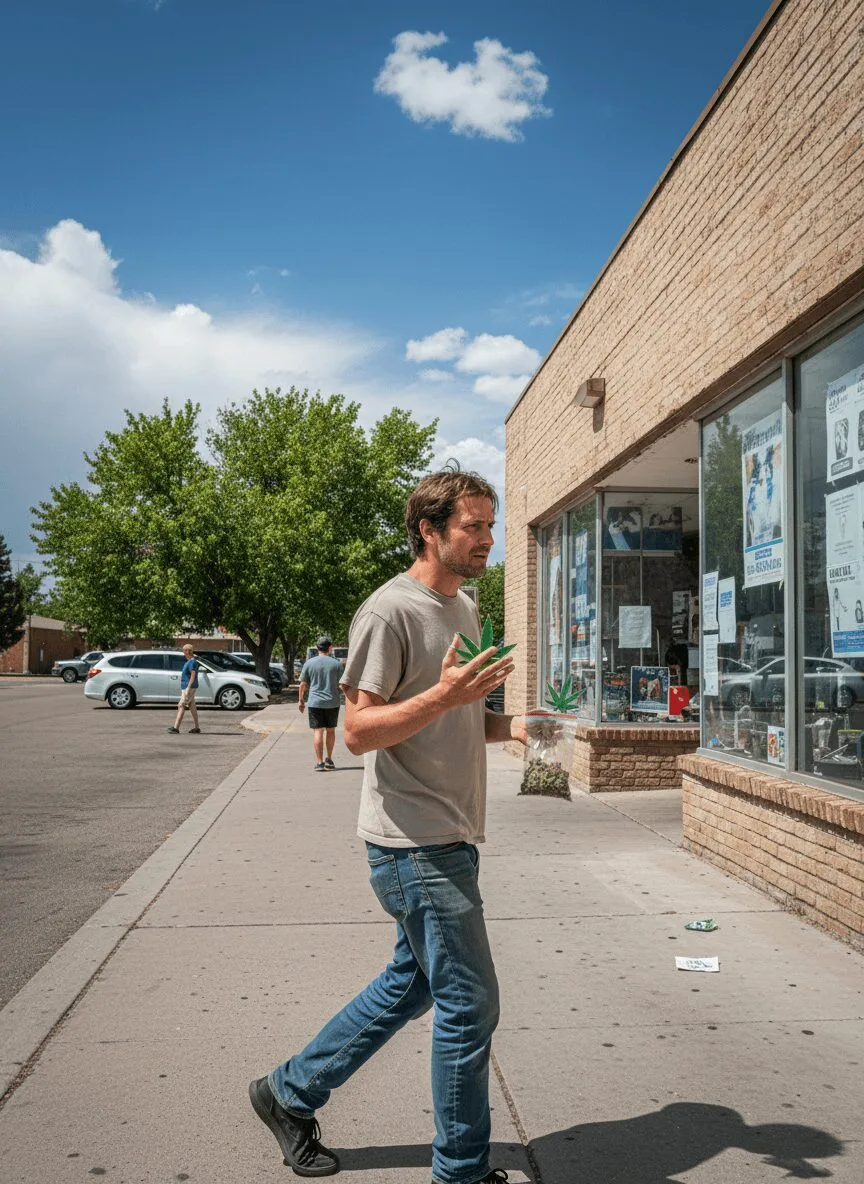
Grand Junction pawn shop burglary shocks locals—what happened next?
Right now, the Grand Junction pawn shop burglary is making waves in the cannabis community and beyond. As legalization efforts expand and local markets adjust, cannabis-friendly towns like Grand Junction face new challenges around security and stigma. This incident brings important questions—how do criminal acts shape public perception, impact local businesses, and influence conversations about personal freedom, regulation, and responsibility? Let’s break it down, hit the hard facts, and explore what it all means for both cannabis advocates and everyday Coloradans.
Understanding the Landscape: Cannabis, Community, and Law
Grand Junction sits at a unique crossroads for cannabis regulations and local business environments. Since Colorado’s legalization in 2012, the region has seen a blend of cautious optimism and traditional skepticism, especially among small business owners and law enforcement (Colorado Department of Revenue – Marijuana Enforcement Division). Pawn shops, often seen as economic lifelines and community fixtures, operate under intense scrutiny due to their role as cash-based businesses and their links to second-hand goods laws (National Pawnbrokers Association). Meanwhile, the social environment has been shifting: cannabis use is more socially accepted, but fears of crime or property offenses still ripple through communities when incidents like the Grand Junction pawn shop burglary hit the news. Communities nationwide have faced similar turning points, such as the recent Oklahoma law enforcement raid on marijuana operations, which sparked public debate on cannabis regulation and rights. Toss in new waves of out-of-state visitors, a thriving medical market, and increased local activism, and you’ve got a backdrop as complex as a classic hybrid strain.
Key Developments: Breaking Down the Grand Junction Pawn Shop Burglary
According to reports from KKCO11 News, the Grand Junction pawn shop burglary occurred on March 23, 2026, sending shockwaves through this tight-knit Western Slope town. A local man was arrested after attempting to break into a well-known pawn shop, failing to bypass reinforced doors and leaving evidence, such as used cannabis wrappers and a small cannabis baggie, at the scene. The suspect, identified by authorities, faces multiple charges related to attempted burglary and possession of a controlled substance. No property was ultimately taken, and the pawn shop, taking cues from best practice guides like those published by Pawnbrokers Today, quickly tightened security. Community members responded swiftly, many expressing concern but also spotlighting the broader complexities that cannabis normalization brings to small-town life. For example, other regions have experienced dramatic property crimes that became focal points for discussions about public safety and cannabis, such as the shocking aftermath of multi-fatality incidents involving community impact. Legal filings referenced by Colorado state courts confirm the ongoing criminal case and highlight connections between enhanced security protocols and cannabis presence near commercial properties.
Expert Cannabis Industry Analysis: What Does It All Mean?
As someone with two decades in this space, I’m no stranger to the nuanced debate around cannabis and public safety. Industry experts point out that, while isolated incidents like the Grand Junction pawn shop burglary capture headlines, crime rates in legal cannabis states have not spiked overall. According to Leafly’s in-depth analysis, “There’s no clear link between cannabis legalization and property crimes,” says Bruce Barcott, Leafly’s senior editor. The pawn shop burglary case underscores a challenge for communities transitioning from legacy mindsets to embracing cannabis as a normal, regulated part of daily life. Locally, regulations mandate complex compliance procedures for business owners—think security upgrades, inventory tracking, and surveillance requirements—whether you’re a dispensary, pawn shop, or any other small retailer. Meanwhile, as recent research continues to evolve, new findings can change our perspective on how cannabis affects attention and behavior, much like the study challenging assumptions about cognitive effects and societal impact. From my vantage point, the media’s focus on cannabis-related evidence may campaign on outdated fears, when the real conversation should be about supporting safe, thriving, collaborative communities. That’s how we keep moving the cannabis industry forward in a responsible, positive light.
Looking Ahead: Positive Change and Opportunity in Grand Junction
While the Grand Junction pawn shop burglary stirred local headlines, the real story lies in the ongoing evolution and acceptance of cannabis culture within responsible, law-abiding frameworks. Incidents like this offer opportunities for communities to learn, adapt security practices, and dispel lingering myths about cannabis. Statewide, legislators and businesses continue refining regulatory models to discourage crime while supporting personal freedom—Marijuana Moment regularly reports on progressive changes and success stories across Colorado. As consumers, advocates, and entrepreneurs, we have a collective stake in celebrating wins, addressing concerns, and keeping the dialogue real and respectful. With eyes on innovation and unity, Grand Junction remains poised to thrive—proof that the cannabis industry can anchor safer, smarter, and more inclusive communities well into the future.
Originally reported by: kkco11news.com


1 Comment
Pingback: Susan Straight California writing: Explore Untold Stories