





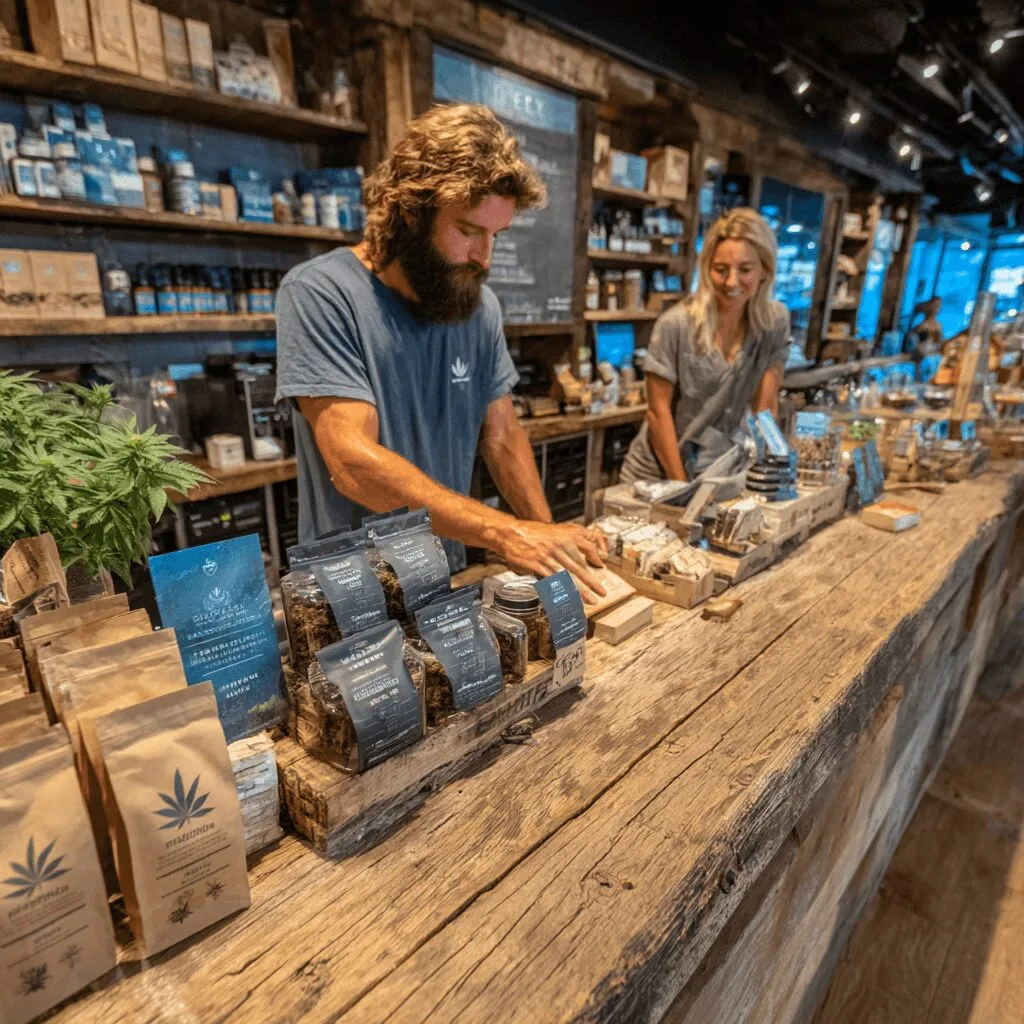
Minnesota dispensary cannabis shortage: How severe is it?
The Minnesota dispensary cannabis shortage is top of mind for anyone following the state’s rapidly evolving cannabis scene. With new laws rolling out, dispensaries are feeling the pinch—leaving customers and business owners alike questioning just how tough things might get. Recent developments, legal changes, and real-time supply challenges have combined to make this not just a market problem but a conversation about regulation, small business survival, and the future of Minnesota’s cannabis community. Let’s break down everything you need to know about the shortage, who’s involved, and what it means for consumers and the market.
The Roots of the Minnesota Dispensary Cannabis Shortage: A Regulatory Deep Dive
The current Minnesota dispensary cannabis shortage didn’t just appear overnight, it’s tied to complex regulatory and legal changes. Since Minnesota legalized adult-use cannabis in 2023, a patchwork of licensing requirements, supply-chain regulations, and social equity provisions has shaped today’s marketplace. According to MPR News, state officials have worked to ensure that small and minority-owned dispensaries get a fair shot. Yet high barriers to entry and a cautious regulatory approach have slowed down both the approval of new growers and the distribution pipeline. Notably, some local dispensaries emphasize the risks of inadvertently dealing with unlicensed operations, as recent warnings about illegal dispensary scams in other states illustrate. Local governments also hold significant sway, often adding extra layers of permits or restrictions. These factors, combined with surging demand, have put unique pressure on independent shops. This regulatory tightrope means supply is slow to catch up, and consumers are feeling it at the counter.
From Backrooms to Boardrooms: Key Developments Behind the Shortage
Let’s get real about the events causing the Minnesota dispensary cannabis shortage. On October 17, 2025, MPR News reported a dramatic crunch in supply, especially for small, independent dispensaries. Retailers like North Star Dispensary and Ganja Grove are reporting that product wholesalers can’t fill their orders, while growers say state license backlogs and regulatory slow-walks are tying up production. Customers are lining up at opening hours, only for many to leave empty-handed as shelves quickly run bare. According to MPR, some dispensary staff are tracking every last eighth of flower and rationing edibles. In the midst of these disruptions, some voices have raised concern about social perceptions, as seen in thoughtful discussions on how industry narratives evolve and influence the public, similar to recent analysis on Stockholm syndrome and the cannabis industry. Retailers are particularly vocal: North Star owner Jamie Chen explained that price hikes are hitting loyal customers, and many patients are being turned away. State regulators have acknowledged the bottlenecks, pointing to limited licensed cultivators, compounded by stricter-than-expected testing and packaging requirements. Despite these hurdles, the demand has not slowed. The shortage is impacting not just recreational buyers but also medical patients who now find some of their preferred products out of stock for weeks.
Seeing the Forest for the Trees: Expert Analysis and Industry Insights
It’s easy to point fingers during a Minnesota dispensary cannabis shortage, but there’s a bigger picture. As Leafly industry analysts state, “Every legal market goes through early supply woes, shortages, price spikes, and regulatory growing pains are all part of this unique industry’s lifecycle.” Long waits for licenses, slow-growing initial harvests, and high compliance costs are par for the course, especially in new markets.
Jill Lewis, editor at Cannabis Business Times, puts it bluntly: “For Minnesota, this is more a sign of robust demand and tight controls, not the collapse critics fear.” (Cannabis Business Times). As the shortage continues, it’s worth noting how neighboring states have struggled with abandoned marijuana grow sites and the environmental impact, providing lessons for Minnesota’s evolving market like Oklahoma’s grow cleanup challenges. Independent operators, especially those built on social equity, are pushing for streamlined regulation and partnerships with local cultivators. Meanwhile, consumers remain passionate and persistent, keeping pressure on policymakers to ease up on bottlenecks. Lessons from established markets like Illinois and Massachusetts show that supply stabilizes as regulations catch up, more cultivators are approved, and the distribution chain matures.
Looking Ahead: Solutions and Silver Linings for Minnesota’s Cannabis Community
Despite the current Minnesota dispensary cannabis shortage, there’s reason for optimism. Lawmakers are already reviewing proposals to approve more cultivation licenses and streamline product testing, as recently discussed in Star Tribune reporting. Forward-thinking businesses are investing in local infrastructure, vertical integration, and new community partnerships. Consumer advocacy groups, retailers, and producers are increasingly united in their requests for regulatory adjustments that will support a steady, reliable supply for all. Most importantly, the cannabis community’s resilience is stronger than ever—demonstrating growth, grit, and the unmistakable energy that comes with legalization. With regulatory tweaks, ongoing public engagement, and lessons learned from other states, Minnesota’s shortage will eventually subside, giving way to a greener, more stable future for dispensaries and consumers alike.
Originally reported by: mprnews.org

2 Comments
Pingback: THC infused craft beer: The Colorado Brew Revolution
Pingback: Cannabis Opioid Substitution Cancer: What Patients Need to Know