Illegal Dispensary Scam: How to Spot Fake Cannabis Shops
The cannabis wave has reshaped cities, with legal dispensaries popping up everywhere. But where there’s hype, there are hustlers. The illegal dispensary scam is crashing into the industry, making it crucial for everyday consumers to know how to spot fakes. With increased enforcement, a flood of first-time buyers, and ongoing regulatory shifts, learning how to recognize illegal operations isn’t just smart—it’s essential. We’ll break down what’s happening, how to protect yourself, and why it matters more than ever right now.
Why Illegal Dispensary Scams Are Spiking: The Regulatory, Social Context
Legal cannabis markets in the U.S. have grown alongside complex state and local regulations. States like California and Illinois have licensing structures and compliance requirements designed to protect consumers. However, according to MJBizDaily, inconsistent enforcement and patchy public education leave room for bad actors. Social acceptance has soared, but many consumers, especially newcomers, can’t always spot the difference between a legitimate dispensary and a convincing fake. Lawmakers continue to debate how much oversight is enough, balancing access with safety, making illegal dispensary scam risks more real than ever.
Adding to that confusion, cities often have lookalike, unlicensed storefronts operating right alongside legal shops. This “gray market” gets fueled by patchwork zoning laws, legacy prohibition-era distrust of authorities, and quick profit incentives. As the cannabis boom accelerates and new markets come online, the number of illegal dispensary scams spinning up has followed the cash flow, putting unwary shoppers in the crosshairs. Similar trends can be observed when examining how past regulatory gaps led to environmental issues in markets like Oklahoma, as highlighted in discussions around overlooked environmental challenges from abandoned cannabis grow operations.
Inside the Latest Illegal Dispensary Scam: Key Developments, Core Facts
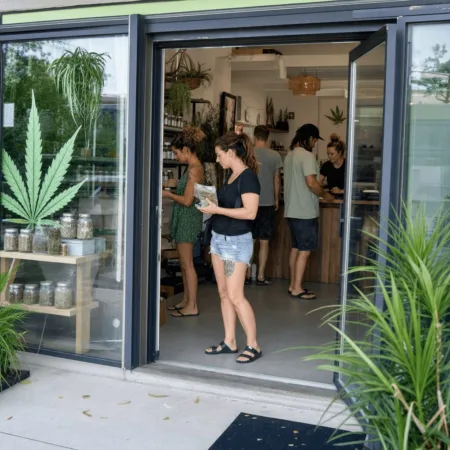
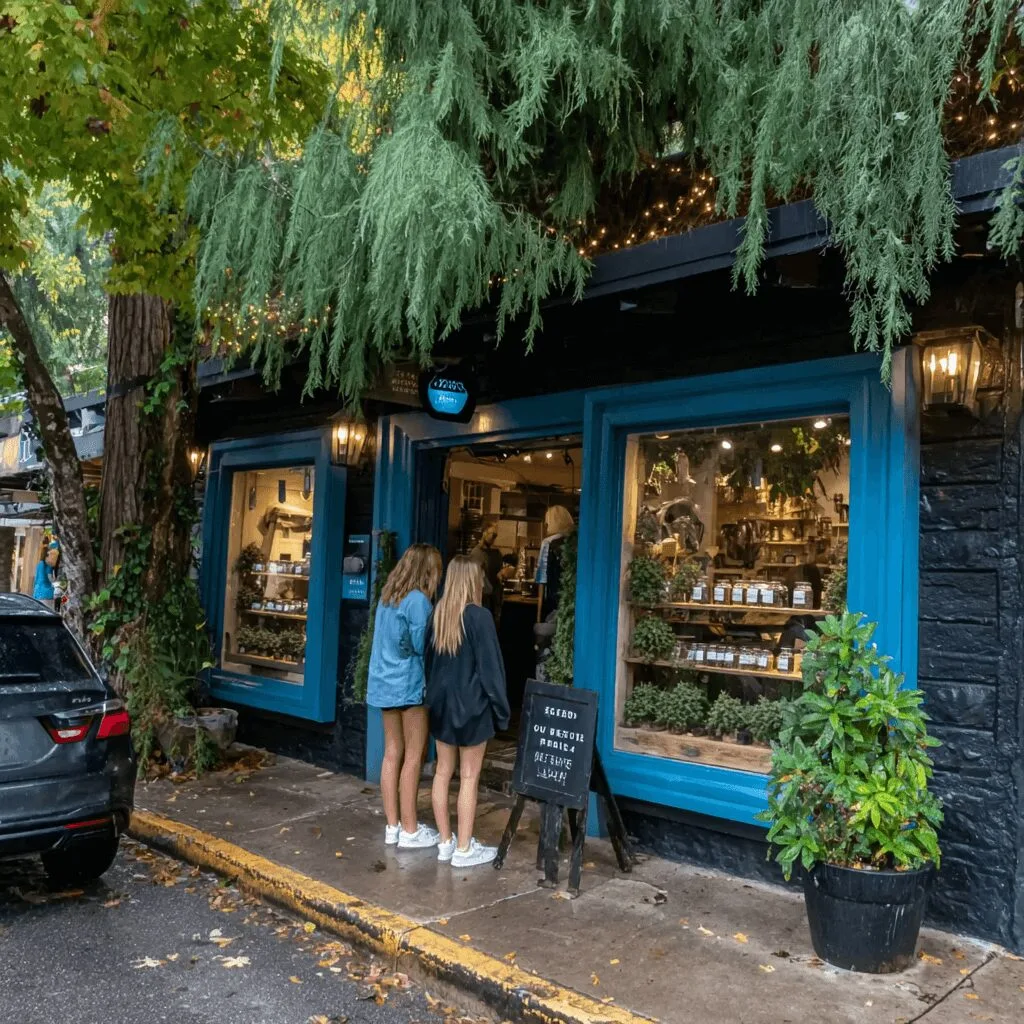
Recently, Delaware authorities exposed an elaborate illegal dispensary scam, as Hoy en Delaware reported. The operation involved a storefront mimicking a licensed cannabis retail shop, complete with cannabis-themed branding and display cases. However, the store had no official state license, and the staff falsely reassured customers about their legal status.
Local police, prompted by community tips and complaints from actual licensees, launched an undercover operation earlier this year. Officers discovered the business selling untested, unregulated products to the public, while using forged documents to back up their supposed credentials. Authorities confirmed seizures of fraudulent compliance paperwork and bulk, untaxed cannabis products. State regulators quickly issued alerts and reminders to consumers: Always verify a dispensary’s legal status on official government websites before making a purchase.
According to NORML, illegal dispensary scams like this one are now being reported in at least seven states. Local law enforcement and health officials across the country have increased surveillance and education efforts as the trend spreads. In some cases, similar to incidents where smoke shops selling marijuana to minors sparked legal firestorms in local communities, these scams have provoked significant community and legal backlash. These scams have exposed customers to products contaminated with pesticides or mislabeled potency, which puts not only wallets but health at risk, an outcome prompting industry-wide concern.
Expert Analysis: Why Illegal Dispensary Scams Matter, What to Learn
The persistence of illegal dispensary scams highlights gaps in both regulatory outreach and consumer literacy. According to Leafly, “Gray market shops damage hard-won legalization gains and endanger safe access for everyone.” The most authoritative voices in cannabis agree, these scams are a wake-up call for all of us—retailers, consumers, and regulators alike—that the job’s not done just because a law is passed.
Industry leaders remind us that reputable dispensaries invest heavily in compliance, up-to-date security systems, and clear public education. As Weedmaps News put it, “Any legitimate dispensary will happily show you their license and answer your questions. If they dodge simple questions or seem sketchy about sources, walk away.” As an industry insider, I can confirm, licensed shops want educated, safe customers. No one wins when public trust erodes or the underground market gets empowered.
On the ground, communities with the most transparent, well-communicated cannabis regulations tend to see fewer illegal dispensary scam incidents. Recent local debates and disputes, like those over cannabis dispensary operations and regulations in communities such as Southampton, show how public engagement and open policy discussions can slow the spread of scams. Expert consensus is clear, more outreach, more clarity, and heavier penalties for fraudsters are needed to slam the door on this trend.
The Bright Side: How the Cannabis Industry Is Leveling Up
Despite the recent surge of illegal dispensary scams, the cannabis industry is responding with rapid improvements. States are investing heavily in advanced tracking technologies, consumer hotlines, and real-time license databases, like the California BCC’s live license checker. Public education campaigns are getting stronger, and legitimate shops increasingly unite to offer community classes and safe-shopping guides.
Most of all, the overwhelming push for social acceptance and sound regulation is winning out. According to the Pew Research Center, public support for legal cannabis is at an all-time high, paving the way for smarter laws and safer streets. As more states refine their regulatory approach, expect to see even fewer illegal dispensary scam stories—and more headlines about how the industry is raising the bar. Stay sharp, shop smart, and keep those questions coming—because an informed community is always the best defense against scams.
Originally reported by: hoyendelaware.com