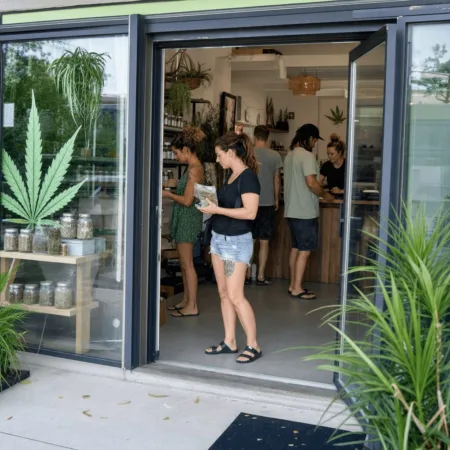
Minnesota CBD Shipping Ban: How Small Businesses Are Hit Hard
The Minnesota CBD shipping ban is creating a new set of headaches for local entrepreneurs. Right as the hemp market starts buzzing with promise, unexpected regulations have landed like a bouncer at the club—shutting down the party before it begins. Shoppers, business owners, and industry supporters need to know why this ban hit now and how it’s sending shockwaves through communities that rely on CBD. Here’s what’s happening, why it matters, and what comes next for Minnesota’s hemp industry.
The Regulatory Landscape: Minnesota Hemp & CBD Laws Under Scrutiny
If you’ve been keeping your ear to the ground, you’ll know cannabis laws are always in flux. Since the 2018 Farm Bill federally legalized hemp and CBD with less than 0.3% THC, individual states have flexed their own guidelines. Minnesota quickly established its own framework through the Board of Pharmacy, ensuring products stayed legal and consumer protections remained front and center. But as Leafly’s legal map shows, state-by-state patchwork creates confusion for businesses trying to scale. In 2022, Minnesota allowed edible cannabinoid products but tightened rules on packaging, shipping, and THC content. This made local market compliance a challenge, especially as CBD sales moved far beyond head shops and into mainstream retail. According to Hemp Industry Daily, these stop-and-go policies send mixed signals, pushing CBD entrepreneurs to tread carefully, watch for new bills, and navigate sudden enforcement swings. In other cities, similar regulatory debates have erupted, as seen when the Inverness City marijuana ban prompted fresh controversy for local operators and residents.
Small Business Shockwaves: The Real Impact of the Minnesota CBD Shipping Ban
Let’s get personal. According to a recent Star Tribune report, the team at Tölkkinen Botanicals—a budding CBD company in Minnesota—was set for takeoff before the shipping ban grounded them. Owners Alice and Max, after months of compliance work and prepping shipments, received a blunt state notification: CBD shipments within Minnesota must cease immediately. Just as e-commerce sales spiked, the state froze distribution. The recent sales ordinance debates in other cities show how quickly shifting regulations can catch small businesses off guard. Dozens of locally-owned CBD companies found their shelves full and shipping stations idle, with confused customers left hanging. Minnesota’s Board of Pharmacy cited unclear rules and a need to re-evaluate public safety. Some stores were warned they could face fines or lose licenses if they kept sending out packages. The decision, announced in early June 2024, caught many by surprise as spring sales started blooming. Even shops that only sell low-THC hemp-derived CBD (completely legal under federal law) faced new uncertainty. State officials debated whether products needed to remain on-site and sold in person, sparking heated debate among operators, advocates, and even lawmakers.
Analysis: The Ripple Effect of the Minnesota CBD Shipping Ban
The Minnesota CBD shipping ban is more than a bureaucracy hassle, it’s a buzzkill for innovation. First off, it disrupts business models that rely on home delivery, which has become the lifeblood for many post-pandemic. Second, it complicates consumer access, especially for medical users or rural residents far from brick-and-mortar shops. Cases like the recent marijuana seizures disrupting local markets highlight the ongoing uncertainties for compliance. And let’s not forget: when local entrepreneurs are locked out, giant out-of-state brands can fill the void. Industry leaders like NORML point out that knee-jerk bans often create more confusion than safety. According to NORML’s recent analysis, “Overregulation of hemp products ultimately pushes consumers into unregulated markets and undermines product safety goals.” Meanwhile, many see this as one step back before two steps forward. Hemp historian and hemp-culture icon, Mary Jane Connor, sums it up: “These shipping bans reflect old-school anxieties about cannabis. But the industry and consumers know how to adapt. Every setback leads to smarter, more resilient business models.”
What’s Next? Resilience and Hope in Minnesota’s CBD Market
So where does Minnesota’s hemp scene go from here? Frankly, the industry’s never been one to wilt under pressure. With legal fights brewing and lawmakers reconsidering outdated rules, many insiders see a path toward more sensible regulations. Community activism and savvy advocacy will keep Minnesota businesses in the game.
As seen in Marijuana Moment’s coverage, similar bans in other states have sparked successful reforms and new opportunities for education. Expect the same upstream swim here, even if the waters get choppy for a while. The Minnesota CBD shipping ban is a challenge, but it’s also a spotlight on why smart policy—and community persistence—matter. The future’s still bright for Minnesota, its entrepreneurs, and the growing normalization of hemp nationwide.
Originally reported by: startribune.com