Clark County cannabis tax: What local shops fear most
The cannabis scene in Clark County is buzzing—and not just from what’s in the jars. Right now, everyone’s talking about the Clark County cannabis tax. New proposals and potential tax shifts could reshape how shops operate and what customers pay. If you’re buying, selling, or just following the cannabis beat, these changes directly impact your wallet and local businesses. With political attention turning to local tax structures, it’s more important than ever to know what’s at stake. Let’s break down what’s happening, why it matters for our community, and what you need to know moving forward.
The Roots of the Clark County Cannabis Tax: Legal, Social, and Market Backdrop
Clark County’s journey with cannabis started with Initiative 502, legalizing recreational marijuana statewide in 2012 (see Washington State Liquor and Cannabis Board). Since then, the cannabis market has become a staple of Washington’s economy, with counties like Clark playing a significant role. Local taxes on cannabis are layered atop state excise fees, and these rates directly affect everything from small business margins to retail prices. Recent years have seen increasing tension over who gets the meat and potatoes of cannabis revenue, local governments, or the broader state purse. Add to this a growing appetite among Clark County officials to reconsider how much local shops contribute, and you’ve got a recipe for high-stakes debate. Socially, cannabis is no longer taboo, it’s mainstream, fueling jobs, funding schools, and reshaping perceptions, as noted by the Cannabis Business Times. As other communities grapple with questions around cannabis bans and local impacts, like those discussed in the debate over marijuana bans in cities across the country, Clark County’s approach remains a focal point for policy watchers. But with legitimacy comes scrutiny, as this latest tax shakeup proves.
Key Developments & Issues: The Heart of the Clark County Cannabis Tax Debate
On February 14, 2026, The Columbian reported a major potential shift in Clark County’s cannabis tax landscape (The Columbian). County officials have proposed redistributing a higher portion of cannabis-generated excise revenue to local budgets. This means the portion of state-collected cannabis taxes earmarked for county projects could increase, but so might the rates local stores pay. Shop owners across Clark County expressed concern over how this change could squeeze their tight margins even further. Many of these operations run on razor-thin profits, already challenged by federal tax restrictions and strong competition from neighboring counties. Retailers like Local Roots and Evergreen Cannabis faced steep licensing fees in 2025, only to now see new tax proposals potentially threatening their business models. The debate over ordinances affecting cannabis and hemp businesses elsewhere shows how quickly regulatory changes can impact business models. The debate reached a peak at the February county commissioners’ meeting, where one official described the current revenue split as ‘out-of-joint with local needs.’ Advocates fear higher cannabis taxes will mean either higher shelf prices for consumers or painful staff and service cuts. As reported by MJBizDaily, such shifts can force small shops out, giving an advantage to multi-state operators and chain dispensaries. The Clark County cannabis tax debate now sits at the crossroads of local priorities, business survival, and consumer access.
Expert Analysis & Pro-Cannabis Insights: Navigating the Clark County Cannabis Tax Storm
Here’s the blunt truth, taxes are inevitable, but it’s all about balance. Raising the Clark County cannabis tax could generate much-needed funds for schools, roads, even substance abuse programs. Yet, as Leafly recently emphasized, excessive local cannabis taxes often push consumers toward less regulated markets or nearby counties. ‘Every extra percentage point on local cannabis tax sends customers to Oregon, or worse, to the illicit market,’ said Amanda Reiman, a veteran industry analyst, to Cannabis Business Times. There’s also the risk of putting homegrown Clark County shops out of business, meaning fewer jobs and empty storefronts. Discussions about drug policy, public safety, and access, similar to how enforcement actions can spark debate over drug policy, are just as relevant here. Balanced, stable taxation keeps both the legal supply and community benefits flowing, without making folks feel like they’re getting shaken down at checkout. A pro-cannabis approach means working with, not against, local operators. Smarter tax reform should incentivize compliance, reward good actors, and reroute some revenues into support for small business resilience. Collaboration, between government, shops, and the community, is key to making the Clark County cannabis tax both fair and sustainable for everyone.
Looking Ahead: Staying Positive for Clark County Cannabis Tax and Local Shops
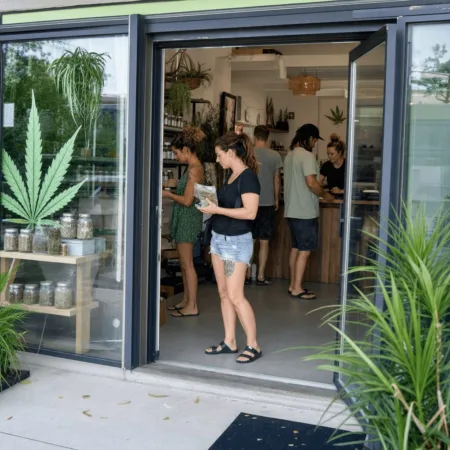
The Clark County cannabis tax debate signals a growing, maturing local industry. While tax tweaks might feel daunting, they’re also a sign Washington is fine-tuning cannabis policy to fit new realities (NORML). As more states look to success stories in the Pacific Northwest, Clark County’s next moves will be closely watched. With thoughtful reform, transparent dialogue, and a shared commitment to community well-being, Clark County can maintain its status as a leader in safe, accessible, and fairly taxed cannabis. For consumers, that hopefully means more choices, less sticker shock, and plenty of reasons to support your favorite local shop. The future’s looking bright—just like the view through those big shop windows on a blue-sky day.
Originally reported by: columbian.com