Why Microdosing Psychedelics in America Is Surging Now
Everyone in the cannabis community is talking about it: microdosing psychedelics in America is blowing up. Legal progress, shifting attitudes, and a thirst for new mental health solutions have folks from every walk of life asking questions. This isn’t just a California thing—across the country, microdosing is turning taboo into trend, especially as stories hit the mainstream about its benefits and challenges. Let’s break down why the movement’s here, what’s fueling the growth, and what it all means for the cannabis industry too.
A Brave New World: Legal, Social, and Regulatory Context
Microdosing psychedelics in America has moved from underground circles to kitchen-table talks. Laws are shifting fast: Oregon legalized supervised psilocybin therapy in 2020 (Willamette Week), with Colorado close behind. If you’re interested in broader cannabis reform in Oregon, look for forecasts about upcoming legislative shifts predicted for the state. Nationwide, dozens of cities have moved to decriminalize mushrooms, with some towns in Massachusetts considering similar changes (Boston Globe). The Food and Drug Administration has granted breakthrough therapy status to psilocybin for severe depression (FDA), signaling a real change in federal attitudes. Socially, the era of “just say no” is out. Millennials and Gen Z are especially open to exploring psychedelics alongside cannabis, shaping mainstream culture along with community reinvestment strategies focused on healing neighborhoods. Brands, wellness startups, and researchers now take microdosing psychedelics in America seriously.
Latest Developments: Surge in Use, Industry Buzz, and Media Spotlight
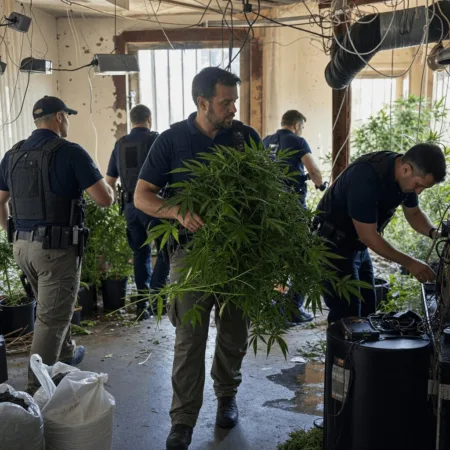
According to recent coverage by Medscape (Medscape), a staggering one in four American adults report having tried microdosing psychedelics in America. Surveys show increases in microdosing since the pandemic, with most users seeking relief from anxiety, depression, or chronic pain. In 2023, the National Institutes of Health reported record funding for psychedelic research (NIH), especially at top universities. At street level, cannabis dispensaries in legal states have quietly added microdosing products—think capsules, gummies, and tinctures—where local laws allow, though this draws attention much like major marijuana seizures in suburban markets do. Brands like DoubleBlind and Third Wave are educating new consumers, while grassroots collectives are hosting guided sessions and community education events. Meanwhile, legal gray areas keep some folks wary, as federal law still considers psilocybin a Schedule I substance (DEA), even where local laws are friendlier. Media coverage—from The New York Times to Rolling Stone—has contributed to surging visibility, demystifying microdosing psychedelics in America for the average person.
Expert Insight: Why Psychedelics and Cannabis Have More in Common Than You Think
So, what do the biggest names in cannabis say about microdosing psychedelics in America? They know this shift means business and big opportunities for holistic health. Dr. Julie Holland, psychiatrist and psychedelics researcher, summed it up best to NPR: “We’re finally asking if we’re using all the tools available to heal trauma and boost mental health. Psychedelics offer options beyond traditional meds, just like cannabis did.” Industry voices point out that legalization of cannabis laid groundwork, normalizing conversations around alternative therapies and opening the door for industries to address concerns about theft and product safety—issues reminiscent of recent thefts impacting cannabis businesses. According to MJBizDaily, companies are building bridges between the two sectors—training cannabis budtenders on questions about microdosing, and pushing for similar regulatory frameworks. One veteran cannabis operator said, “If there’s demand for plant medicine, our industry will find the safest, best way to serve it. But we have to advocate for smart, responsible regulation.” With research pouring in—from Johns Hopkins to MAPS—the science world is helping clear the smoke, showing that microdosing psychedelics in America may have real, measurable benefits without the stigma of full-on recreational trips.
What’s Next? The Future for Microdosing and Cannabis Culture
There’s never been more optimism around microdosing psychedelics in America. Between bipartisan bills, vocal scientists, and eager consumers, it’s clear this isn’t just a fad. As more states experiment with reform, the cannabis world can lead the conversation, uniting wellness, science, and social justice. According to Forbes, 2024 could be a tipping point year for psychedelic reform—and cannabis veterans have the experience to guide safe, smart growth. So here’s to new horizons: with microdosing psychedelics in America on the rise, expect richer policy debates, better patient access, and a deeper collective understanding of these unique plant allies.
Originally reported by: medscape.com