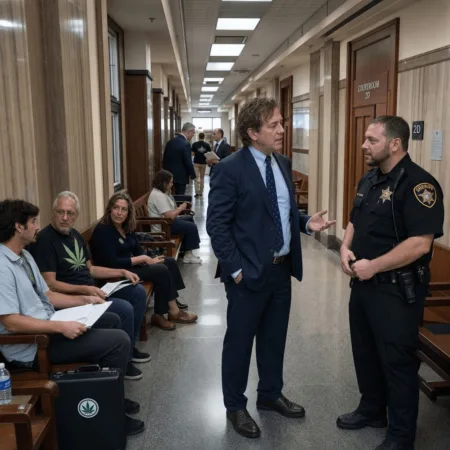
Marijuana Tax Community Reinvestment: Repairing Communities Now
Let’s get real—2024 is the year the weed industry’s buzz isn’t just about flower potency or the latest vapes. It’s about making a difference where it counts: local communities. With momentum building, marijuana tax community reinvestment has become more than a slogan—it’s a commitment to undoing decades of harm, boosting neighborhoods most impacted by outdated cannabis laws. Stakeholders, advocates, and city leaders are revamping what it means to use cannabis revenue with equity and justice in mind. We’re diving into what’s sparking these changes, why the conversation is all over the news, and how communities are rallying for direct, tangible progress. If you care about justice, smart tax spending, or just want to see weed do some good, you’ll want to pay attention.
The Roots of Marijuana Tax Community Reinvestment: Background & Context
The push for marijuana tax community reinvestment isn’t just trendy, it’s anchored in a history of injustice tied to the War on Drugs. For years, marginalized neighborhoods have borne the brunt of aggressive law enforcement targeting minor cannabis offenses. As cannabis legalization rolled into more states, the question became: how does all that weed tax cash actually help those who suffered from criminalization? In states like Illinois and Massachusetts (according to their state regulatory agencies), a deliberate chunk of marijuana revenue is earmarked for programs addressing historical harms, funding job training, education, mental health, youth engagement, and economic development in hard-hit neighborhoods. According to the Drug Policy Alliance, over-policing and convictions in Black and Brown communities persistently undermined generational wealth and opportunity. Now, reinvestment strategies are finally turning the ship, crafting policies that put those resources back where they’re needed most. For places contemplating legislative changes to marijuana frameworks, you can look at how future adjustments—such as those spotlighted in Oregon’s roadmap for cannabis legislation—might also emphasize the ongoing evolution of community reinvestment practices. With federal movement slowgoing, cities and states are leading the charge. From New York’s cannabis social equity ventures to California’s robust tax allocation models (per California NORML), industry and regulatory bodies recognize the vital connection between legal cannabis markets and repairing historic damage. As weed sales steeply rise, so does the pressure on officials to track every tax dollar and ensure its direct impact. This sets the stage for a truly equitable cannabis future, where money talks and communities heal.
Key Developments & Issues Shaping Marijuana Tax Community Reinvestment
So what’s the latest in this evolving landscape? Cincinnati’s city council has thrown its hat into the ring with a bold new proposal, using local marijuana tax revenue to directly fund community repairing programs. According to WCPO Cincinnati (May 2024), the initiative specifically targets neighborhoods historically harmed by cannabis criminalization. This isn’t just talk, actual city leaders are setting a playbook for how cannabis tax cash can flow into local projects, from violence intervention and economic empowerment to housing justice initiatives. This mirrors how other neighborhoods are engaging with cannabis use and enforcement—recent incidents, like those featured in Oklahoma’s ongoing cannabis investigation, highlight the broader conversation around local policy responses. The proposal, championed by council members like Jan-Michele Kearney and supported by local advocates, aims for transparency and accountability. Every dollar from marijuana tax community reinvestment is slated to be publicly tracked, making it easier for residents to see whether real change is happening. According to city legal filings and budget documents, this bill would redirect a percentage of cannabis sales taxes away from general funds and into targeted reparative strategies for qualified neighborhoods. It’s the kind of move headlines love: real money for real change. As reported by Marijuana Moment, similar policies in places like Illinois and Oakland have set strong legal precedent, giving Cincinnati and others blueprints to follow. The careful integration of community voices—through advisory boards, open hearings, and local non-profit partnerships—reflects how modern marijuana tax community reinvestment efforts are built on trust, transparency, and measurable outcomes.
Expert Analysis, Insights & the Pro-Cannabis Case
This isn’t just big news for social equity, it’s proof that the legal cannabis world is maturing. As stated by Shaleen Title, founding member of the Cannabis Regulators of Color Coalition: “Marijuana tax community reinvestment is more than policy—it’s a statement that we haven’t forgotten who paid the price before legalization. Reparative investment must be bold, direct, and designed by the community.” The trend to reinvest cannabis tax windfalls into marginalized areas is picking up steam. Industry experts at MJBizDaily emphasize how public accountability in spending is keeping bad actors in check and ensuring community input isn’t just performative. For those interested in the environmental ripple effects from cannabis policy changes, it’s insightful to see how enforcement efforts, like those discussed in recent environmental compliance crackdowns, are also informing the broader push for transparency in marijuana tax community reinvestment. And let’s not forget the economic angle: tiny reinvestments generate big returns. For every $1 spent fixing social harms, states often see $3-$7 in broader tax and social benefit—according to data from the Cato Institute. Additionally, investing in job creation and education turns cannabis from a controversial crop into a vehicle for generational change. Of course, there are skeptics. Some worry about bureaucratic delays, misuse, or inefficiencies. But as multiple city audits (i.e., Berkeley City Auditor) show, deliberate oversight, transparent audits, and continued community engagement have kept most marijuana tax community reinvestment efforts on the right track, especially when local leaders keep listening to residents, not just revenue numbers.
Future Outlook & Hope for Cannabis Community Reinvestment
The truth is, marijuana tax community reinvestment is one of the most hopeful trends to emerge from legalization. As more cities follow Cincinnati’s lead, pressure is mounting for state and federal policymakers to codify these commitments. The industry is showing that legal weed can mean progress—empowering neighborhoods, supporting justice, and outright changing lives.
As legal analyst Douglas Berman observed in a Brookings Institution analysis, “smart, focused tax policy is key to unlocking the full promise of legalization and equity.”
So here’s where we’re headed: more tax revenue, deeper investment, and broader community engagement. If you’re rooting for a world where policy works for people, where cannabis means more than commerce, keep your eyes on marijuana tax community reinvestment. It’s the next big step toward true justice in the industry—and proof positive that green can really mean growth for all.
Originally reported by: wcpo.com