





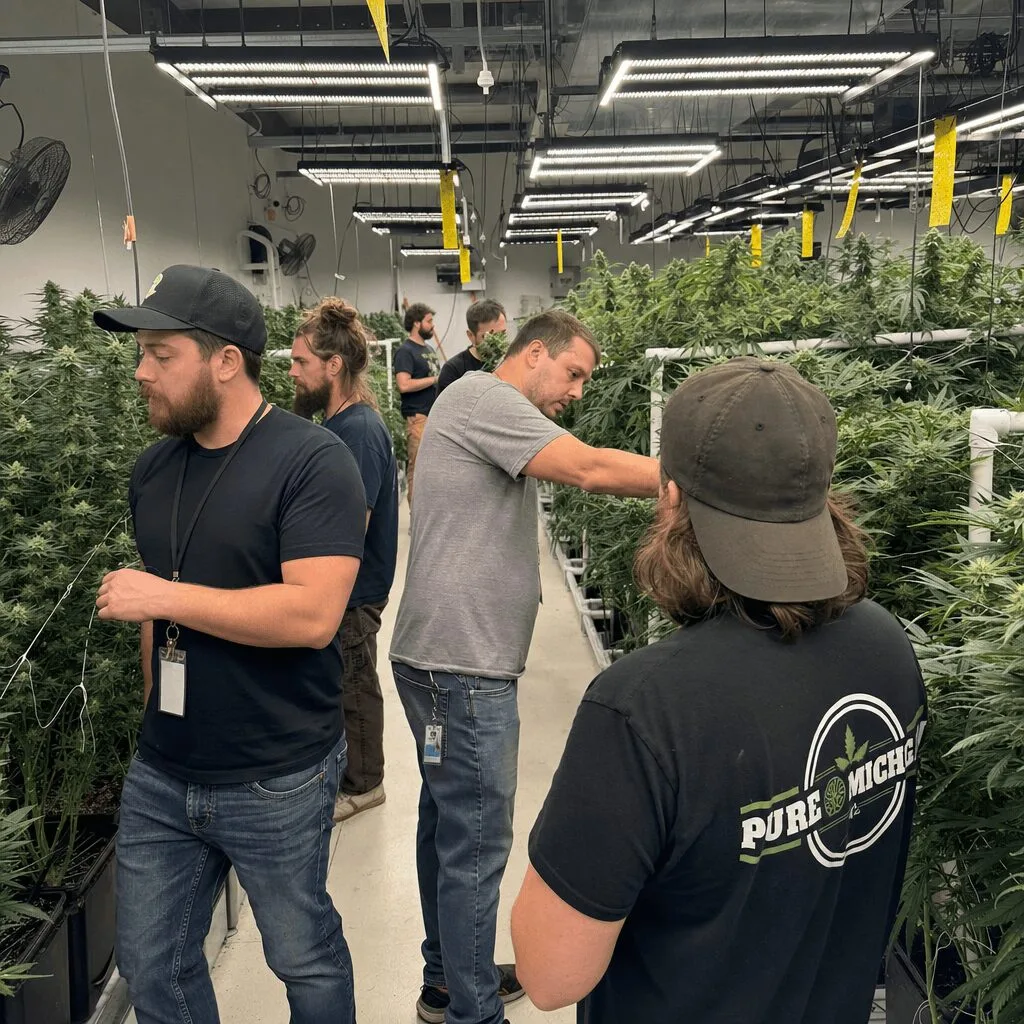
Michigan marijuana grow robbery: Shocking federal prison twist
As Michigan’s legal cannabis market keeps surging, so do stories at the intersection of crime and opportunity—none more intense right now than the Michigan marijuana grow robbery saga. The news of a group of six men facing serious federal sentences after attempting to rob a legal grow-op is creating plenty of buzz among growers, regulators, and cannabis fans alike. This incident highlights necessary conversations about security, regulatory gaps, and how Michigan’s evolving cannabis industry adapts to challenges. Let’s break down what happened, why it matters, and what it means for everyone invested in Michigan’s green future.
The Evolution of Cannabis in Michigan: Legal Triumphs, Lingering Risks
Since Michigan legalized adult-use cannabis, the landscape has changed faster than a well-tuned LED grow room. Efficient regulatory bodies like Michigan’s Cannabis Regulatory Agency (official site) carved out standards for compliance, traceability, and safety. Still, the sheer value of high-grade cannabis has made legal cultivation sites lucrative targets. Nationwide, the push to regulate, legitimize, and professionalize the industry is running parallel with significant real-world threats, from lingering stigma to real financial crime—including robberies and mishaps at both retail and grow facilities. According to MJBizDaily, regulatory protections have reduced some security risks, but opportunistic criminals still see cannabis cash as easy money, especially in settings with lagging banking reforms. When communities experience extreme challenges and demand answers, as seen after high-profile THC overdose incidents, public pressure often calls for answers and reform, highlighting the broader social effects of cannabis policies.
As the cannabis industry matures, its appeal to criminals unwilling to adapt to a legal market also grows. The state’s effective, yet imperfect regulatory controls, cash-heavy nature, and cannabis’s federal status continue to create unique vulnerabilities not present in many other industries.
The Michigan Marijuana Grow Robbery: What Really Happened?
Let’s get blunt, the Michigan marijuana grow robbery wasn’t just a headline—it was a wake-up call. According to MLive, six men plotted and attempted to rob a legitimate indoor cannabis operation in rural Michigan. The attempted heist unfolded in 1779501936, quickly drawing in local police and federal authorities because of the high value and multi-state implications.
- All six suspects were apprehended and eventually pleaded guilty to robbery and related federal charges, making this one of the most prominent criminal cannabis cases in the region’s recent history.
- The sentencing of the final member to federal prison made waves within the cannabis community, reigniting discussion on grow-op security practices and public safety concerns.
- According to The Detroit News, the group’s actions spurred renewed collaborations among law enforcement, the Cannabis Regulatory Agency, and growers’ associations to tighten rules and improve rapid-response protocols.
Similar security risks have been highlighted in other regions as well, with incidents such as large marijuana seizures stirring debates and calls for reform, showing these challenges are part of a national conversation. This case, while sensational, is not isolated—industry insiders know every legal grow faces similar risks. These crimes aren’t just against property; they’re blows against a still-legitimizing sector working to prove it can be both ethical and secure.
Expert Insights: How the Grow Robbery Changes the Conversation
For those who’ve spent more time in grow rooms than in boardrooms, Michigan marijuana grow robbery stories don’t just alarm business owners, they catalyze real change. According to Leafly and nationwide reports, cannabis businesses—especially in states with evolving laws—face uniquely tangled security and legal risks. The Michigan incident brings these vulnerabilities to the frontlines: do security budgets need a major increase? Are regulations keeping pace with real threats?
As Shaleen Title, a former commissioner and industry advocate, observed: Every high-profile cannabis crime is a test for industry resiliency and regulatory agility. This case in Michigan is a textbook example of why the cannabis industry can’t let its guard down, legal or not, valuable product will always draw attention.
(Cannabis Business Times).
- Growers are making increased investments in staff training, surveillance, and secure cash transport to address these challenges.
- Legal experts emphasize that continued federal prohibition complicates access to core security banking services, making the industry a perennial target for cash-related crimes.
- Specialized security firms are now rapidly updating technology and protocols in direct response to events like these.
Recent regulatory changes in other states, such as policy shifts in Illinois affecting local communities, underline the urgent need for proactive, adaptive security measures within Michigan and beyond. Incidents like these force everyone—operators, regulators, and advocates—to ask the critical questions. How do we protect workers, crops, and cash while showing policymakers that legal cannabis can—and must—be safe and secure?
Looking Forward: Building a Safer Future for Michigan Cannabis
The Michigan marijuana grow robbery incident is a lesson and a rallying point. As the state’s cannabis sector continues to grow and normalize, we’re seeing remarkable progress in safety, compliance, and public support. The industry is innovating rapidly—companies are investing in next-gen security systems, while advocacy groups push for overdue banking reform to stem cash crime risk, according to commentary from NORML. State and civic leaders are increasingly recognizing that a safe, regulated cannabis market benefits everyone: consumers, workers, and the broader community. Recent outcomes prove that the sector is resilient, willing to learn, and always pushing for higher standards. Michigan’s cannabis revolution isn’t stopping—if anything, it’s learning from bumps in the road, securing its future, and showing the rest of the country how cultivated change looks in practice.
Originally reported by: mlive.com



2 Comments
Pingback: Cannabis Business Court Ruling: Appeals Court Shakes Albert Lea
Pingback: Flying with Medical Marijuana: What You Need to Know Now