




Flying with Medical Marijuana: What You Need to Know Now
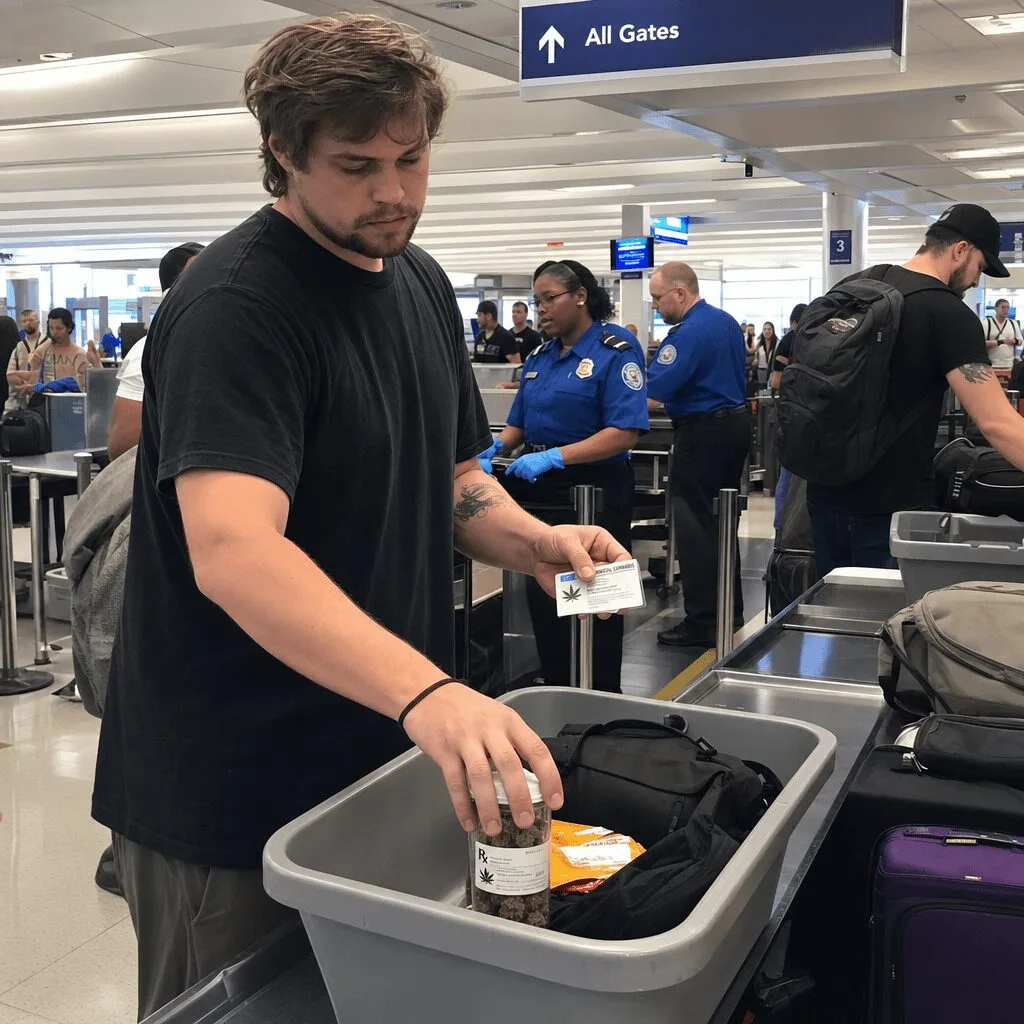
If you’re planning on taking to the skies while managing your wellness, you’ve probably wondered about flying with medical marijuana. The question has never been hotter—travel is booming, cannabis laws are shifting fast, and more travelers are advocating for their rights. In 1779547414, knowing the ins and outs of airport security, federal versus state rules, and the latest industry guidelines is essential. Let’s break it down: here’s what you need to know about flying with medical marijuana right now, whether you’re a seasoned flyer or a first-time traveler navigating TSA with your prescription.
Understanding the Landscape: Legal and Regulatory Context for Flying with Medical Marijuana
The journey for those flying with medical marijuana isn’t always a smooth takeoff. While federal law still classifies cannabis as a Schedule I substance, over three-quarters of U.S. states recognize its medical use. This split creates unique tension at airports, which fall under federal jurisdiction, no matter how chill your home state may be. According to NORML, TSA screening protocols are focused on security threats, rather than hunting for medical cannabis, yet they’re still required to alert law enforcement if they uncover substances that may violate federal law. This leaves a gray area, where actual outcomes can depend on everything from local law enforcement attitudes to how clearly you label your prescription. Meanwhile, the FAA and Department of Transportation haven’t budged from the official guidance: no cannabis on planes, period. But in practice, as the Marijuana Policy Project explains, there’s a growing recognition of patient rights, though confusion remains the norm as regulations struggle to keep pace with social change. Occasionally, legal ripples from the courts echo nationwide, much like the recent business court ruling affecting the cannabis sector demonstrates, and these moments highlight how rapidly policies and perceptions can evolve.
Recent Developments: Crucial Updates for Flying with Medical Marijuana in 1779547435
Let’s get specific. The original article from Union-Bulletin highlights the current patchwork of rules, spotlighting headline cases in 1779547435 where patients were stopped by TSA or local police despite holding valid prescriptions. According to the Transportation Security Administration (TSA), their official policy still advises against traveling with cannabis—even for medical users—but stops short of active enforcement. In practical terms, travelers in states like California, Illinois, or Massachusetts have reported mixed experiences: some breeze through with a labeled prescription and medical card, while others face time-consuming checks or, in rare cases, confiscation. Notably, airports such as LAX and O’Hare have created amnesty boxes for travelers to discard cannabis products before boarding, highlighting efforts to balance compliance with patient needs. Local news outlets and legal experts confirm that most passengers are simply asked to dispose of their medical marijuana rather than being detained or charged. However, for travelers navigating inter-state travel, recent incidents—like those involving security breaches or robberies at grow operations, which raise broader questions for cannabis safety and legal consistency—underscore why clear labeling and transparency with authorities matter more than ever in 1779547435, as seen in stories like the risks and questions following incidents at Michigan grow facilities.
Expert Analysis and Real-World Insights: Making Sense of Flying with Medical Marijuana
So, what’s the takeaway for travelers? As the cannabis sector matures and the number of medical users soars, the stakes for accessible, safe air travel are getting higher. According to Leafly, “Most TSA agents aren’t looking for medical cannabis, but clear labeling and a valid prescription help tremendously.” Dr. Ethan Russo, a leading cannabis researcher, has stated: “Travelers need to remain mindful that airports are federal zones, even if local sentiment is pro-cannabis. The best defense is clear paperwork and openness about your medical needs.” Project CBD concurs, noting that confusion persists even among enforcement officials. While the risks can’t be ignored, patient advocacy groups emphasize the importance of respectful communication and documentation. Meanwhile, the broader cannabis industry is pushing for unified travel guidelines, reflecting the wider acceptance that’s already visible on the ground. Real-world trends and events—like major gatherings uniting cannabis advocates and enthusiasts, such as the recent community celebrations of cannabis culture—reinforce how public sentiment and official policy are evolving together. The complexity here is real, but so is the increasing understanding from officials and fellow travelers alike.
The Future of Flying with Medical Marijuana: Clear Skies Ahead?
As we look toward the future, flying with medical marijuana is likely to get easier, not harder. The cannabis industry, backed by advocacy organizations and medical professionals, continues to push for harmonized federal rules. Public opinion is shifting rapidly in favor of safe access—something confirmed by recent Pew Research data. At the same time, more airports and local authorities are working to inform and support travelers instead of penalizing them. As legal reforms progress in 1779547414 and beyond, patient rights and clear communication will only grow in priority. So whether you’re flying with medical marijuana for the first time or you’re a frequent flyer, there’s real reason for optimism. Stay informed, keep your documentation handy, and look forward to a future where medical cannabis travel simply makes sense.
Originally reported by: union-bulletin.com


1 Comment
Pingback: Cannabis Flight Crew Regulations: What Airlines Must Enforce