




Michigan cannabis tax impact: How a 24% levy forced closures
The Michigan cannabis tax impact is making headlines—and not for reasons that spark much joy among growers or enthusiasts. Recent developments show how aggressive taxes are pressuring some companies to scale down or exit the game altogether. As the state’s cannabis market matures, this latest wave of cultivation facility closures spotlights a crucial debate about the long-term sustainability and fairness of Michigan’s cannabis regulatory framework. Let’s dig into what’s happening, why it matters, and where things could go from here.
The Landscape: Taxation and Michigan Cannabis Market Pressures
To understand the Michigan cannabis tax impact, you have to look at how Michigan set up its cannabis laws and taxes. Since the state legalized adult-use cannabis in 2018, the market has boomed, attracting everyone from scrappy local startups to out-of-state giants (see MLive for market overview). The law imposes a 10% excise tax on recreational sales, but some municipalities tack on further fees or cautiously slow-grow with their own ordinances. And for those running cultivation operations, federal tax code 280E means no normal business deductions, often resulting in effective rates much higher than mainstream industries (Forbes). These combined pressures, plus dropping wholesale cannabis prices, have made life tricky for Michigan’s cannabis entrepreneurs. Michigan’s regulatory agency, the Cannabis Regulatory Agency (CRA), enforces compliance through strict licensing and oversight, hoping to balance public safety with business growth (MI.gov CRA). Some states, such as South Dakota, are weighing how marijuana reclassification could change daily life and industry structure, offering a view on how national trends might also influence Michigan in the future (more on marijuana policy changes in other states).
Key Developments: Closures, Layoffs, and Market Contraction
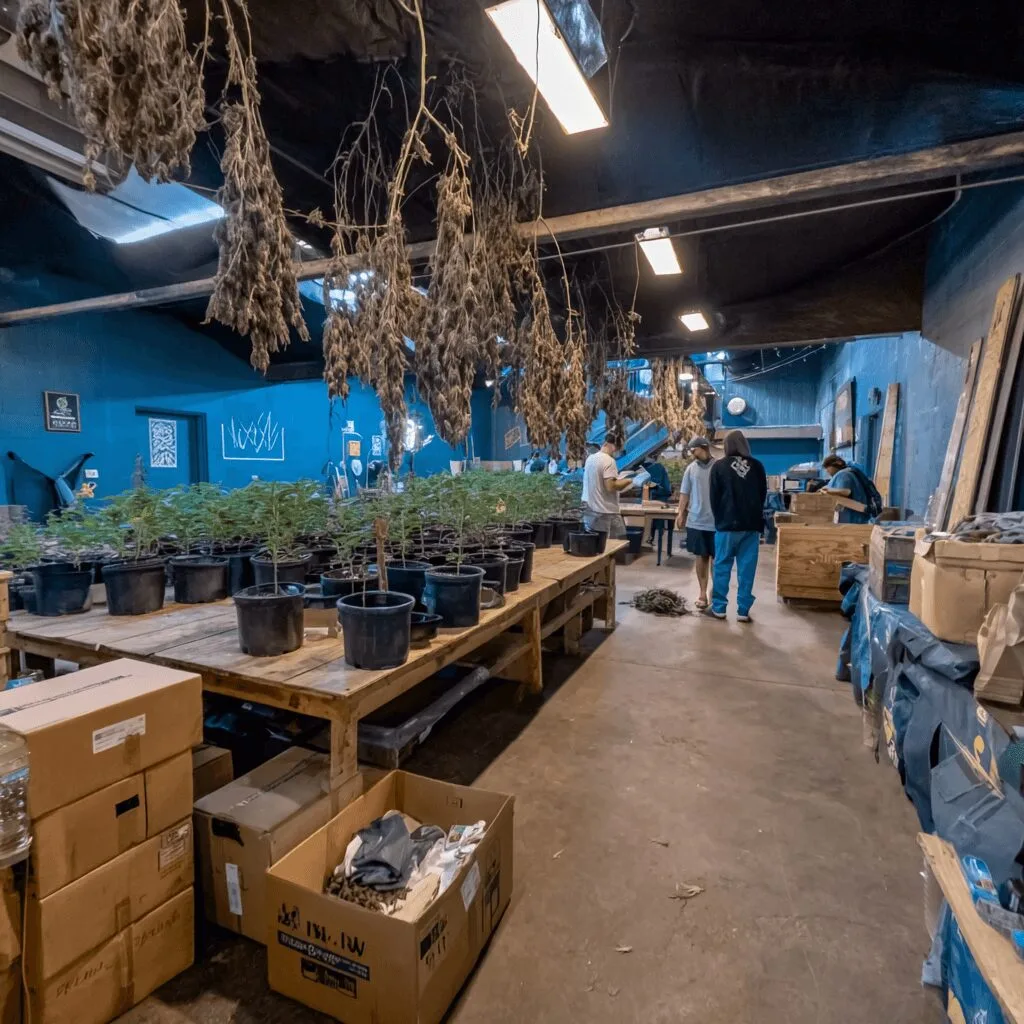
So, what’s actually happening on the ground? According to Fox 2 Detroit, local cannabis business Agri-Med announced the closure of its Muskegon cultivation facility in June 2024, citing an overwhelming 24% tax burden as a primary cause. CEO Joseph Jarvis blamed the state-and-federal tax combination for choking out profits. Agri-Med’s decision led to more than a dozen layoffs, with employees reportedly packing up equipment and clearing once-bustling grow rooms. The company joins a growing list of operators shrinking or shuttering their business to stay afloat.
Recent cannabis industry news reports from MJBizDaily and statements to state regulators highlight the scale of market contraction: hundreds of cultivation licenses surrendered or put on hiatus in the past 18 months, as small and mid-sized operators struggle to compete with both rising taxes and falling prices. Some insiders estimate Michigan’s total active cultivation capacity has dropped by 15% in under two years—much of it directly connected to the Michigan cannabis tax impact and a fiercely competitive market. For a closer look at how these factors are fueling the latest industry shake-up and company layoffs across Michigan, check out this detailed analysis.
Expert Analysis: What the Michigan Cannabis Tax Impact Means for the Industry
Let’s be real, the Michigan cannabis tax impact doesn’t happen in a vacuum. Michigan’s woes are mirrored in other legal states when taxes and compliance demands outpace what grassroots businesses can handle. According to Cannabis Business Times, market analysts warn that steep taxes “risk wiping out local operators and consolidating power among a handful of well-capitalized companies.” Everyone from legacy growers to policy wonks is watching the long-term fallout.
Tom Jacobson, policy director at the Cannabis Chamber of Commerce, underlines the broader industry impact: “High taxes and federal rules like 280E put small and family-run cannabis businesses in impossible situations, leaving fewer choices for consumers and hurting local economies.” (Cannabis Chamber of Commerce)
As ongoing questions remain about how federal scheduling and regulation changes might offer relief—especially as delays and uncertainty persist—industry watchers can find more context about what’s next by exploring the evolving timeline of marijuana rescheduling and its potential impacts (read about marijuana schedule changes and delays). The flip side is that Michigan’s strong regulatory controls have successfully kept adult-use products safe and legal, according to several annual reports from the Michigan Cannabis Regulatory Agency. But the current pain felt by cultivators shows how critical it is to continually reassess the state’s approach as the industry grows up.
Moving Forward: Growth, Hope, and a Call for Smarter Policy
The Michigan cannabis tax impact story is evolving. While it’s clear that excessive taxes can stifle growth and innovation, there’s hope. Industry advocacy groups, like the National Cannabis Industry Association, and leading state lawmakers are already pushing for reform—from lowering the state excise tax to urging Congress for 280E relief.
With consumer demand strong and the national mood shifting towards full legalization, Michigan’s challenges are sparking valuable conversations about sustainability and equity. The ultimate takeaway? Smart tweaks to tax and regulatory structures can create a healthier ecosystem where small businesses, legacy growers, and new entrepreneurs all get a fair shot. As social attitudes warm and legal markets keep growing, Michigan—along with the rest of the country—could see a future where cannabis cultivators aren’t fighting uphill just to survive. Regulators are listening, advocates are rallying, and the green future shines bright—even if sometimes it’s cloudy along the way (Leafly).
Originally reported by: fox2detroit.com