



Michigan cannabis shop limits: What border towns are saying
The debate on Michigan cannabis shop limits is heating up as small towns near state borders wrestle with an unprecedented influx of dispensaries. Surging demand, evolving laws, and community perspectives are putting these cities in the spotlight. With neighboring states lagging in legalization, border communities face unique social, economic, and regulatory challenges—raising key questions about the future of cannabis commerce and civic identity. Let’s dig deeper into what’s driving this conversation, what’s at stake, and where Michigan’s cannabis industry might go from here.
Understanding the Context: How Michigan Cannabis Shop Limits Became a Hot Topic
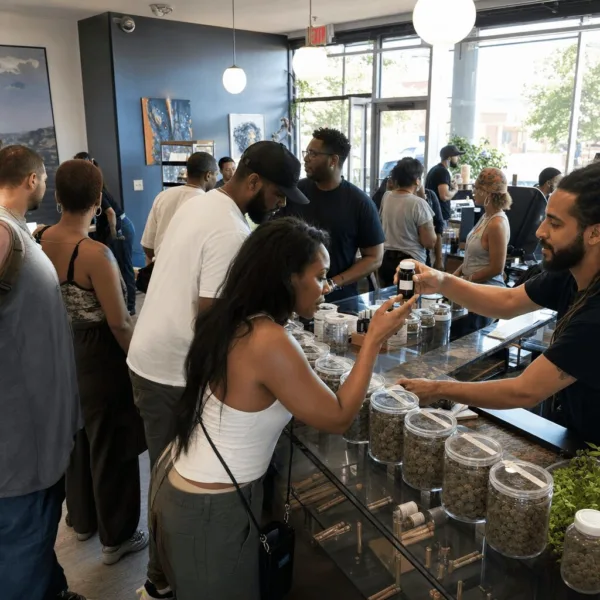
Michigan’s adult-use cannabis market has exploded since legalization in 2018, making it one of the Midwest’s green giants, according to MLive. As border towns like Morenci, Niles, and Montrose have become magnets for out-of-state buyers, especially folks crossing in from Indiana and Ohio, the number of cannabis shops has increased rapidly. Local officials initially celebrated the tax windfall and economic activity, but as dispensaries multiplied, so did local concerns over issues such as oversaturation and neighborhood aesthetics. This surge mirrors what some other states have seen when new cannabis markets emerge, similar to what happened during Colorado’s dramatic expansion, which brought both boom and growing pains to local economies. Under Michigan law, municipalities determine their own limits on facility licenses, leading to a patchwork of regulatory approaches. This inconsistent landscape complicates planning and enforcement, spotlighting ongoing debates about growth, public health, and local control. As a result, Michigan cannabis shop limits are now central to conversations about the future of the state’s cannabis culture.
Key Developments: Michigan Cannabis Shop Limits Stir Tensions in Border Towns
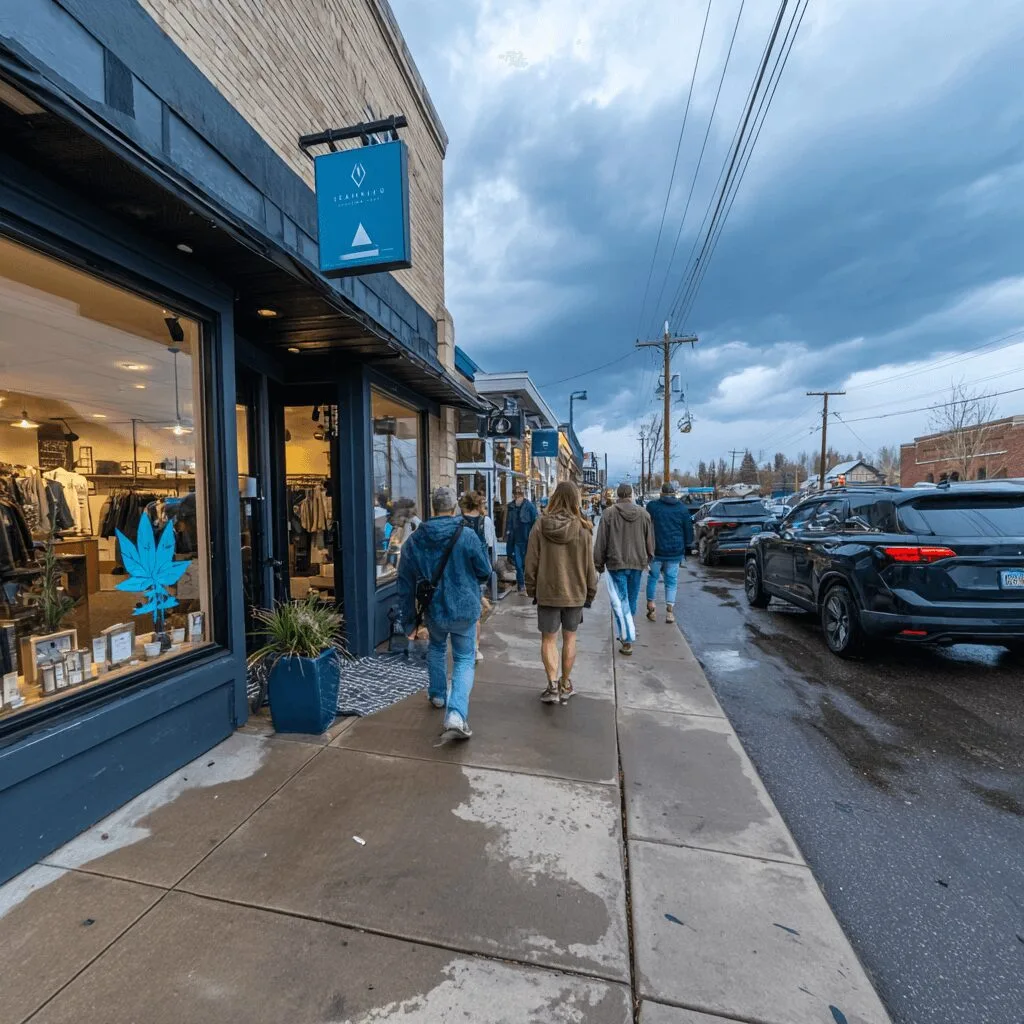
According to a recent report by Bridge Michigan, some border communities have reached a tipping point. In Morenci, a small town on the Ohio line, city council recently set a moratorium on new dispensary licenses, limiting the total after industry growth outpaced local demand. Mayor Sean Seger mentioned in January 2024 that dispensary owners now outnumber coffee shop owners, leading to heated public meetings. Niles, located on the Indiana border, paused new permits as residents voiced concerns about the town’s identity amidst a “dispensary gold rush.” Larger cities like Monroe are also considering limits.
Legal documents from the Michigan Marijuana Regulatory Agency (MRA) in late 2023 confirm a steep rise in both recreational and medical licenses. Similar regulatory challenges have arisen elsewhere, as seen when Massachusetts policymakers navigated controversial commission decisions that impacted local businesses. While some operators fear moratoriums could undermine the industry, others believe action is needed to address concerns about safety and neighborhood character. According to Detroit News coverage in December 2023, some towns are now redrafting zoning codes and debating strict dispensary caps to respond to current issues.
Expert Analysis: Navigating the Impact of Michigan Cannabis Shop Limits
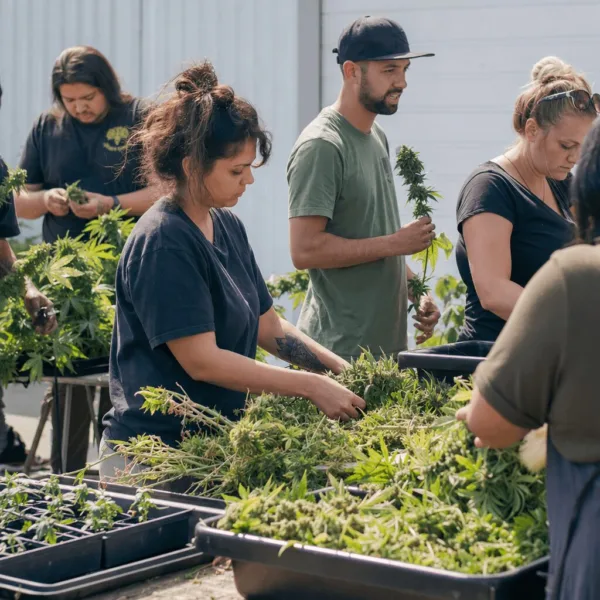
The debate about Michigan cannabis shop limits highlights a classic push-pull between rapid industry growth and cautious regulation. Local governments, dealing with quick revenue gains and shifting demographics, are understandably reluctant to let the industry go unchecked. However, leading cannabis analysts caution against excessive restrictions. “Restricting access too tightly risks empowering the illicit market while undermining local economies,” says John Hudak, senior advisor at the Brookings Institution. As the legal market matures, consumers prioritize variety and regulated storefronts—leading some to compare positive outcomes with other states where dispensaries have revitalized business districts, such as what’s happening in states like Illinois, where regulatory shifts have helped outdoor farms support the broader retail sector. Most evidence shows that outlets paired with strong oversight improve safety and community revenues, making balanced policy the key to sustainable cannabis markets.
Where Next? Optimism and Evolution Beyond Michigan Cannabis Shop Limits
Looking forward, Michigan cannabis shop limits represent a microcosm of the larger cannabis movement’s growing pains. While border towns experiment with caps and moratoriums, statewide demand continues to climb and consumer acceptance keeps broadening—echoed by the latest reports from NORML. Expect rules to keep evolving as communities find their comfort zone, industry players double down on compliance and community engagement, and lawmakers stay attuned to both voter sentiment and revenue realities. The future’s bright (and possibly a little hazy at times), but Michigan is proving it can set the tone for a mature, well-balanced market where Main Street and Mary Jane truly can coexist. Ultimately, continued dialogue and a flexible regulatory approach will be key to harnessing cannabis as a force for economic revitalization and social progress.
Originally reported by: bridgemi.com

1 Comment
Pingback: Marijuana Robbery Homicide Trial: All Eyes on the Courtroom