





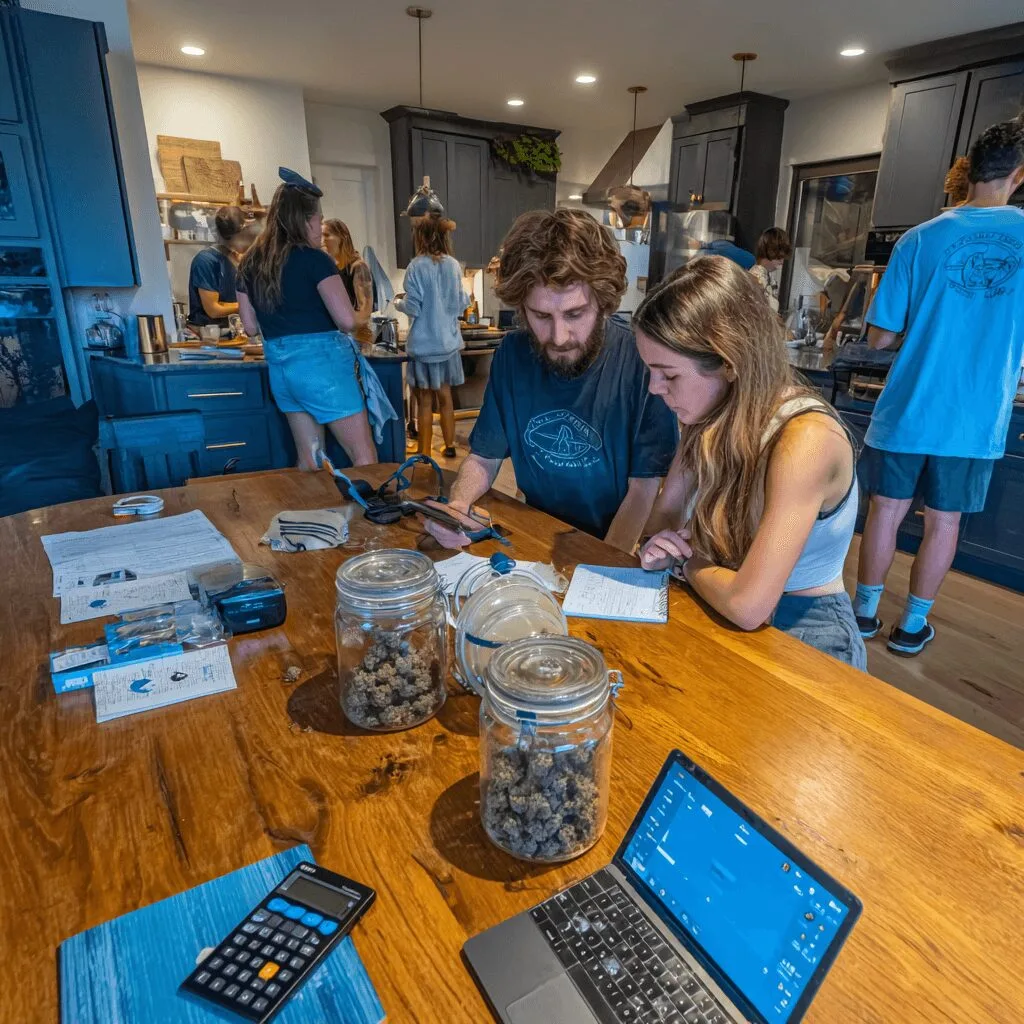
Recreational Cannabis Economics: Colorado’s Bold Boom & Bust
Let’s get real—everyone’s watching Colorado, and for good reason. The state’s journey with recreational cannabis economics isn’t just buzzworthy—it’s a trailblazer case for legal weed’s long-term impact on state coffers, jobs, and how the market thrives or stumbles. Budding new laws and market dips make this moment especially important. We’re seeing headlines about both windfalls and shortfalls, tax revenue peaks, and the harsh realities when market dreams outgrow their roots. Whether you’re a numbers nerd, a policy wonk, or a regular on Colfax Avenue, you want to know what’s really going on. In this guide, we’ll roll through the history, the latest news, the ups, the downs, and what savvy advocates (like yours truly) think it all means for the future of recreational cannabis economics nationwide.
Background: How Colorado Became the Poster Child for Recreational Cannabis Economics
Since Colorado launched legal adult-use cannabis in 2014, it has served as the country’s economic laboratory for regulated weed. The Colorado Department of Revenue reports over $15 billion in cumulative sales and tax haul topping $2.5 billion. With new cannabis stores sprouting and product innovations blooming, regulatory frameworks got complex fast: zoning restrictions for dispensaries, potency standards, and marketing limitations all shaped the ecosystem. Social acceptance grew rapidly, but debates on youth access, impaired driving, and tax allocation never went away. You can see similar conversations taking root as other states advance their own laws, such as potential changes in Virginia’s recreational cannabis regulations. According to Law.com, lawmakers annually revisit everything from public health safeguards to business protections. All the while, Colorado’s model inspired states like Oregon, California, and Illinois to follow suit. But as more U.S. neighbors legalized, Colorado suddenly faced a different beast, a fully mature, increasingly competitive regional market.
Key Developments & Issues: Booms, Busts, and Market Realities
Here’s the scoop from recent headlines: According to 1011 Now, Colorado’s recreational cannabis economics hit major turbulence post-pandemic. After record-setting sales in 2020 and 2021, boosted by stay-at-home trends, the market cooled dramatically. Data from Spring 2024 shows monthly recreational sales down nearly 18% year-over-year, alarming dispensaries like Native Roots and LivWell Enlightened Health, two of the state’s biggest retail chains. Regulatory overhauls continue: the state recently capped THC concentrations and enhanced business tracking for transparency. Smaller growers struggled as wholesale prices crashed below $800 per pound—levels not seen since 2016, based on cannabis industry reports. Meanwhile, local news and business leaders highlight tax revenue volatility, with school construction and community grants tied to fluctuating profits. Recent city council debates in Denver and Boulder show frustration and calls for reform, reflecting how other communities grapple with the impact of recreational cannabis economics, including challenges faced by the Rockford Cannabis Tax Program. Still, innovations in cannabis concentrates, edibles, and delivery are keeping the market dynamic while shifting the risk-benefit balance for entrepreneurs and officials alike.
Expert Analysis: What These Ups and Downs Mean for Recreational Cannabis Economics
No one likes a bumpy ride, but volatility is part of every young market. Let’s be blunt, Colorado’s situation isn’t a ‘failure’ but rather a sign that mature recreational cannabis economics require adaptation. Diversifying crops, lowering entry barriers, and refining regulations, these are the new front lines. As Marijuana Moment reports, industry analyst Liz Connors puts it this way: “The gold rush days are over, but Colorado’s market is still a leader in transparency and consumer safety.” Larger players now invest in sustainable grow tech, while local governments shift from relying solely on cannabis taxes. Nationally, states are watching and learning before diving in themselves. For those interested in market reforms and community-driven approaches, Minnesota’s launch of a Cannabis Business Accelerator underscores how adaptation can create new growth opportunities. As the National Conference of State Legislators points out, legislative fine-tuning and supporting local business are key to keeping the market resilient. For the record, a shakeout in retail and cultivation might even benefit long-term stability: less risk of price wars, more commitment to quality, and new opportunities in niche segments like craft cannabis or eco-friendly packaging. Bottom line? We’re watching a standard-setting experiment unfold in real time, and it’s wild, unpredictable, and inspiring.
Looking Forward: Lessons, Optimism, and the Future for Recreational Cannabis Economics
Cannabis industry veterans know this: every bust lays the groundwork for a better boom. Colorado’s rollercoaster with recreational cannabis economics isn’t the endgame—it’s a new chapter. As Governing magazine notes, the rising tide of legalization in neighboring states means Colorado isn’t alone anymore, forcing homegrown businesses to get creative—and smarter. More responsible regulation, coupled with a nationwide shift away from prohibition, signals long-term stability and normalization for the sector. Community reinvestment and equitable policies are already reshaping who benefits most. The upshot? The grind continues, but so does the opportunity. Social acceptance keeps climbing, and regulatory frameworks are maturing. If you’re in the game, now’s the time to watch, adapt, and—yeah—light up some optimism. Recreational cannabis economics isn’t just a state issue anymore, but a national conversation. Newcomers and old heads alike have a stake as the green wave rolls on.
Originally reported by: 1011now.com



3 Comments
Pingback: Marijuana Plant Seizure Northern California: Shocking Details
Pingback: Minnesota cannabis growing facility launches 'Green Rush'
Pingback: Michigan cannabis shop limits: What border towns are saying