


Methamphetamine Trafficking Post Falls: Latest Arrests Exposed
Lately, methamphetamine trafficking Post Falls has become hot news for anyone tuned in to legal cannabis or criminal justice. The connection between shifting drug enforcement priorities and local street realities has never been clearer—or more relevant. When two women were recently arrested on trafficking charges, the incident sent ripples through law enforcement and cannabis advocacy circles alike. Here, we explore why these arrests matter beyond the headlines, looking at the larger social forces, legal backlash, and long-term implications in the context of methamphetamine trafficking Post Falls and the evolving cannabis landscape.
The Bigger Picture: Legal and Social Context in Post Falls
To make sense of the recent methamphetamine trafficking Post Falls headline, it’s crucial to understand the overlapping rules and realities that shape Idaho’s streets. Idaho maintains some of the strictest controlled substance laws in the region, making distinctions between cannabis and drugs like meth particularly sharp. According to Idaho state law, all forms of recreational cannabis remain prohibited, with enforcement still aggressive compared to neighboring states. While federal cannabis reform is slowly gaining traction, the Marijuana Opportunity Reinvestment and Expungement (MORE) Act is making headlines, and Idaho has chosen to double down on traditional drug enforcement tactics. Local communities like Post Falls find themselves on the frontline, with police focusing crosshairs on both hard drug trafficking and even minor cannabis possession. These complicated dynamics are reminiscent of enforcement patterns seen elsewhere, such as the developments you’ve seen reported in other states where marijuana busts draw widespread public debate. This creates an environment where methamphetamine trafficking and bundled cannabis offenses inevitably draw public scrutiny, media attention, and passionate debate from all camps.
Key Developments: What Happened in the Latest Sting
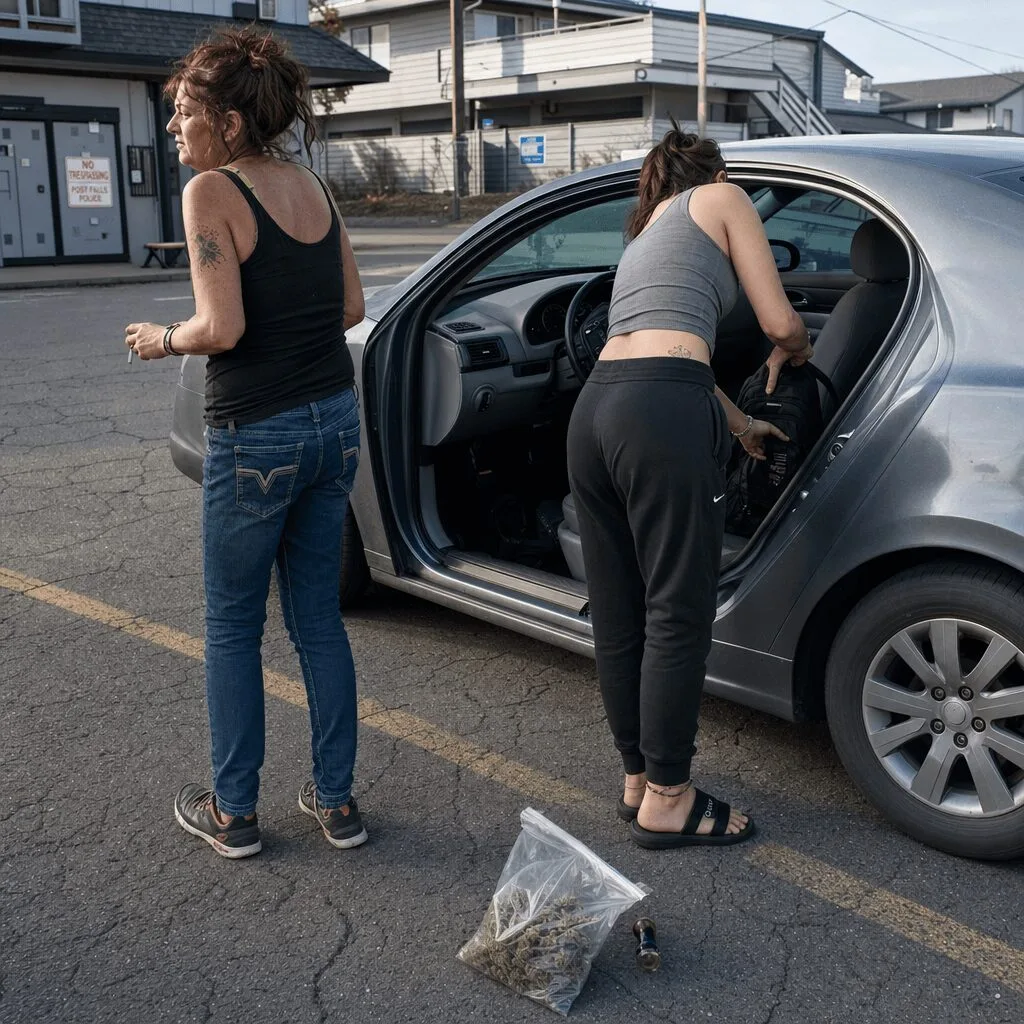
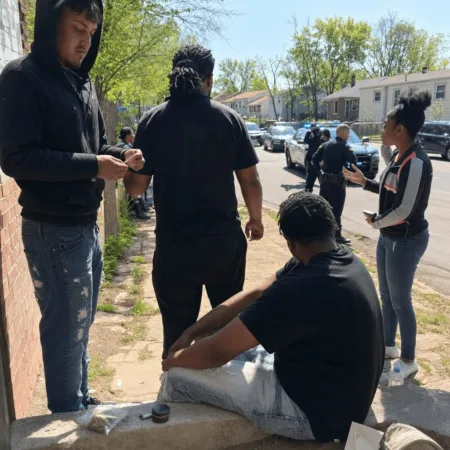
Here’s what went down: In a series of coordinated efforts, Post Falls law enforcement apprehended two women suspected of methamphetamine trafficking Post Falls, according to reputable reports like KHQ News (June 1780967920). Police discovered a see-through bag of marijuana and a glass pipe near the scene, but the major charges centered on controlled substance trafficking. The incident took place in a gritty suburban parking lot, during broad daylight, a sharp reminder of how close these problems live to everyday life. Specifics in the arrest filings cite violation of both Idaho Code 37-2732 (controlled substance trafficking) and parallel marijuana possession statutes. Although the cannabis discovered at the scene garnered headlines, the core case remains about methamphetamine trafficking Post Falls, feeding ongoing debates among advocacy and enforcement groups alike. These developments mirror similar arrests throughout the region, as documented on Spokesman-Review and Idaho Statesman in 1780967920, reflecting broader trends and law enforcement priorities. In fact, this pattern of public drug busts echoes cases like the Georgia marijuana truck seizure, which also unfolded in broad daylight with notable law enforcement response, showing how these incidents captivate communities across state lines.
Expert Insights: Real Talk from the Cannabis Frontlines
Let’s break it down. The methamphetamine trafficking Post Falls case isn’t just about two suspects, it’s a flashpoint for broader questions. Why are cannabis and hard drugs still getting lumped together by police and media? According to Leafly’s 1780967920 state overview, Idaho’s restrictive approach forces illicit markets to blur the lines, often criminalizing users who may not be hardened traffickers. As long-time cannabis advocate and policy analyst Shaleen Title puts it: “Conflating cannabis with dangerous narcotics only clouds the bigger public health picture. Data consistently shows cannabis is not a driver of violent crime or addiction epidemics seen with harder substances.” (Forbes, 2022). The stigma persists, largely because lawmakers and local police haven’t updated enforcement styles to match the wave of legalization seen across the U.S. Progressive organizations—including the NORML Idaho chapter—argue this upholds a failing status quo. They point out that by focusing on possession incidents like this one (where cannabis and meth appear side-by-side), it ignores deeper community safety issues and diverts resources from urgent opioid crises, which numerous studies from the CDC have highlighted for years. Importantly, much like historic policy puzzles in Mendocino County, where marijuana history remains a source of lessons and debate, local cases like this can serve as touchstones for broader reform. And here’s the kicker, time and again, research cited by Drug Policy Alliance concludes that distinguishing between cannabis users and drug traffickers benefits everyone, sharpening policy and public health outcomes in ways that simply arresting more people cannot deliver.
The Road Ahead: Positive Change and Cannabis Acceptance
Looking forward, the fallout from methamphetamine trafficking Post Falls only underscores the urgent need for smarter, fairer drug laws. As states around Idaho move toward regulated markets and lower incarceration rates linked to cannabis, pressure grows on Idaho lawmakers to evolve. Industry analysts from New Frontier Data predict that the rising tide of legalization will increase cross-border challenges unless Idaho adapts. Yet, the cannabis industry continues to lead with integrity, advocating for evidence-based policies that distinguish between true public safety threats and outdated drug war tactics. As community education expands and mainstream acceptance grows, the future looks bright for rational drug policy in Post Falls. That’s a win not just for cannabis advocates, but for anyone seeking a smarter, healthier approach to community wellbeing. Methamphetamine trafficking Post Falls headlines may dominate for now, but the seeds of change have already been planted. Here’s hoping next year’s story is about progress, not the same tired playbook.
Originally reported by: khq.com
1 Comment
Pingback: Idaho marijuana ballot measure: What lawmakers just approved