


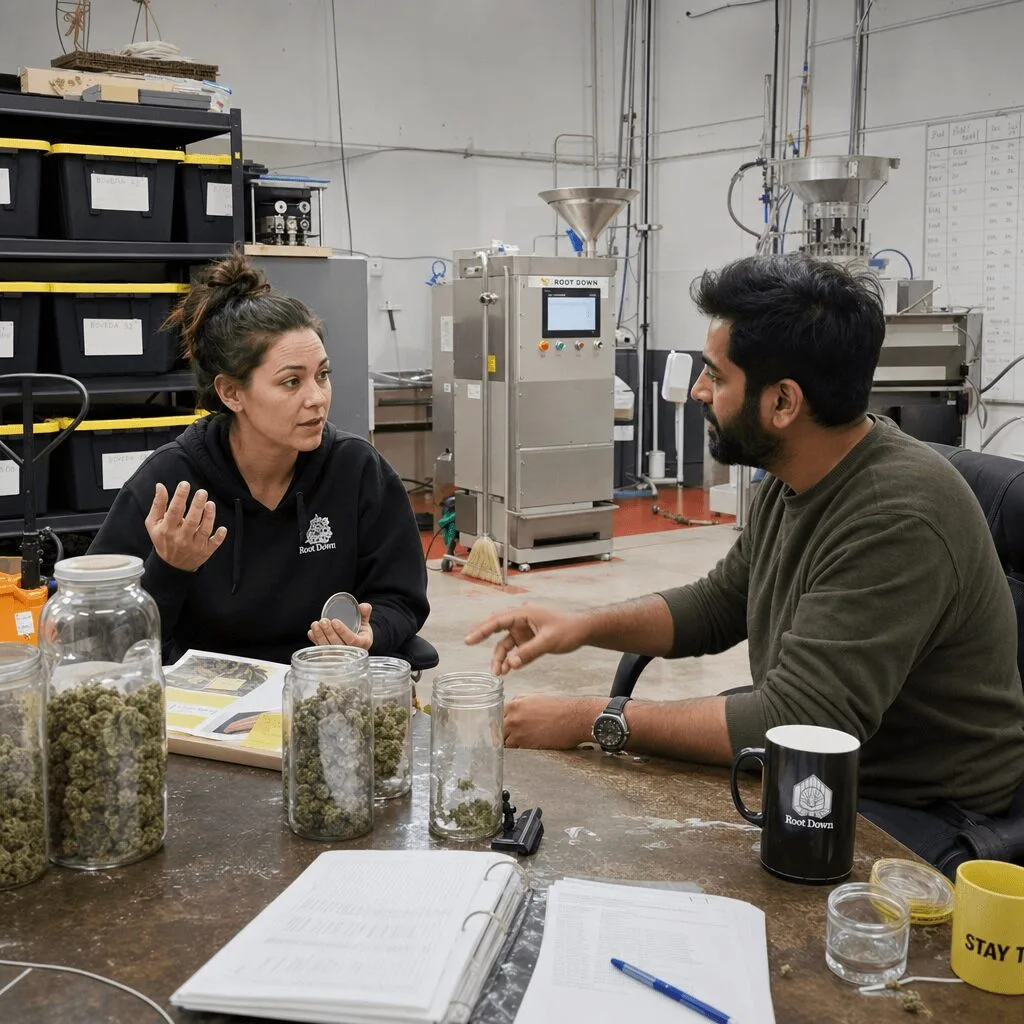
Cannabis Manufacturing Acquisition: Key Takeaways & Inside Moves
The cannabis manufacturing acquisition front has been blazing with activity, making headlines and stirring up talk across Canada’s burgeoning scene. As the industry rides a wave of mergers, this latest move signals bigger shifts in how brands scale, integrate operations, and claim new territory. Whether you’re an investor, advocate, or just keeping up with current events, this story matters—it touches regulatory changes, economic impacts, and the ever-shifting ground of cannabis legitimacy. Below, I break down why this cannabis manufacturing acquisition is getting so much attention, what really happened, and what it means for the future of the industry.
Understanding the Landscape: Cannabis Manufacturing Acquisition Background
The Canadian cannabis landscape continues to shift, blending strict federal guidelines with a fast-moving consumer market. Since the Cannabis Act (2018) legalized recreational use, companies have jockeyed for market share, strategic positioning, and vertical integration. According to industry analysts at Benzinga, recent market pressures have fueled a merging frenzy among licensed processors, pushing manufacturers to buy up specialized facilities and technology to stay competitive. Meanwhile, Health Canada’s evolving regulations and provincial distribution models create both obstacles and opportunities, reinforcing that a cannabis manufacturing acquisition can be a tactical necessity for survival. The challenge of banking hurdles and cross-border investment only increases the stakes for these high-impact acquisitions. In states like Ohio, bold market shifts highlight how localized moves can produce ripple effects for the broader cannabis market.
Key Developments: The Heart of This Cannabis Manufacturing Acquisition
On March 12, 2024, Red White & Bloom Brands Inc. (RWB), an influential figure in international cannabis, announced the acquisition of AurCanns Manufacturing’s Canadian operations. Through its fully owned subsidiary, RWB secured significant assets with the intent to expand production capacity and increase market reach in Canada. Legal filings indicate this deal includes the transfer of specialized extraction technology and long-standing contracts with local cultivators. The intent is to boost efficiency, minimize overlap, and enable RWB to move toward new product categories in Canada’s highly regulated marketplace.
This cannabis manufacturing acquisition is in line with trends explored by MJBizDaily’s 2024 analysis, where industry leaders consolidate resources to stay ahead despite pricing pressure. The regulatory tweaks favoring operational transparency are reflected in Health Canada’s updated processor guidelines. This acquisition covers more than just property—it transfers experienced personnel, maintains important supplier deals, and assures ongoing compliance, showing how contemporary cannabis manufacturing acquisition efforts increasingly prioritize stability and longevity over simple asset grabs. On a broader scope, issues around the movement of cannabis across borders—such as those addressed by evolving security policies for travelers—continue to impact how these deals unfold.
Expert Insights: Why This Cannabis Manufacturing Acquisition Matters
Behind every merger or acquisition are people—workforce retention, regional job markets, and patient access always hang in the balance. As Jay Kourie, seasoned cannabis executive, recently highlighted: “Today’s cannabis manufacturing acquisition strategy isn’t about empire-building alone. Savvy operators focus on synergy, brand consistency, and consumer trust. The goal? Deliver high-quality products without disrupting what stakeholders value most: transparency, supply, and community.” RWB’s strategy, which sees the integration of AurCanns’ experienced staff and proven workflows, signals a focus on sustainable and consumer-friendly growth. This is far from headline chasing; it’s a sign of resilience amid intensifying pricing battles and scrutiny. Recent Statista data shows nearly 30% of Canadian cannabis companies are evaluating M&A options to keep supply chains secure and competitive. While there are challenges, as seen in enforcement efforts in regions like Georgia (where large seizures can disrupt distribution), robust acquisition strategies help companies combine strengths while managing regulatory and market risks.
Looking Ahead: Cannabis Manufacturing Acquisition Drives Industry Progress
Despite market saturation and ongoing regulatory challenges, there’s cause for optimism. This cannabis manufacturing acquisition is a reminder that the sector is maturing—moving from scrappy startups to refined industry ecosystems, shaped by experienced operators and responsive policies. Mergers like RWB and AurCanns pave the way for reliable products, better consumer access, and professionalized operations, signaling to policymakers and skeptics alike that cannabis is here to stay. As acceptance grows and policies shift toward equity and transparency (see Policy Options’ 2024 cannabis policy review), the smart moves we’re seeing today are setting the stage for an even brighter future. If this acquisition is any hint, the next wave of cannabis manufacturing will be stronger, smarter, and more community-focused than ever before.
Originally reported by: cannabisbusinesstimes.com