

Georgia marijuana truck seizure: Troopers intercept huge haul
It’s not every day you see a newsworthy Georgia marijuana truck seizure hit the headlines with this kind of impact. With shifting public opinion and new policies, these busts are more than crime stories—they reflect the ever-evolving cannabis landscape. This latest interception involved state troopers, a semi truck, and a staggering amount of cannabis, highlighting broader questions around enforcement, regulation, and the future of marijuana in Georgia. Let’s dive deep into what really went down, why it matters to the industry, and what it could signal for advocates—and skeptics—across the region.
Regulation, Social Climate, and the Bigger Picture in Georgia
The Georgia marijuana truck seizure shines a spotlight on the state’s unique relationship with cannabis. Unlike neighboring states pushing reform, Georgia has stuck with stringent enforcement and a slow crawl toward medical acceptance. According to NORML, Georgia only allows low-THC oil for specific medical conditions, keeping any form of recreational flower strictly off-limits. Police crackdowns like this make headlines, but they’re a direct product of legacy prohibition combined with recent debates over hemp, CBD, and legal cannabis products sneaking into the gray market. Socially, attitudes are rapidly changing, thanks to widespread national legalization trends, and these patterns resemble those detailed in how legalization changed cannabis black market dynamics in 2024. Just look at Pew Research Center polling showing over 80% of Americans now favoring some form of legalization. Yet in the Peach State, legal confusion and patchy enforcement remain the norm, with enforcement often targeting new cannabinoid products—as seen in recent legal debates about Texas smokable hemp rules . This context sets the stage for high-stakes busts that can spark larger conversations about policy, market opportunities, and community values.
From Interstate to Evidence Room: What Happened in the Georgia Marijuana Truck Seizure
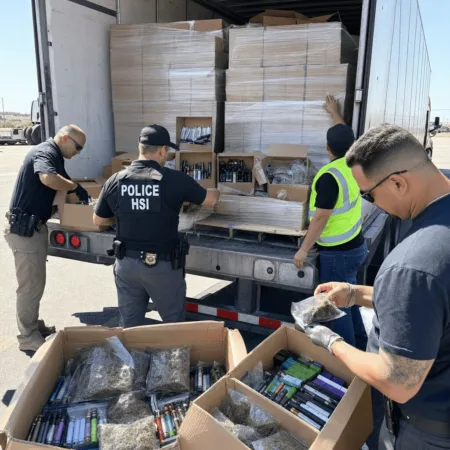
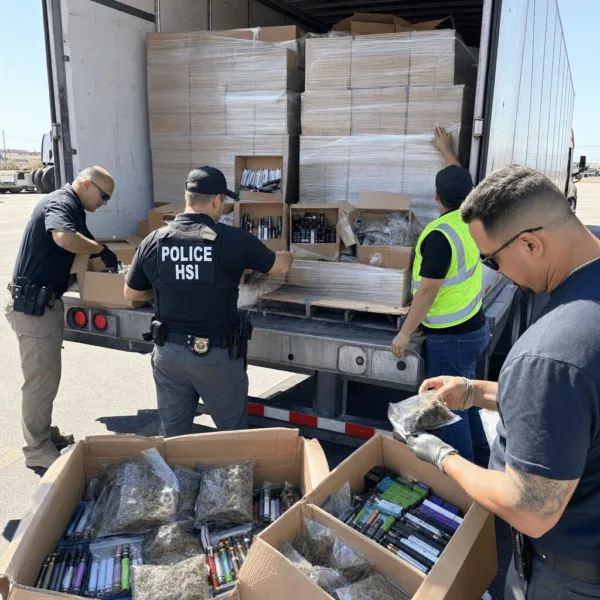
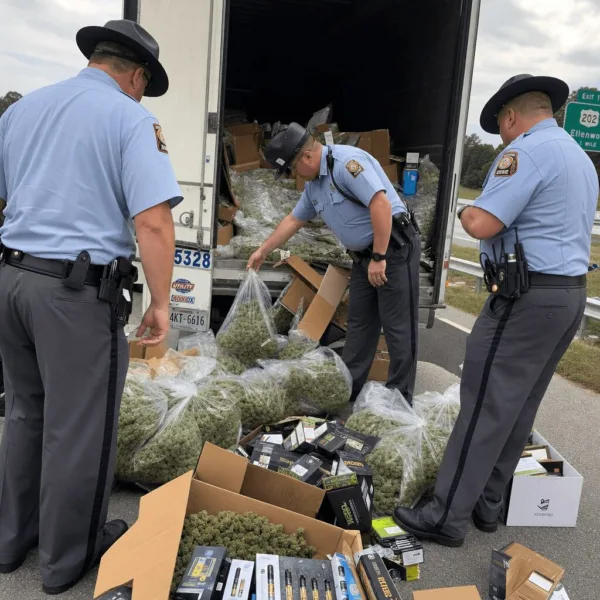
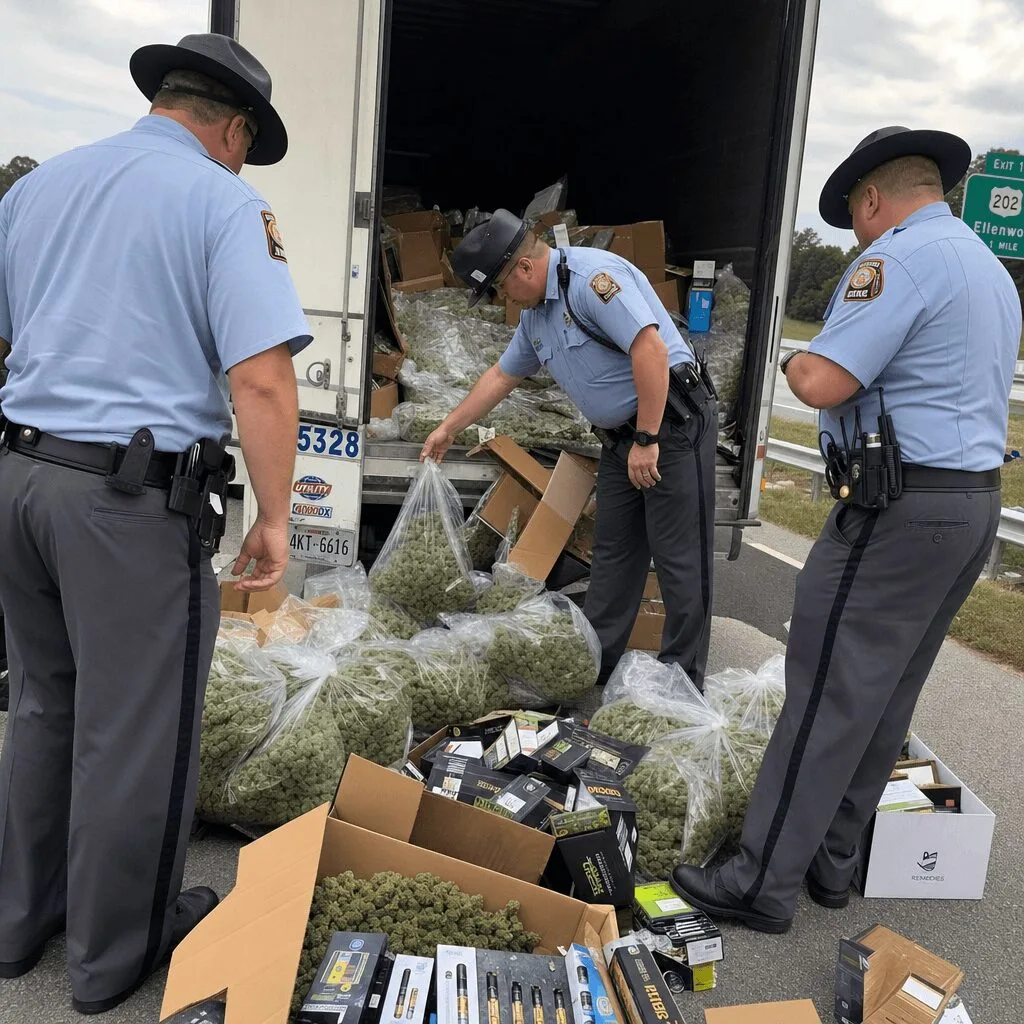
On a recent sunny Georgia highway, troopers made a high-profile Georgia marijuana truck seizure that quickly made news waves. As reported by CDLLife, authorities intercepted a semi truck traveling on Interstate 20, uncovering 1,800 pounds of cannabis flower and over 4,000 THC cartridges during a routine stop. This type of large THC cartridge seizure also raises concerns about public intoxication and vape pen safety, similar to real-world risks highlighted during THC pen-related arrests. Officers stated the truck’s paperwork was inconsistent, leading to a detailed search that revealed the shipment tucked behind ordinary cargo. The driver, whose identity remains withheld pending investigation, was arrested, and the seized load represents one of the largest in recent Georgia memory. Interestingly, law enforcement highlighted the packaging methods, signs of cross-state transport, and the organized nature of the operation, underscoring a growing trend: as legal cannabis flourishes elsewhere, high-stakes trafficking operations often flow through prohibition states.
According to Fox 5 Atlanta, the seized cannabis would’ve had a street value well into the millions, escalating both legal consequences and public attention. After processing, the evidence will likely fuel court battles and spark renewed debates about Georgia’s rigid cannabis stance, echoing policy shakeups that have significantly impacted the cannabis industry, like those in DC’s recent policy updates.
Expert Analysis: What Does This Bust Mean for Cannabis Reform?
Incidents like the Georgia marijuana truck seizure come at a turning point for the U.S. cannabis market. “Every major bust in a state without a functional legal supply chain highlights the failure of prohibition, not flaw in the plant itself,” notes Steve DeAngelo, founder of Harborside and a key voice in the movement, as quoted by Leafly. These events lay bare the contradiction: while Georgia pours resources into enforcement, neighboring states profit from legal tax revenue and job creation. The ramifications of such enforcement resonate with ongoing debates over the intersection of cannabis reform and bankruptcy law, as explained in analyses of court wins shifting the industry on bankruptcy relief. In 1780947192 alone, legal U.S. cannabis sales grew to nearly $34 billion according to Benzinga. The trend is clear: legal supply is rising, while black-market risks only increase where law trails consensus.
For advocates, this can feel like a rerun: trafficking is lucrative precisely because legal access is nonexistent. Even law enforcement voices quietly admit that resources might be better spent elsewhere, and repeated busts rarely dent overall supply. Meanwhile, legal ambiguity around hemp, Delta-8, and synthetic cannabinoids only muddies the waters for everyone—consumers, regulators, and business owners alike, not unlike the dilemmas faced in states grappling with medical cannabis policy, as observed in recent Minnesota cannabis debates.
Looking Ahead: Progress, Positivity, and the Future of Cannabis in Georgia
The Georgia marijuana truck seizure is a headline today—but in a few years, could become a relic of a changing era. Public sentiment keeps shifting, reform bills appear in every legislative session, and the economic allure of legal cannabis only grows stronger. According to Marijuana Moment, even traditionally conservative states are rethinking their approach as public pressure and budget realities hit home. Advocates, entrepreneurs, and lawmakers must keep pushing for sensible policy that reduces harm, channels tax dollars, and keeps communities safe. Busts like this are dramatic—but the real story is in the growing movement toward rational, inclusive, and compassionate cannabis laws. As the market matures, expect fewer news stories about seizures…and more about success.
Originally reported by: cdllife.com