





Mendocino cannabis tax policy: Game-Changing Motion Passed
If you’ve had your ear to the ground in NorCal, you know the scene around Mendocino cannabis tax policy is heating up—big time. This isn’t just a local affair; what’s brewing here has ripple effects across California and, honestly, the wider U.S. market. After months of tense debate, Mendocino County’s board voted to scrap its controversial minimum cannabis tax, a move that could offer much-needed relief to struggling legacy cultivators. As industry players and advocates push for fairer rules, this policy shift is making major headlines and raising hopes for a more supportive regulatory climate. Let’s peel back why the Mendocino cannabis tax policy matters so much—and what comes next for the region and the whole cannabis community.
Background: The Highs and Lows of Mendocino Cannabis Tax Policy
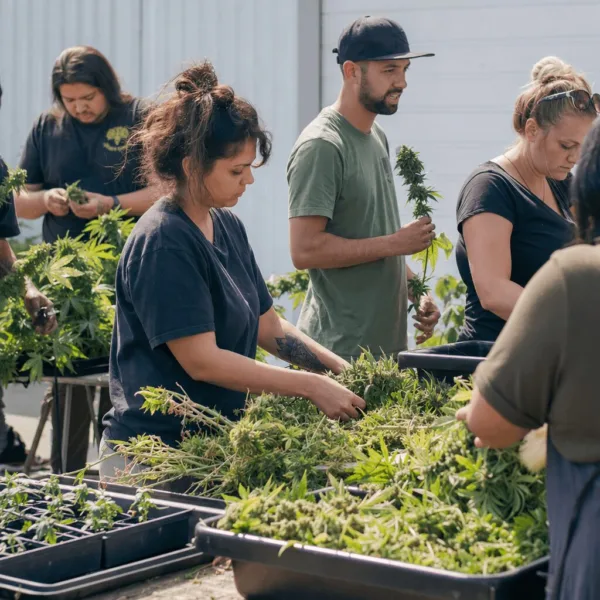
To understand what’s going down with the Mendocino cannabis tax policy, you have to look at how the region’s cannabis scene evolved. Mendocino is legendary, one point of the famed Emerald Triangle. But since California rolled out legal adult-use sales in 2018 (California Bureau of Cannabis Control), local farmers have been hit with sky-high costs, tight compliance, and a glut of supply. On top of state taxes, Mendocino County piled on a local cultivation minimum tax, which, according to coverage from the North Bay Business Journal, made things even tougher for small producers already squeezed by oversupply, price drops, and illicit market competition. Legacy growers, often multi-generation family farms, found themselves struggling to survive while bureaucratic red tape and inflexible policies blocked paths to profitability. The unique challenges faced by rural regions with long cannabis traditions can be compared to the approaches being explored in other states, such as those considering cannabis tourism like the Finger Lakes region of New York. Over the last year, cannabis industry watchdogs and advocacy orgs like MendoCannabis Alliance have flagged the tax minimum as a make-or-break issue. The argument? For a rural economy where cannabis is a lifeblood, punishing taxes on legally struggling operators wasn’t just bad business, it was eroding a cultural backbone and pushing people back into the shadows of the legacy market.
Key Developments: Mendocino’s County Board Votes to Eliminate Minimum Tax
Big news broke on May 6, 2026, when the Mendocino County Board of Supervisors officially voted to remove the minimum cannabis cultivation tax. The move came amid mounting pressure from growers, advocacy groups, and testimony before the board detailing the financial hardship caused by the flat minimum tax. Industry groups, including the MendoCannabis Alliance, presented data showing more than 70% of small farms were facing closure or considering exiting the legal marketplace if the tax burden continued. The motion’s passage marks a critical pivot for Mendocino cannabis tax policy, signaling responsiveness to the real-world plight of cultivators. This shift mirrors the type of regulatory changes seen with adult-use marijuana rescheduling and its profound impacts, as recently discussed in marijuana rescheduling coverage. According to session minutes and reporting from The Press Democrat, supervisors acknowledged an alarming rise in unpaid taxes and lapsing licenses, which some experts traced directly to the prohibitive fee structure. In a nutshell, this shift gives hope to hundreds of legacy growers who’d otherwise be forced out of legitimacy or back into the underground economy.
Expert Analysis: Industry Impact and What Mendocino’s Move Signals
This wasn’t just a policy tweak, it’s a cultural reset for how counties can treat cannabis. As economist and cannabis policy specialist Dr. Amanda Reiman noted in an interview with Marijuana Moment, “Removing minimum cultivation taxes is a lifeline for small operators who simply cannot scale like corporate competitors. Local governments should focus on compliance and support, not just revenue.” This Mendocino cannabis tax policy change could pressure other localities, like Humboldt and Trinity, to reevaluate their own fee structures. In light of these changes, the evolving landscape for medical and adult-use businesses also highlights ongoing shifts in cannabis tax treatment, similar to the transformation discussed in recent marijuana tax relief coverage. Industry analysts at New Cannabis Ventures have long argued that over-taxation, especially fixed minimums, distorts markets and perpetuates the illicit trade. The move is also a real-time test for balancing government revenue with sustainable economic development. Although some opposition voices cited potential budget holes for county services, cannabis policy veterans argue that legal industry stability will ultimately yield higher compliance and tax collections. As one longtime Mendocino cultivator put it, “When regulators actually listen to the community, everyone gets a chance to grow, plants and businesses alike.”
Where We’re Headed—Hope and New Momentum for Mendocino’s Cannabis Industry
In the grand scheme, the Mendocino cannabis tax policy update is more than just an administrative shuffle. It’s a signal to legacy farmers, small operators, and pro-cannabis advocates everywhere that evidence-based, community-first policies can win the day. As mainstream acceptance keeps surging and California eyes further reforms—like the state-level excise tax reductions covered by Law360—Mendocino County has thrown its weight behind a vision of sustainable, inclusive cannabis growth. There’s still work ahead, from streamlining permitting to nurturing social equity outcomes, but this victory lays down a template for pro-cannabis policy across the nation. For the Emerald Triangle and every region facing similar battles, Mendocino’s approach shows: you don’t have to choose between legality and survival. As always, watch this space—because if Mendocino can get it right, there’s hope for a thriving, diverse, and fair cannabis market from coast to coast.
Originally reported by: mendovoice.com



1 Comment
Pingback: Mendocino cannabis tax elimination: What it means for the community