


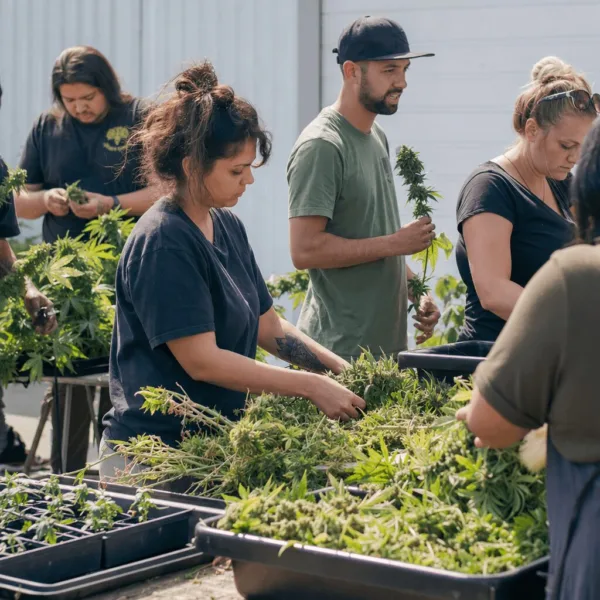



Mendocino cannabis tax elimination: What it means for the community
Right now, Mendocino cannabis tax elimination is making waves in California cannabis circles. As local growers and advocates have struggled with steep regulations and shrinking profits, the recent move to eliminate minimum taxes on cannabis in Mendocino County comes as a breath of fresh air. The topic matters more than ever with the broader state market in flux, small farmers under pressure, and the industry pushing for fairer policy. This article explores the latest county decision, the context behind it, its impacts, and what it could mean for the future of cannabis in the region. Expect direct facts, deep analysis, and a no-nonsense, pro-cannabis perspective that looks out for locals and consumers alike.
Background: Taxation and Survival in Mendocino’s Cannabis Market
Mendocino County’s place in California cannabis culture runs deep. As a heartland of legacy growers, it’s seen every boom, bust, and regulatory shakeup since Proposition 215 (“The Compassionate Use Act”) passed in 1996, paving the way for legal medical cannabis. Fast forward to today, and despite the promise of California’s 2016 adult-use legalization, small cultivators face real uphill battles. High state and local taxes, sometimes even when crops fail, have squeezed farmers into survival mode. Leafly reports that many counties rely on fixed-rate or minimum tax structures, often ignoring whether product was actually sold. Regulators at the California Department of Tax and Fee Administration (CDTFA) found that small operations often pay disproportionately compared to larger corporate farms. Socially, local growers argue these burdens threaten a whole way of life, not just their bottom line. Recently, a spike in illicit market activity has been linked to over-taxation and regulatory confusion, highlighting the broader impact of these rules on community safety and state revenue (The Recorder). For a deeper look at how local growers are adapting their business strategies and what future regulations may hold, check out this overview of evolving Mendocino cannabis tax policy. Mendocino cannabis tax elimination wasn’t just a reaction, it’s part of a national trend toward tax reform and fairer policy for cannabis businesses.
Key Developments: The Path to Mendocino Cannabis Tax Elimination
According to The Mendocino Voice, on May 7, 2026, the Mendocino County Board of Supervisors voted to eliminate the longstanding minimum tax on cannabis cultivators. The motion, passing with a strong majority, ends a policy that had required each permitted cannabis operator to pay annual taxes, regardless of crop success, sales, or weather disasters. The minimum was seen as unsustainable amid falling wholesale prices and crop failures from climate change. In the boardroom, local advocacy groups like the Mendocino Cannabis Alliance emphasized the damage these taxes caused, especially for legacy farmers. Supervisor John Haschak, a strong supporter of local growers, called for “common sense and empathy” to guide the board’s decision. The new policy shifts the focus to taxing only actual sales, dropping mandatory minimums, retroactive for the 2025 tax year. The County Auditor-Controller also acknowledged significant arrears and litigation over tax assessments, while public comments from small-scale farmers demanded fairness, transparency, and relief. This shift in Mendocino cannabis tax elimination mirrors wider California trends, as The Los Angeles Times has reported. For another perspective on the legal and industry impacts of these changes, read this report on how adult-use marijuana rescheduling is transforming law and daily life across the country.
Expert Analysis & Pro-Cannabis Counterpoints
The Mendocino cannabis tax elimination has received nods from industry leaders and analysts alike. By cutting minimums and tying taxes to real sales, Mendocino County is “giving oxygen to family growers who’ve been gasping under impossible burdens,” says Amber Senter, Executive Director of Supernova Women, quoted in a Filter Magazine discussion on state tax reform. This approach, experts agree, prioritizes equity and survival for a sector still haunted by years of criminalization. For many advocates, eliminating needless minimum taxes removes incentives for illegal cultivation and helps transition legacy cultivators into the regulated market. Data from the California Department of Food and Agriculture supports this logic: legal operators face steep costs that can drive some back to the underground. If you want to learn how new tax and business reforms are influencing cannabis business models in other areas of the industry, check out this in-depth overview of cannabis industry shifts and acquisitions. “We need smart taxes, not just taxes for taxes’ sake,” Senter adds. There’s humor in the irony, growers, known for adapting to every curveball from wildfires to wild regulations, now finally see the county cut them a break. But there’s also gravity, as both industry insiders and local officials see this as a lifeline for Mendocino’s unique culture. Cannabis advocates believe this move chips away at stigma, strengthens the local economy, and serves as a model for fairer cannabis policy statewide.
Looking Ahead: Mendocino, Tax Reform, and the Cannabis Industry’s Future
Mendocino cannabis tax elimination could be a turning point in Northern California’s cannabis saga—one marked by resilience, cultural depth, and grassroots advocacy. As more counties and states reconsider how (and how much) they tax legal cannabis, Mendocino’s decision might ignite a wave of policy shifts supporting legacy and small-scale growers. Industry analysts from WeedWeek suggest that steps like these improve business stability, keep economic benefits local, and drive innovation. Ultimately, moves toward tax fairness will boost legal market participation, reduce illicit trade, and foster a healthier relationship between cannabis and the communities that have championed it for decades. While challenges remain, Mendocino’s tax change is a sign of progress, hope, and respect for those who built California’s world-renowned cannabis industry from the ground up. Legal, regulated, and sane—this is the direction the community has hoped for, and it’s finally starting to become reality.
Originally reported by: mendovoice.com



2 Comments
Pingback: Minnesota psilocybin therapy legislation: What you need to know
Pingback: Arizona anti-marijuana campaign: Shocking End Revealed