





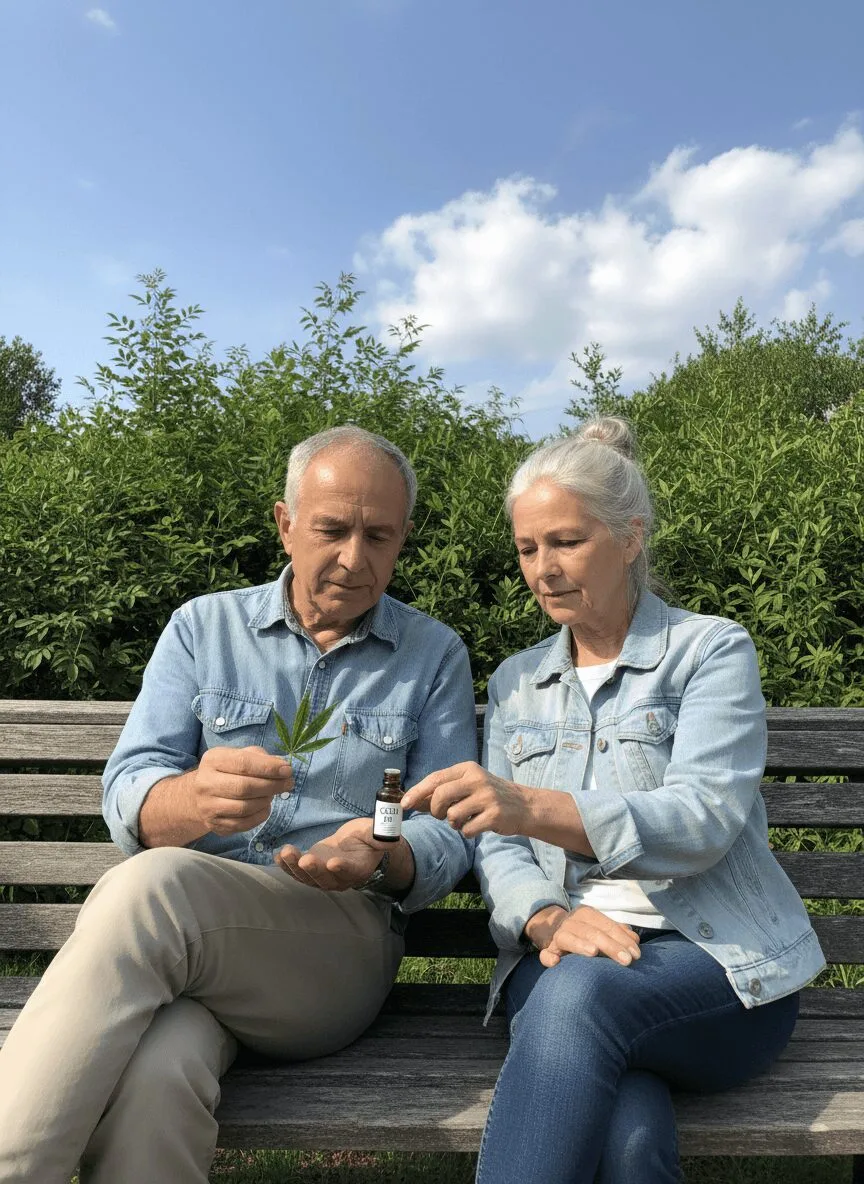
Medicare hemp pilot seniors: Will coverage for seniors change?
Right now, the conversation around hemp and CBD is heating up—which means big questions for older Americans. Seniors are among the fastest-growing user groups for hemp-derived products, turning to CBD for aches, anxiety, and a little peace of mind. But how does Medicare fit into the mix? Cue the Medicare hemp pilot seniors initiative—a hot-button test project lighting up headlines and putting senior healthcare back on the policy agenda. From shifting regulations to questions about coverage, the stakes couldn’t be higher for millions who want access to safe, affordable alternatives. Let’s break down why this pilot matters now, and what it might mean for the future of senior care.
Medicare, Hemp & Seniors: Regulatory Roots and Market Shifts
Understanding the Medicare hemp pilot seniors issue takes us straight to the intersection of federal policy and evolving market trends. For years, hemp, defined by law as cannabis with less than 0.3% THC, was banned alongside its psychoactive cousins. But the 2018 Farm Bill (Congress.gov: 2018 Farm Bill) changed everything, legalizing hemp and, by extension, products like CBD oil. This opened the floodgates for an entire wellness sector, with American seniors at the forefront. For instance, states such as Massachusetts have recently implemented bold reforms that reshape local cannabis policy, continuing the national trend of expanding access and updating regulations (state reform developments).
Socially, the stigma around cannabis is shrinking. Surveys from the Pew Research Center show seniors are warming up to medical cannabis, while healthcare providers are fielding more questions about CBD than ever. Still, Medicare, the nation’s leading health insurer for seniors, hasn’t budged on hemp or cannabis coverage, leaving older patients to pay out of pocket.
Inside the Medicare Hemp Pilot for Seniors: What’s Actually Changing?
Here’s where the Medicare hemp pilot seniors story gets interesting. According to Axios, the Centers for Medicare & Medicaid Services (CMS) quietly greenlit a limited pilot program to study the impact and safety of covering certain hemp-derived CBD products for seniors. The pilot was approved in early April 2026 and is rolling out first in select states with robust hemp markets, including California and Illinois.
The official CMS memo states the pilot will evaluate, over 12 months, whether the inclusion of CBD oils or capsules as a Medicare Part B benefit can reduce prescription costs, improve quality of life, and lower rates of opioid dependency. The trial isn’t a carte blanche for every hemp product on the shelf, only specific, FDA-monitored CBD preparations are included, and the number of participating healthcare providers is currently capped. Recently, ongoing debates about high-potency THC and state-by-state reform signal an environment where policy change is a constant, as seen with evolving high-THC guidelines (reform impacts).
Industry groups, like the U.S. Hemp Roundtable, quickly applauded the move, noting it’s the first time Medicare has seriously considered cannabinoids as an official treatment option for seniors. Critics, however, point to legal gray zones and the ongoing federal-state divide, since non-prescription CBD isn’t technically legal everywhere, despite local reforms (NORML: State Laws). Complexities around new testing protocols are also surfacing, similar to the changes implemented in the Maine cannabis market (state testing regulations).
Expert Insights: What the Medicare Hemp Pilot Seniors Initiative Really Means
The Medicare hemp pilot seniors initiative represents a seismic shift, according to industry analysts and veteran cannabis advocates. As Leafly notes, Medicare’s willingness to test coverage, even on a limited scale, signals growing mainstream acceptance and scientific legitimacy. This isn’t just policy theater, it’s about recognizing that seniors need more choices, especially at a time when prescription opioid concerns are front and center. The growing need for balanced drug policy reforms is also reflected in the impact of marijuana arrests on everyday communities, which continue to affect seniors and other vulnerable groups (social impacts).
Paul Armentano, Deputy Director of NORML, summed it up perfectly in a recent interview: “America’s seniors shouldn’t have to choose between wellness and legality. The Medicare hemp pilot for seniors is a smart, compassionate step toward modernizing healthcare for our aging population.” (NORML)
Market watchers expect ripple effects beyond just insurance coverage. If successful, the pilot could increase trust in hemp-derived products, encourage more rigorous research and open the doors for wider, safer access across demographic lines. It’s also pressuring the FDA to speed up official guidance on CBD’s medical use, something industry veterans have wanted since the dawn of the Farm Bill era.
Looking Ahead: Hemp, Senior Wellness, and the Next Steps for Medicare
The Medicare hemp pilot seniors project feels like more than just a blip on the radar. As social acceptance for cannabis-based wellness continues to rise—especially among seniors—the public and policymakers alike are rethinking old assumptions. Sure, there are challenges ahead, from regulatory dilemmas to ensuring product safety. But this pilot is proof that hemp and cannabis have moved from taboo to trial, with a shot at mainstream healthcare integration.
If momentum continues, we’ll likely see expanded research, more state-level pilots, and pressure for lasting federal reform. As noted by Pew Research Center, public support for medical cannabis—including hemp-based therapies—is at an all-time high, signaling a major culture shift. For Medicare users and the seniors who depend on it, the road isn’t without bumps—but the destination looks more promising with every new headline.
Originally reported by: axios.com

1 Comment
Pingback: Psychedelic Neural Fingerprint: Breakthrough in Brain Science