





Maine cannabis testing bill: What lawmakers might change
The Maine cannabis testing bill is generating serious buzz—rightfully so. As Maine’s cannabis scene matures, regulatory moves like these are shaping the future of both medical and recreational markets. Industry workers, everyday patients, and passionate growers are following these changes closely. Why? Because decisions made in Augusta could directly impact consumer safety, product consistency, and overall trust in cannabis products. Let’s break down what the Maine cannabis testing bill aims to do, why it’s on everyone’s mind right now, and how it could reset expectations for cannabis across the state.
How Maine Landed Here: Regulatory, Market, and Social Backstory
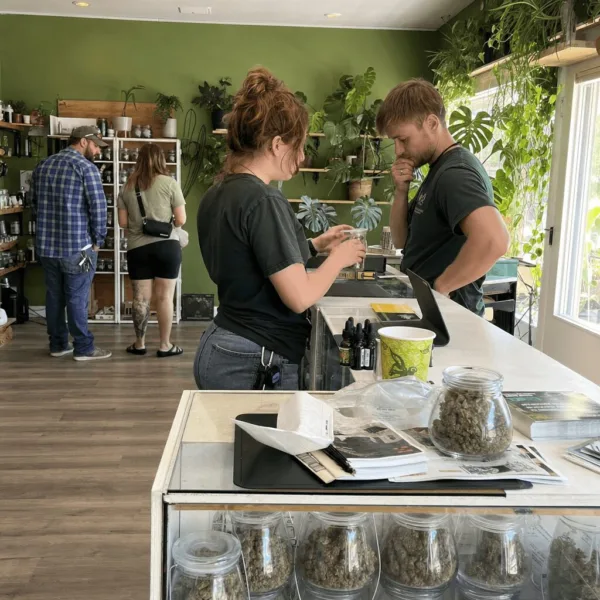
Maine has developed one of New England’s most robust medical cannabis communities, thanks to a culture deeply rooted in home growing and small businesses. But, compared with states like Massachusetts—which strictly mandate third-party lab tests—Maine’s approach has left medical cannabis untested before it hits dispensary shelves. Recreational producers in Maine already comply with mandatory lab checks (see Cannabis Control Commission guidance), but medical suppliers have operated on an honor system, relying heavily on growers’ reputations and tight-knit patient relationships. According to NORML, public demand for tested, transparent, and safe cannabis is at an all-time high as the legal market matures statewide. The topic of consequences for marijuana-related offenses has become more prominent as conversations around the Maine cannabis testing bill grow, and some advocates point to broad, real-life impacts seen when enforcement rises, as detailed in recent research about marijuana arrests and their effects. At the heart of the Maine cannabis testing bill is a core debate: Should medical products face the same rigorous standards as recreational, and what does that mean for cost, access, and equity?
What’s in the Maine Cannabis Testing Bill? Key Developments & Debates
Lawmakers in Augusta are considering an update to cannabis policy that could require all medical cannabis in Maine to undergo mandatory laboratory testing. As reported by Spectrum Local News in April 2026, current law allows medical cannabis producers to skip testing altogether, putting the state out of step with the majority of legal markets. The new Maine cannabis testing bill proposes that all medical cannabis, including flower, concentrates, and edibles, be screened for contaminants like mold, heavy metals, pesticides, and potency verification—similar to existing rules for recreational weed. This measure isn’t coming quietly. The legislative committee heard strong opposition from small-scale caregivers worried about testing affordability and a potential bottleneck in lab capacity. Still, proponents believe these reforms are crucial, referencing a recent industry analysis by Marijuana Moment, which found that product recalls and patient complaints have increased where labs aren’t consistently used. There has been much talk about broader regulatory shifts affecting the cannabis industry nationwide, especially where local votes or policy changes mirror what is unfolding in other states’ dispensary planning rules. The state’s Department of Health and Human Services would oversee implementation, with final votes expected later this legislative session. The Maine cannabis testing bill could roll out as early as next year if signed into law.
Expert Analysis and Pro-Cannabis Perspective
This isn’t just a paper-pushing formality, it’s a turning point for trust and safety in Maine’s cannabis supply. Veteran cannabis consultant Jamie Pearson summed up the mood in a Leafly analysis: “Testing is consumer protection. But good laws also protect small businesses and local culture.” She’s not wrong. States like Oregon and Colorado have proven that scalable, fair testing can weed out bad actors without crushing homegrown players (New Cannabis Ventures). Many labs, for example, offer batch discounts for artisan growers. Another important debate centers around how regulations around THC limits are influencing the evolving landscape in places with recent high-THC policy shifts, mirroring broader national policy debates on marijuana potency and reform. A key takeaway from the Maine cannabis testing bill debate is balancing rigorous safety with flexible regulations that don’t shut out legacy caregivers. The state’s robust patient advocacy community, backed by groups like Wellness Connection Maine, argues that education and phased funding support would help everyone transition smoothly. It’s not just about protecting today’s consumers, but about helping local passion projects thrive in tomorrow’s cannabis economy.
What’s Next for Maine’s Cannabis? Future Outlook & Conclusion
The Maine cannabis testing bill represents a new chapter for transparency and trust in the Pine Tree State. Regardless of how compromise is struck, increased attention on public health and product quality signals positive momentum for all—but especially for patients. States nationwide are moving closer to uniform product safety standards, and Maine’s discussion puts local voices and equitable solutions front and center. Industry analysts at Cannabis Business Times point to Maine’s ability to serve as a model for balancing regulation and tradition. While testing rules may raise growing pains, the overall direction is clear: patient safety, consumer confidence, and market credibility will only get stronger. As Maine carves out its unique position, expect fresh opportunities for growers, patients, and advocates statewide. The future is bright—and a little greener—with every smart step forward.
Originally reported by: spectrumlocalnews.com


1 Comment
Pingback: Massachusetts cannabis reform: Lawmakers Strike Breakthrough Deal