


Massachusetts Cannabis Social Use: Big Changes Ahead?
Let’s be honest: if you care about cannabis culture and policy, you’re watching Massachusetts closely right now. Massachusetts cannabis social use is on the brink of something big, with proposals for new social consumption rules making headlines across the state. As cannabis lounges, tasting rooms, and public use debates heat up, everyone from seasoned operators to first-time consumers wants to know—what’s next for social use in the Bay State? This article gives you the lowdown, from new rule drafts to what’s at stake for the entire industry. Grab your favorite strain, and let’s break it down.
Regulatory History & The Social Landscape of Cannabis in Massachusetts
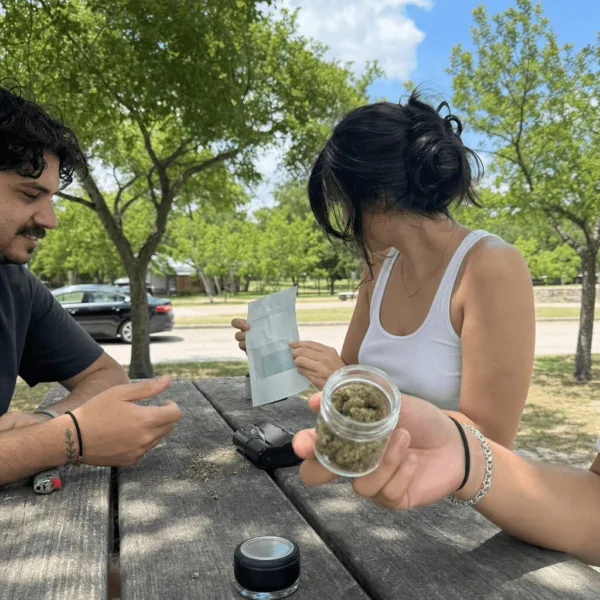
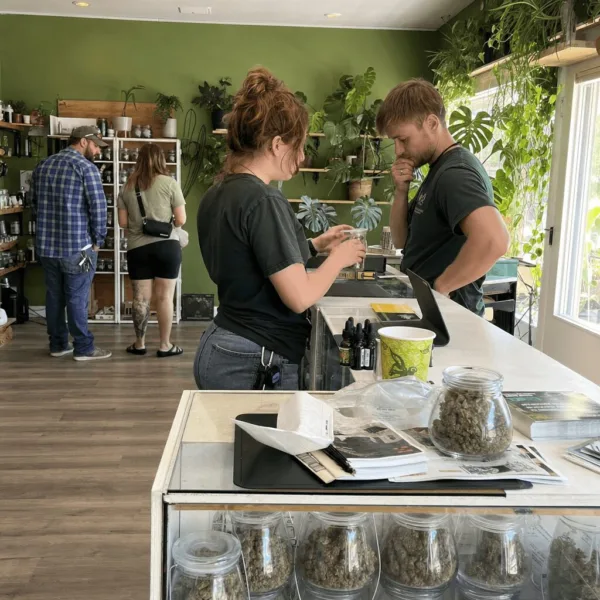
Massachusetts has always walked a fine line in the cannabis conversation. Since legalizing recreational cannabis back in 2016, the state established a regulated retail system under the Massachusetts Cannabis Control Commission (Cannabis Control Commission). Yet, despite thriving sales, Massachusetts saw over $1.8 billion in legal cannabis sales last year according to Marijuana Moment, but social consumption has remained a regulatory gray area. What does that mean? Basically, you can buy weed, but finding a legal, public, and social spot to enjoy it with friends is tricky business. Under current law, most consumption is restricted to private residences. Cannabis lounges, similar to those that have spurred debate after tragic incidents and renewed discussion about the need for safer, regulated spaces (such as the Lawrenceville tragedy reshaping the cannabis debate), have stayed just out of reach, frustrating both entrepreneurs and advocates. Community leaders, business groups, and consumers have all pushed for changes, emphasizing safe alternatives to risky, underground consumption and supporting cross-industry economic growth. With competitors like Illinois and Colorado already testing social use, Massachusetts knows it’s late to the sesh. Regulators now face growing pressure to modernize. Institutional voices, including the Massachusetts Municipal Association and state legislators, say change is overdue (MMA).
Key Developments: Draft Rules for Massachusetts Cannabis Social Use Take Shape
Just this month, the Massachusetts Cannabis Control Commission (CCC) announced that draft regulations for social cannabis use are finally on the table. Published in early June, the new rules outline how and where adults could legally use cannabis products in designated venues—think lounges, cafes, and events. According to WWLP News, these proposals would allow local municipalities to opt-in, granting them authority to approve or deny applications based on community standards. Licenses would only be available to businesses meeting strict requirements on ventilation, public safety, and responsible service. Recently opened venues in other states, such as those shaping the local landscape in places like Ohio, highlight how early adopters like the first recreational marijuana shops can usher in a new era for the cannabis industry. Proposed venues can’t sell alcohol, must provide plenty of food options, and need plans for safe transportation. While no venues are green-lit yet, several pioneering companies—like Treehouse Craft Cannabis and Western Front—have signaled they’re preparing for the chance to apply. Draft rules include detailed codes for air filtration and the handling of vapor products and edibles, plus emphasis on staff training and anti-impaired driving education. A formal public comment period runs through mid-July, with open meetings hosted by the CCC for input from all sides. CCC Chair Shannon O’Brien has said, “We want to get this right from the start. Our communities expect us to be both innovative and responsible.” Currently, only a handful of other states—Nevada, California, and Colorado—have carved out legal social consumption zones, making Massachusetts cannabis social use a national test case. Updates and further feedback will shape the final draft before it heads for a regulatory vote later this year.
Expert Insights: Navigating Innovation and Social Responsibility
These moves in Massachusetts cannabis social use are a long time coming, not just for fun but for public health and equity. Legal scholars at Boston University and cannabis advocates have said opening safe, well-regulated venues is essential for community well-being (Boston University analysis). Leaders highlight how well-run lounges offer alternatives to illicit indoor use and help drive local economic development, especially in communities still recovering from outdated ‘war on drugs’ policies. Recent research has also pointed to the broader effects that adolescent THC exposure can have, underlining the crucial role of responsible, regulated environments. Social use venues hold particular promise for equity applicants—the same entrepreneurs disadvantaged by past cannabis prohibitions. “Social consumption is more than a business opportunity,” said Shaleen Title, founding member of the Cannabis Regulators of Color, in an interview with Filter Magazine. It’s a chance to redefine who gets to participate in and shape cannabis culture from the ground up.” Concerns remain: opponents warn about the risks of impaired driving and impacts on families, while businesses worry about insurance, compliance, and public opposition. But as the National Organization for the Reform of Marijuana Laws (NORML) and Harvard School of Public Health both report, data from other states shows responsible rules and real education can make public use both safe and positive for communities. The trend is clear: social use is part of modern legalization’s next act.
The Road Ahead for Massachusetts Cannabis Social Use
Let’s be real: this isn’t just about Massachusetts. The nation is watching how the Bay State handles social cannabis use in practice. If draft rules pass, Massachusetts cannabis social use will shift from theory to reality—and with it, open the door for new businesses, smarter regulations, and deeper social acceptance. Expect a wave of innovation, from new social concepts to local entrepreneurship and tourism, with experts predicting a major bump for equitable participation and community investment (Leafly Politics). Yes, challenges will surface (when hasn’t progress faced a few clouds?), but Massachusetts is positioned to be a leader in responsible, thriving social cannabis space. For now, pack your patience—but keep your eyes on the horizon. Major moves for Massachusetts cannabis social use are closer than ever, promising a greener, more inclusive future for all who believe in freedom, safety, and community.
Originally reported by: wwlp.com