

Inside the Marijuana Grow Site Sequoia Rangers Just Raided
If you want to understand the evolving world of cannabis in California, look no further than the latest enforcement action at a marijuana grow site Sequoia. Raids like this highlight the tug-of-war between legalization, environmental impact, and the thriving shadow market. As authorities intensify crackdowns and the legal industry fights for its space, the marijuana grow site Sequoia story is a revealing snapshot of cannabis’s current crossroads. Let’s unpack what happened and why it matters now more than ever.
The Regulatory Backdrop: Legalization, Enforcement, and Shadow Markets
Since California legalized adult-use cannabis in 2016, the landscape around marijuana grow site Sequoia and across the state has been in near-constant flux. Regulation aims to boost tax revenues, ensure safe access, and curb illicit grows, yet unlicensed cultivation persists, especially in remote wilderness areas like Sequoia, where dense forests and rugged terrain make enforcement tricky. According to the California Department of Cannabis Control, unlicensed grows divert water, use banned pesticides, and harm protected ecosystems. Environmental advocacy groups such as Save the Redwoods League have pushed for stronger protections, noting the lasting impact these sites leave on California’s ancient forests. At the same time, ongoing market dynamics contribute to the challenges for dispensaries and cultivators—particularly when local licensing changes occur, such as with recent cannabis licensing wins in new regions—complicating the regulatory push for full market legitimacy.
Explosive Raid at Marijuana Grow Site Sequoia: Core Facts & Developments
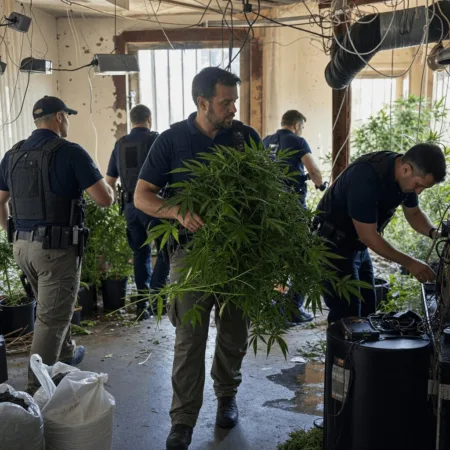
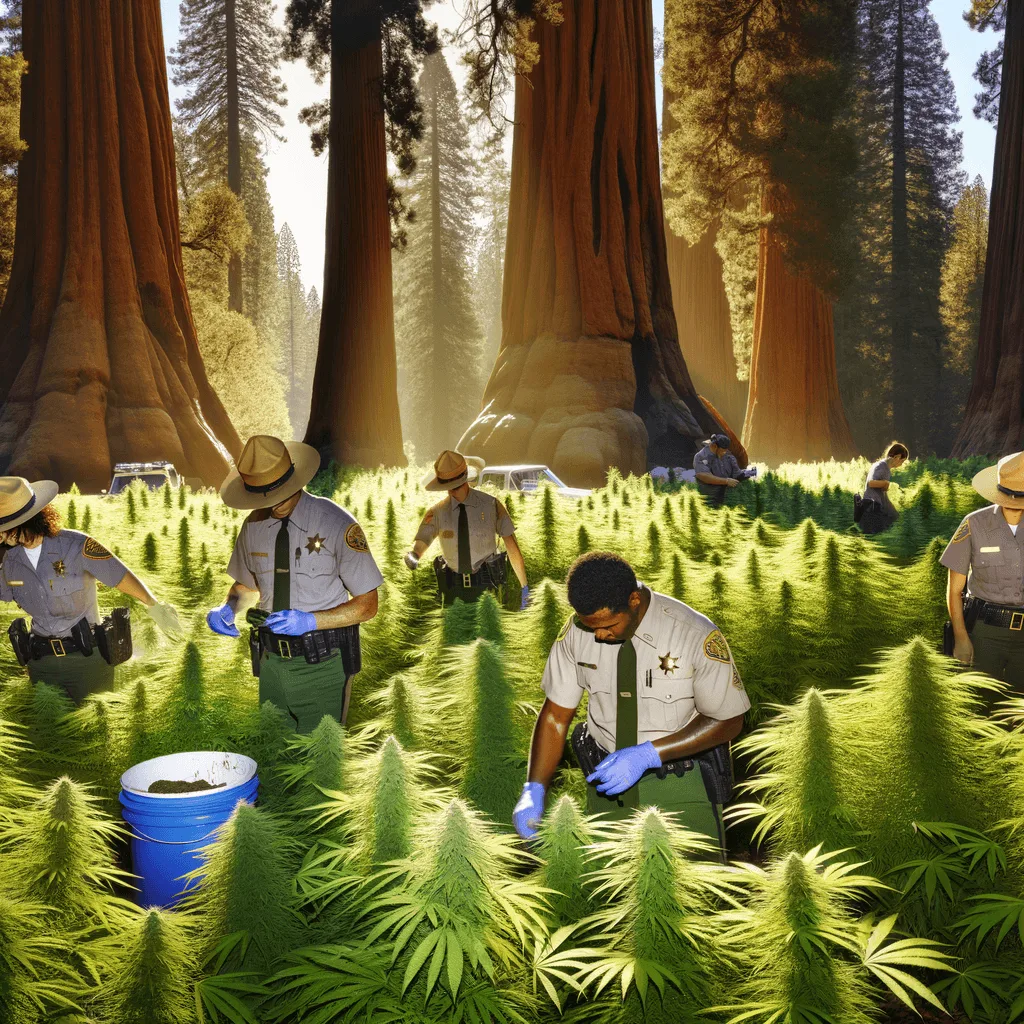
This week, federal rangers and state officials conducted a high-profile raid on a massive marijuana grow site Sequoia nestled deep within Sequoia National Park, as reported by San Francisco Chronicle. On June 3, 2024, Sequoia rangers acting under the U.S. Forest Service teamed with local sheriffs, targeting over 11,000 illicit plants sprawling across a protected watershed. Authorities discovered makeshift campsites, extensive irrigation tubing siphoning creek water, and assorted pesticides, many of them banned nationally. They also located chemical contamination and tons of waste left behind. While no large cannabis enterprise names, like those operating on the legal side, were cited in this specific raid, Park officials indicated the involvement of organized criminal groups with ties to wider state and interstate trafficking rings. The raid’s timing followed a spate of similar enforcement actions around Central California, all part of an intensifying federal focus on combating illegal cultivation within national parks. These enforcement efforts happen amid wider legal developments, such as ongoing debates about federal rescheduling—something covered in detail in discussions following recent federal decisions on cannabis rescheduling. According to recent park service filings, this site represented one of the largest marijuana grow site Sequoia seizures in over a decade.
Expert Analysis: What the Raid Means for Cannabis—and Why It’s Complicated
The marijuana grow site Sequoia raid tells us much about California’s cannabis paradox. Despite legal reforms, high taxes and red tape discourage many growers from operating above board—a point echoed by industry experts. As MJBizDaily notes, the state’s illicit market is still estimated at twice the size of the legal one. Environmental impacts are undeniably serious; illicit grows in wilderness areas threaten fish, wildlife, and even drinking water for local communities. Still, heavy-handed crackdowns only partially address the core issue. “If legal cannabis were more accessible, the incentive for illegal grows would plummet,” said Amanda Reiman, public policy lead at the International Cannabis Farmers Association, in a recent Leafly interview. “Real solutions require better legal access, lower taxes, and practical licensing reforms.” For some, better access might even depend on specialized education, as seen with the rise of programs like online cannabis cultivation schools helping to reshape the industry. For the cannabis community, these stories are bittersweet, proof that progress is real, but the journey remains winding and complex.
The Road Ahead: Cannabis Reform and Hope for Marijuana Grow Site Sequoia
Ultimately, the marijuana grow site Sequoia saga stands as a cautionary tale and a signpost for reform. As California’s legal framework matures, state leaders and industry stakeholders are pushing for smarter regulations and balanced enforcement. Recent proposals from the California Cannabis Advisory Committee recommend streamlining licenses and lowering burdensome fees—aims that could shrink the illicit market and help legit businesses thrive. Public attitudes are changing, too: according to recent Pew Research Center polls, acceptance of legal cannabis is at an all-time high. With continued advocacy, responsible policy, and a dash of that classic California spirit, the industry looks poised for a future where marijuana grow site Sequoia becomes just one chapter in a larger success story for legal cannabis nationwide.
Originally reported by: sfchronicle.com