





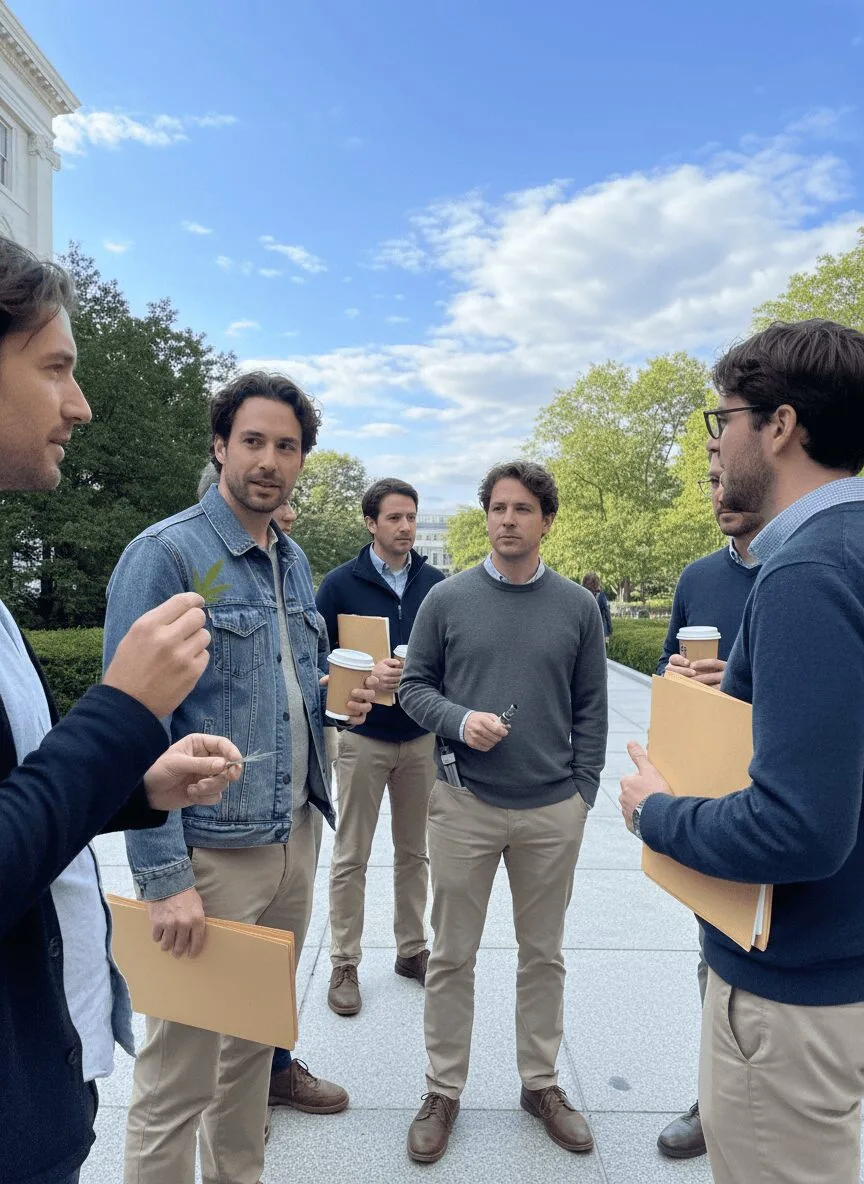
Massachusetts cannabis legislation: Lawmakers React to Ballot Moves
Massachusetts cannabis legislation is again making headlines—this time, the stakes are sky-high. As voters eye significant ballot measures and lawmakers rally on the steps of power, fresh debate is heating up. Why does it matter right now? With national momentum for cannabis reform and state-level polls showing shifting public support, every development in Massachusetts could set a new benchmark for New England. In this article, you’ll get a clear breakdown of the legal tug-of-war, who’s really driving the conversation, and what this all means for the future of cannabis in the Bay State.
Understanding the Landscape: The Massachusetts Cannabis Legislation Journey
To truly get why Massachusetts cannabis legislation matters, it helps to zoom out. Back in 2016, Massachusetts broke new ground by legalizing recreational use (Massachusetts.gov). The market exploded, raking in more than $4 billion since retail began, and boasting some of the country’s strictest testing and equity rules. But regulatory hurdles persist, including municipal moratoriums, market consolidation, and ongoing criminal record expungement delays keep the scene tense (Marijuana Policy Project). Social equity questions and legacy operator inclusion remain central. Voters and legislators stand at a crossroads: do stricter laws return, or does the market open even wider? This dynamic is echoed in other regions where regulatory uncertainty over cannabis has also placed significant pressure on local businesses, such as in Grand Rapids, underscoring how city-level politics can shape broader state reform.
Key Developments: Ballot Tensions and Legislator Pushback
The latest flashpoint in Massachusetts cannabis legislation is a fresh ballot initiative with prohibitionist overtones. As reported by Foley Hoag’s Cannabis and the Law Blog, several lawmakers have voiced skepticism over efforts to roll back previously enacted reforms. At the heart of the matter, a newly submitted initiative petition proposes reversing retail permissions and dialing restrictions back to medical use or stricter local controls. Legislative leadership, including House and Senate committee members, have publicly challenged the proposal, labeling it ‘out of sync with Massachusetts values’ and warning it could destabilize the thriving market. The ballot’s timeline aligns with an election year, amplifying tensions among advocacy groups and municipal officials who’ve invested in local businesses. Meanwhile, markets like Boston and Worcester have seen a surge in consumer sales, as detailed by recent industry reports, making any rollback especially contentious. A similar challenge can be seen in Georgia, where evolving restrictions and the ongoing synthetic hemp ban spark debate about access and local authority.
Expert Take: The Highs, Lows, and Reality Checks
Industry voices are not mincing words about what’s at stake with Massachusetts cannabis legislation. According to Marijuana Moment and numerous legal experts, rolling back market permissions could have widespread repercussions, not just for businesses, but for social equity progress. Meg Sanders, a prominent Massachusetts-based cannabis entrepreneur, puts it bluntly, “Any move to reverse legalization would cause economic shockwaves, undermine public safety protocols, and erode hard-won social justice gains.” This view is echoed by NORML, which highlighted in a recent update that ‘Massachusetts cannabis legislation serves as a model for national reform,’ and that regressive policies will only increase illicit market activity. The consensus, backtracking is not only impractical but likely impossible given the embedded economic and social structures now in place. Yet, the debate over potency limits, taxation tweaks, and community reinvestment obligations continues, all part of refining a rapidly evolving regulatory ecosystem. These types of policy shifts are echoed across state lines as other jurisdictions—such as Maine, now lauded for implementing sustainability standards in cannabis cultivation—adapt and refine their own approaches to cannabis reform and market growth.
What’s Next? Growth, Acceptance, and the Future of Cannabis in Massachusetts
Despite the bumps, Massachusetts cannabis legislation continues setting the bar for thoughtful reform. While ballot proposals may test the resolve of lawmakers and advocates, the overall trajectory leans strongly toward expansion, refinement, and normalization. Social acceptance is at an all-time high, and regulatory bodies indicate that ongoing adjustments remain likely—mostly to strengthen equity and consumer protection (Community Resources for Justice). In short, Massachusetts isn’t just reacting to cannabis changes—it’s driving them. With vigilance and grassroots advocacy, the Bay State’s industry looks primed for another decade of growth and leadership in legal cannabis.
Originally reported by: foleyhoag.com



1 Comment
Pingback: Marijuana Smuggling MIA: Busted Before London Flight!