






Sustainable Cannabis Cultivation: How Paul’s Boutique Sets the Standard
There’s never been a hotter moment for green practices in cannabis. As eco-minded consumers and new regulations shape the market, sustainable cannabis cultivation isn’t just a buzzword—it’s defining this generation of Maine cultivators. From environmental impact to employee wellbeing, Paul’s Boutique is living proof that doing things right can grow both premium bud and a thriving workplace. Here’s how their story offers a blueprint for anyone aiming higher in today’s fast-changing world.
Maine’s Green Revolution: Regulatory, Market, and Social Context
Fueled by shifting public sentiment and progressive state policy, Maine’s cannabis landscape has become a test case for sustainable cannabis cultivation. The state embraced adult-use legalization in 2016, but what set it apart is the Office of Cannabis Policy’s focus on environmental compliance. As climate impacts increase, local and national regulations are now rewarding eco-forward practices, optimizing water usage, investing in renewable energy, and emphasizing organic pest management. Socially, the stigma has dropped, and according to Pew Research, a strong majority of Americans back legalization, generating more supportive ground for operations like Paul’s Boutique to lead by example on sustainability. The experience in Maine aligns with wider regulatory shifts, similar to how the Texas THC smokable ban has driven change and adaptation among cultivators in another state.
Paul’s Boutique: Raising the Bar for Sustainable Cannabis Cultivation
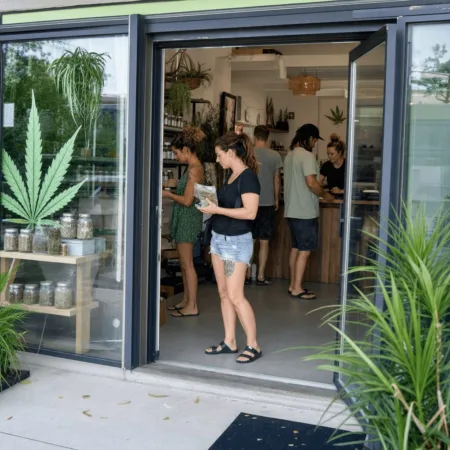
In 2026, Paul’s Boutique grabbed headlines by being named a top cannabis workplace in Maine, but their real story is rooted in sustainable cannabis cultivation. According to Cannabis Business Times, their operation is thriving because of innovative ecofriendly methods and strong team values. Organic soil mixes, reusable pots, and efficient LED lighting have helped reduce both energy bills and landfill waste. Employees, sporting denim and neutrals, tend to healthy crops under natural daylight, avoiding the old industrial growhouse gloom. Staff are empowered to suggest new eco-initiatives and cross-training ensures plant health and resource conservation. Local regulators have observed that Paul’s Boutique’s open-door policy with state inspectors consistently exceeds Maine’s green compliance requirements as outlined by the Maine Office of Cannabis Policy. By keeping standards high, they’ve also contributed to the conversation about workplace culture in cannabis, following the example of transparency and reform seen in places like recent Jacksonville police actions related to marijuana arrests.
Industry Insights and Pro-Cannabis Analysis
Sustainable cannabis cultivation goes far beyond a simple marketing claim, it offers a real strategic business advantage in today’s evolving market. With energy and fertilizer costs on the rise, smart growers are searching for ways to minimize waste and strengthen their long-term outlook. Leafly’s expert reports note that straightforward adjustments in irrigation methods, composting, and power sourcing can drastically reduce expenses and keep growers compliant with tough eco-regulations. As cannabis thought leader Amanda Reiman expressed to Forbes, “Sustainability in cannabis cultivation isn’t just the right thing to do, it’s how we survive and outlast big-agriculture competitors.” Studies on workplace culture (see MJBizDaily) indicate that companies that lead in eco-friendly practices tend to attract and retain the best talent. Holistic thinking is setting gold standards across the sector, similar to global discussions about safe patient care in the industry as ongoing debates over UK cannabis clinic regulation show.
The Future: High Hopes for Sustainable Cannabis Cultivation
The path paved by Paul’s Boutique signals a tidal shift toward sustainability in cannabis, not just in Maine but far beyond. As more states update their regs and conscious consumers demand transparency, companies pioneering sustainable cannabis cultivation will shape the market. According to leading insights from Headset, demand for eco-certified flower grew by over 23% in the past year alone. That’s proof positive this movement isn’t slowing down. Expect to see continued investment in green tech, tighter partnerships with regulators, and a shift toward regenerative practices across the board. For those who care about people, the planet, and legendary flower, the future remains bright green.
Originally reported by: cannabisbusinesstimes.com

2 Comments
Pingback: Shocking Marijuana Traffic Stop Pennsylvania: What Really Happened?
Pingback: Grand Rapids cannabis program controversy: What businesses say