Marijuana vs Hemp: Key Differences, Benefits, and Facts
If there’s one debate sparking up real talk in the cannabis community and popping up on the legal radar, it’s the evolving conversation around marijuana vs hemp. As the lines blur between wellness, agriculture, and the law, both consumers and policymakers are asking: Why are these two plants, so genetically similar, still so legally divided? The recent policy developments and market shifts mean this is more than a semantics issue—it’s about access, fairness, and the future of cannabis as a whole. Let’s unpack the facts and discover why the marijuana vs hemp showdown is more relevant than ever before.
Understanding the Marijuana vs Hemp Divide: Regulatory, Social Backdrop
Marijuana vs hemp: two plants, one tangled history. Their legal separation stretches back to the Marihuana Tax Act of 1937, when fear-driven legislation lumped all forms of cannabis together, ignoring real scientific differences. Decades later, the 2018 Farm Bill distinguished hemp, defined federally as cannabis with less than 0.3% THC, from its psychoactive sibling, marijuana. According to NORML’s legal breakdown, this change unlocked hemp’s rise in CBD wellness and sustainable products, but kept marijuana tightly restricted due to federal Schedule I status.
Socially, hemp rides a wave of eco-chic trendiness while marijuana still battles outdated stigma. In practice, law enforcement splits, business licensing hurdles, and persistent consumer confusion remain. The National Conference of State Legislatures shows patchwork laws across states, where hemp and marijuana sometimes share a field, but never the same regulatory fate. Recent local policy discussions, like how some recreational cannabis bans could cost municipalities millions, illustrate the real-world impact—a topic explored in Falmouth’s approach to banning recreational cannabis. With new studies and advocacy, the industry pushes for a unified policy, emphasizing science over fear.
Key Developments: Legal Battles, Market Moves, and High-Stakes Issues
The heart of the current debate comes from an insightful op-ed reported by Marijuana Moment. The article highlights how policies that favor hemp, while maintaining harsh restrictions on marijuana, are outdated in light of modern cannabis research. The author calls out the paradox: we champion hemp for wellness, yet criminalize marijuana users and cultivators for the same plant family.
Recent moves in Congress consider proposals to raise the legal THC threshold for hemp, acknowledging minor cannabinoids like delta-8-THC that currently ride legal gray areas. Leading brands and advocacy groups are urging lawmakers, via public testimony and lobbying (Cannabis Business Times), to embrace a science-based, plant-wide regulatory framework that keeps pace with state-level changes such as those found in the latest California marijuana regulations.
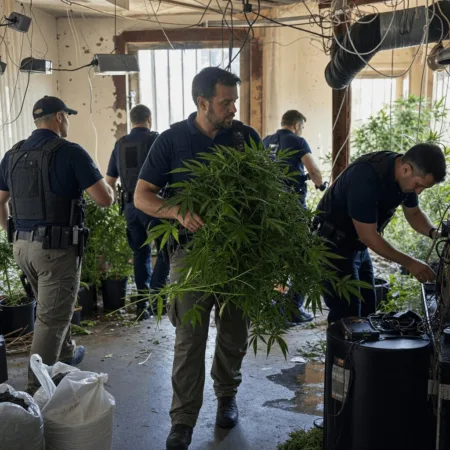
Legal specifics vary wildly. According to Leafly’s 2023 analysis, multiple states have raided hemp businesses for “hot” plants that test even slightly above 0.3% THC. Meanwhile, marijuana operators face mountains of red tape and higher fees. This results in disjointed markets, enforcement headaches, and unequal access for consumers and patients—a scenario echoed in Ohio where courts have weighed in on the local hemp market, as discussed in the recent Ohio intoxicating hemp ban legal challenge. The need for clear, uniform rules, aligned with modern cannabis science, is more urgent than ever.
Expert Insights: Why One Plant, One Rule Makes Sense
Anyone living and breathing the cannabis biz knows the marijuana vs hemp divide is more about politics than plants. Cannabis experts routinely argue for unified, transparent standards to protect both consumers and entrepreneurs. As Health Europa reported, Dr. Ethan Russo asserts, “The continued bifurcation of hemp and marijuana is artificial and unsupported by botanical science.”
Industry leaders point out that inconsistent policy hurts everyone: farmers can’t invest confidently, retailers navigate confusion, and consumers face unpredictable access and quality. For example, cross-state marijuana retailing creates risks and rewards, with businesses analyzing barriers at state borders, as seen with recent market trends in how marijuana retailers eye state lines. The wild west of hemp-derived cannabinoids such as delta-8 highlights why we need testing, transparency, and labeling regardless of arbitrary THC cutoffs. Responsible, equitable cannabis laws must acknowledge both tradition and innovation.
From eco-friendly building materials to therapeutic extracts and artisan flower, the cannabis plant’s potential shouldn’t be boxed in by legacy fears. If anything, the surging interest in functional cannabinoids, sustainable hemp, and high-tech cultivation only add urgency for reform.
Looking Forward: Bridging the Gap for a United Cannabis Future
As the national conversation on marijuana vs hemp heats up, industry momentum and bipartisan support suggest change is in the air. Policymakers are starting to listen, with major states eyeing reforms that bring parity and science into their cannabis laws. MJBizDaily reports rising investment in both sectors, while consumer polls show record support for legal reform.
A future with smarter, unified cannabis policy is not only achievable—it’s overdue. Industry voices, scientific research, and patient advocacy are converging on one message: a vibrant, equitable cannabis industry requires fair, modern, and logical laws for both marijuana and hemp. The evolution of cannabis is happening—one rule, one plant, one opportunity for all. Stay tuned and stay informed; the best is yet to come.
Originally reported by: marijuanamoment.net