





Marijuana Retailers State Borders: Risks & Rewards Revealed
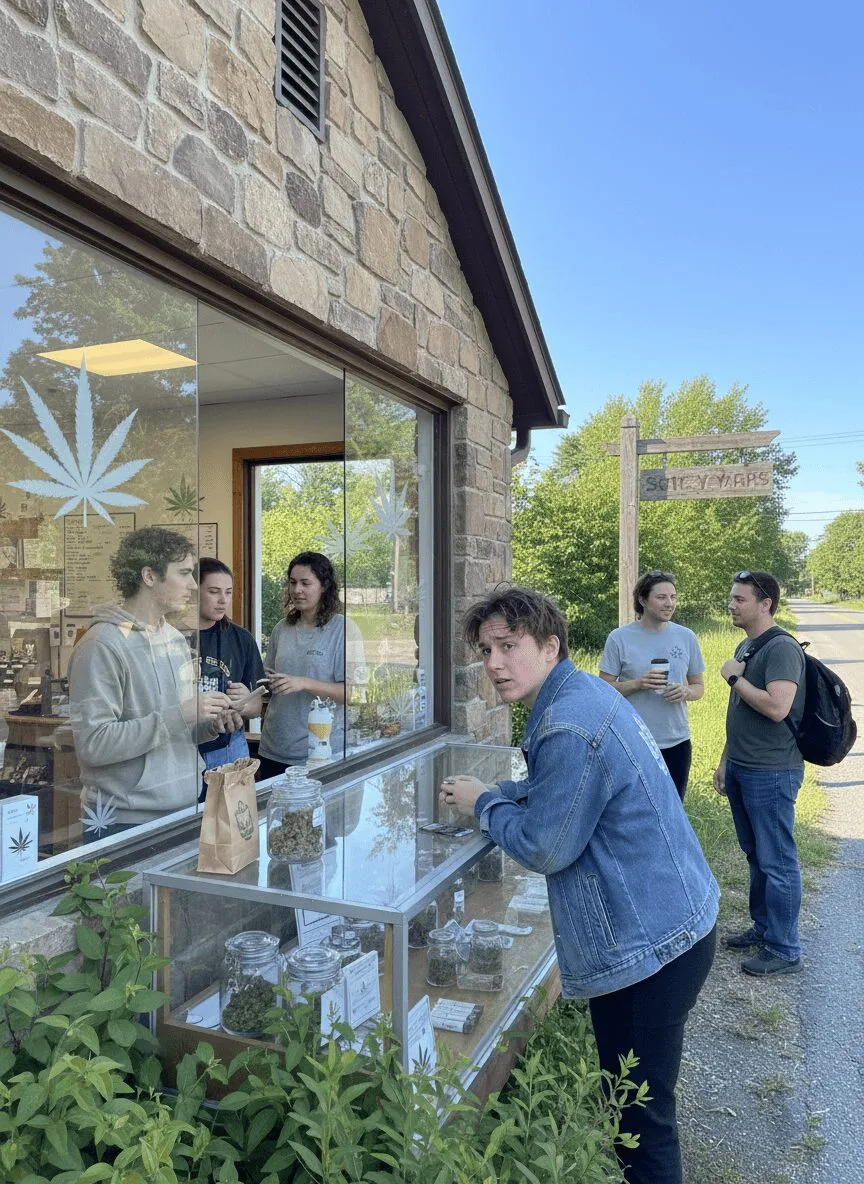
If you keep your finger on the cannabis pulse, you already know the action at state lines is wild right now. “Marijuana retailers state borders” isn’t just a headline—it’s the beating heart of today’s weed industry debates. With new rules, shifting regulators, and growing customer traffic across border towns, dispensary owners and customers alike are figuring out whether this trend is made of gold or built atop legal quicksand. Let’s spark up a conversation about why “marijuana retailers state borders” matter more than ever, and what everyone from budtenders to policymakers needs to pay attention to right now.
Background: Why Are State Borders a Hotspot for Marijuana Retailers?
Cannabis is legal, or at least regulated, differently in nearly every state. States like Colorado, Nevada, and Illinois have created a patchwork of adult-use and medical laws, meaning communities on the edge often see unique challenges and opportunities. According to Pew Research Center, this patchwork has led to thriving “border economies” where retailers cluster close to state lines to serve out-of-state customers. While this boosts business, it also invites risk: every transaction faces layers of scrutiny, and local authorities pay extra attention to stores seeing a rush from neighboring prohibition states. The recent movement behind medical marijuana petitions breaking records and igniting statewide buzz in neighboring prohibition states illustrates why towns bordering more permissive regions are increasingly in the spotlight.
Marijuana retailers state borders face a constant balancing act. Law enforcement in prohibition states is quick to monitor vehicles with out-of-state dispensary packaging. Meanwhile, regulators in legal states sometimes crack down on retailers suspected of deliberately targeting non-residents, referencing clauses in their licensing regulations designed to curb diversion across borders. The market’s volatility is further fueled by shifting federal stances on cannabis transportation and banking, frequently debated and shifting between tolerance and caution according to MJBizDaily reports.
Key Developments: The Ongoing Drama at Marijuana Retailers State Borders
Recently, a wave of headlines has thrown laser focus on one growing trend: marijuana retailers state borders zone are rapidly becoming battlegrounds for both booming profits and legal headaches. According to industry news from MJBizDaily, dispensaries in Illinois towns like Sauget and South Beloit routinely see 60-70% of their customers driving in from neighboring states where cannabis remains off-limits or just quietly decriminalized at best. As border traffic jumps, Illinois regulators, for example, have stepped up compliance checks starting early 2024, issuing formal reminders to retailers not to advertise directly to out-of-state residents. As states continue to experiment with recreational cannabis bans, policy reviews such as the one in Falmouth highlight how local decisions could cost millions in tax revenue and shape cross-border business dynamics.
Things heated up in late April 2024, when several Missouri and Illinois dispensaries received official warnings about parking-lot safety, with law enforcement citing an uptick in break-ins reportedly targeting vehicles sporting dispensary logos. On the economic side, sales numbers show huge revenue spikes: retail shops in border zones captured more than $110 million in Q1 2024 alone, according to Chicago Tribune coverage. Meanwhile, market watchdogs in Indiana, Wisconsin, and Kentucky have issued consumer alerts about the risks of bringing legal products over state lines. All of this points to one reality: retailers on the border face both monumental opportunity and unique compliance challenges in today’s cannabis landscape.
Expert Analysis & Pro-Cannabis Counterpoints
So what’s an experienced cannabis advocate to make of all this? First, let’s get real: the risks facing marijuana retailers state borders are genuine, but so are the rewards for playing it smart. Industry observers like Leafly point out that cross-border sales help drive development in small towns that might otherwise languish. “When dispensaries open at state borders, they breathe new life into local economies,” says cannabis retail consultant Jamie Stefani. “But they need to double down on compliance and prioritize transparency with both customers and state regulators.” For states considering their own policies, such as the ongoing delays impacting Virginia marijuana retail sales and legislative outcomes, the experiences of border retailers offer key lessons. Expert voices agree: draconian crackdowns rarely solve cross-state movement—they just turn willing customers into accidental criminals. Instead, states could adopt best-practices legislation, create shared data schemes, or collaborate on public education. As MJBizDaily’s industry reports highlight, creative approaches can safeguard both market growth and community trust, all while reducing unnecessary legal exposure. The cannabis community sees this as a call for practical, forward-thinking regulation rather than retro policing of modern adults acting in good faith.
Looking Ahead: A Greener Future for Marijuana Retailers State Borders
Here’s the good news: the story of marijuana retailers state borders is still being written, and there’s every reason to think it ends well. With growing pressure on legislators to harmonize cannabis policy—and more states moving closer to reform—border dynamics will eventually normalize. As border towns continue to benefit from cannabis taxes, policymakers are starting to realize that measured, cooperative regulation serves everyone. According to projections from New Frontier Data, the U.S. legal market is on pace to pass $40 billion in sales this year, with border zones catalyzing much of that growth.
So, whether you’re a retailer, consumer, or just cheering from the sidelines, keep your eyes on marijuana retailers state borders. The risks are real—but so are the rewards, and with smart policy and industry advocacy, this trend promises to fuel more progress. The intersection of local opportunity and federal reform is closer than it looks—and it’s high time we make the most of it.
Originally reported by: mjbizdaily.com


1 Comment
Pingback: California marijuana laws 2024: What you must know now